
 Pin It
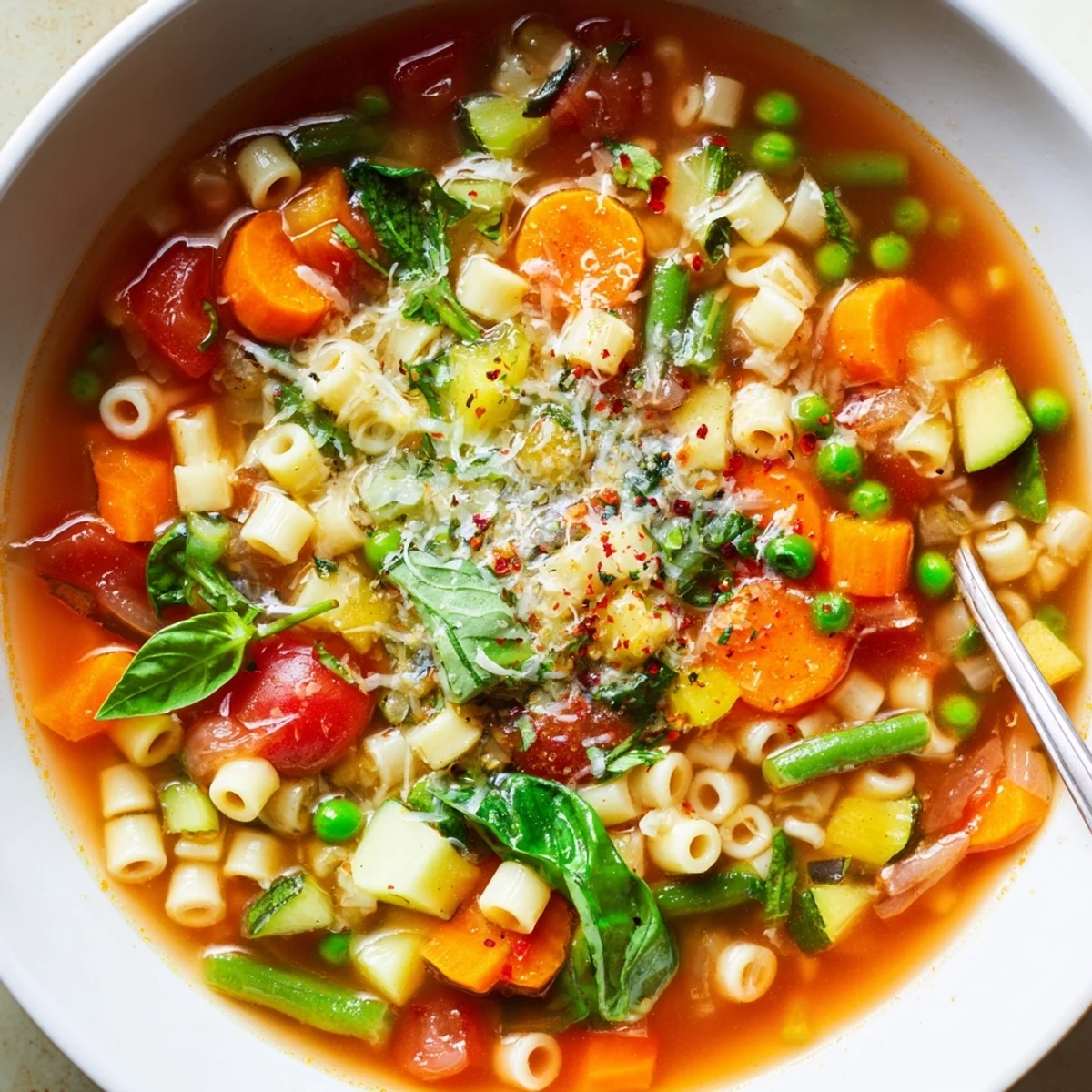
 This spring minestrone begins by sautéing onion and garlic in olive oil, then softening carrots and celery before adding zucchini, green beans and cherry tomatoes. Add vegetable broth, ditalini and peas, simmer 8–10 minutes until pasta is al dente, then stir in spinach and fresh herbs. Total time about 50 minutes. Finish with grated Parmesan or a vegan alternative and a drizzle of extra virgin olive oil.
Steam rising from a colorful pot of minestrone always makes me think of that quiet weekday evening when I craved something wholesome but bright. With the windows cracked open for a hint of spring breeze, I found myself drawn to the heap of vegetables waiting on my counter, their colors practically coaxing me to cook. There's an understated magic in chopping and stirring, the onion's sweet aroma meeting the freshness of herbs. It was the kind of night where making soup felt less like a task and more like an invitation to slow down and savor.
I still remember bringing out bowls of this minestrone for friends who had dropped by unexpectedly on a rainy spring day. The kitchen was filled with laughter, the kettle whistling in the background, and everyone piling into the warmth for seconds. Something about its pastel colors and the herbal fragrance in the air turned a simple meal into a shared celebration. I caught myself grinning as someone declared they could eat this every day and never get bored.
Ingredients
- Olive oil: Its fruity undertone forms the base, coaxing richness out of the onions—always heat it gently to avoid bitterness.
- Yellow onion (1 small): Gives the soup a subtle sweetness—look for one with tight, papery skin and no soft spots.
- Garlic (2 cloves): Just two cloves infuse the whole pot—press rather than chop for a mellower flavor.
- Carrots (2 medium): Their bright color signals sweetness; dice them evenly so they soften at the same time as the celery.
- Celery (2 stalks): Adds a crunchy backbone—choose stalks with leafy tops for more aroma.
- Zucchini (1 small): Brings a tender bite and soaks up the broth beautifully—no need to peel it.
- Peas (1 cup, fresh or frozen): Little bursts of sweetness; if using frozen, no need to thaw ahead of time.
- Green beans (1 cup): Cut into bite-sized pieces for balanced texture—fresh beans snap when you bend them.
- Baby spinach (2 cups): Wilts down to add silkiness; stir in at the very end for the brightest flavor.
- Cherry tomatoes (1 cup): Their sweetness makes the broth sing—halve them to let the juices release.
- Vegetable broth (6 cups): The canvas for all these flavors; a good store-bought option is great, but homemade brings extra depth.
- Small pasta (1 cup, ditalini or orzo): These tiny shapes give the perfect amount of body—cook until just al dente for the best texture.
- Salt (1 tsp, or to taste): Essential for waking up every ingredient—taste as you go.
- Black pepper (1/2 tsp): Lends warmth that balances the sweetness of the vegetables.
- Red pepper flakes (1/4 tsp, optional): A little kick for anyone who loves subtle heat—start small and adjust.
- Fresh basil (2 tbsp): Perfumes the soup with a hint of summer—tear the leaves for rustic flavor.
- Fresh parsley (1 tbsp): Brightens everything—finely chop to disperse flavor without overpowering.
- Fresh dill (1 tbsp, optional): Adds a gentle, unexpected layer—try it once and decide if it’s your thing.
- Parmesan cheese (1/4 cup, freshly grated): Optional, but the nutty finish is irresistible—skip or sub for vegan to keep it dairy-free.
- Extra virgin olive oil (for drizzling): That finishing ribbon makes it taste restaurant special—choose your best bottle.
Instructions
- Fragrant foundation:
- Swirl olive oil into your big soup pot and let it warm until it shimmers, then tumble in the onions and garlic. Stir together, breathing in as the whole kitchen smells sweet and inviting—about three minutes should do it.
- Sauté the vegetables:
- Add carrots and celery, stirring occasionally as they soften and their color brightens, letting the veggies get to know each other for five minutes.
- Add the spring stars:
- Mix in zucchini, green beans, and cherry tomatoes; you’ll hear a sizzle and see the tomatoes start to glisten as their juices release, cooking for another couple of minutes.
- Pour in the broth:
- Slowly add the vegetable broth and raise the heat to bring it all to a gentle boil, watching steam fog up your glasses.
- Simmer with pasta & peas:
- Stir in the pasta and peas, then reduce to medium and let it cook, uncovered, until the pasta is perfectly al dente and the greens look plump—about 8 to 10 minutes.
- Herb & spinach finish:
- Add the spinach and toss in all the herbs, seasoning with salt, black pepper, and a pinch of red pepper flakes; stir gently as the spinach wilts magically in just a minute or two.
- Serve and garnish:
- Ladle the soup into bowls, shower with grated Parmesan and a swirl of olive oil, then toss on any extra herbs—serve steaming hot and watch everyone lean in for that first spoonful.
 Pin It
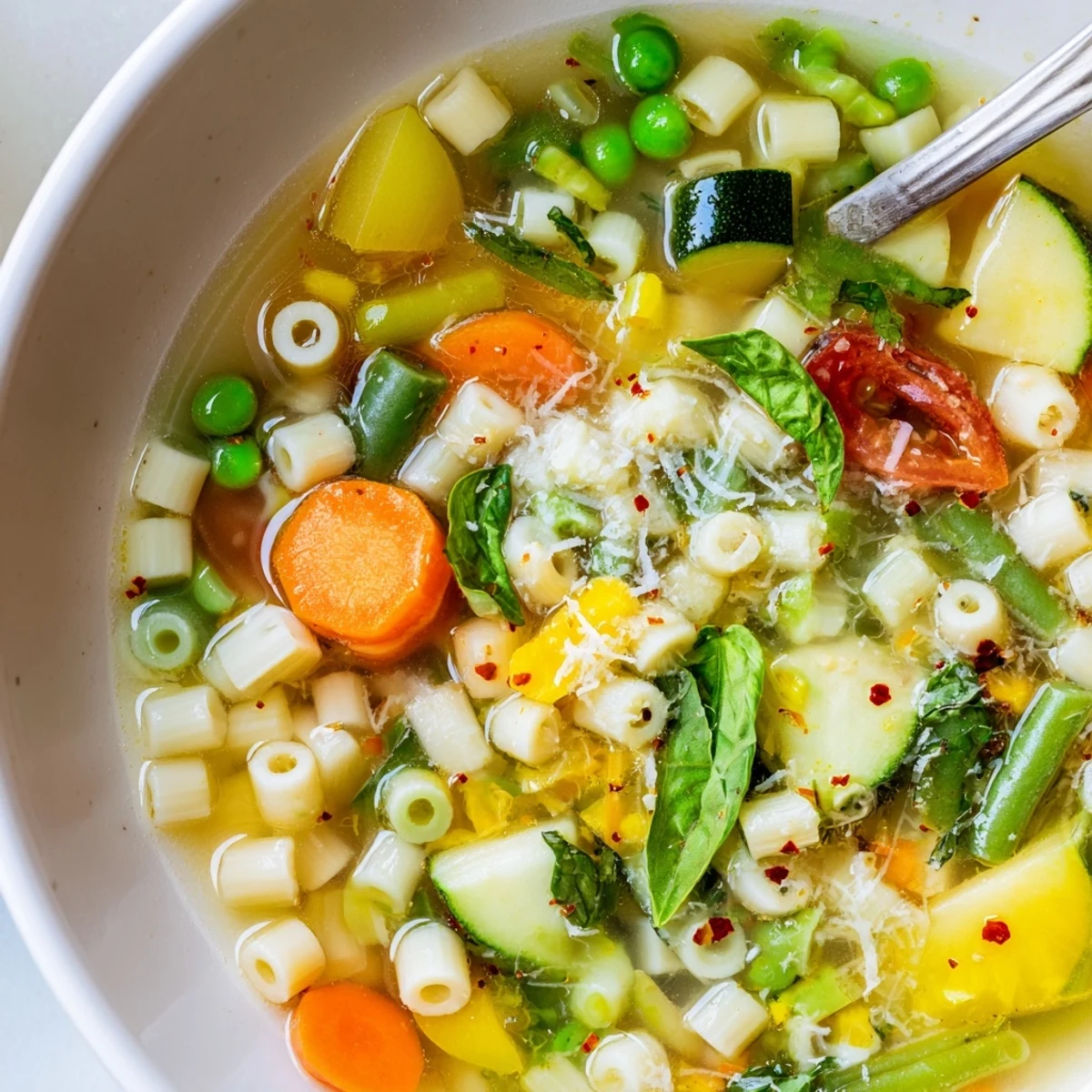
 One evening, I watched my usually picky niece quietly finish a whole bowl and look up for more, cheeks flushed and smiling—proof that simple, fresh food can win anyone over. Sometimes the best moments are seeing your loved ones find comfort in something you’ve cooked from scratch.
How to Make It Your Own
Part of the charm here is in playing with whatever produce looks best that week. I’ve tossed in asparagus tips after a Saturday market trip, or subbed fava beans just to mix things up. Cannellini beans make it heartier, and leftovers taste even better the next day. Being creative keeps this recipe endlessly exciting.
Little Kitchen Lessons Learned
Keep your knife ultra-sharp and chopping goes so much faster—the rhythm can almost feel meditative. I also realized that stirring in the spinach off the heat keeps its color vibrant. And don’t forget, a squeeze of lemon at the end brightens it up perfectly if your vegetables aren’t as sweet as you hoped.
Serving Ideas That Shine
A slice of sourdough or rustic bread is a must for soaking up the golden broth, and a crisp white wine makes it feel just a little fancy. This minestrone also works as a starter for springtime gatherings, or as a whole meal on its own for a weeknight supper. Set the pot right in the center of the table and invite everyone to serve themselves—it’s a recipe made for sharing.
- If you’re prepping ahead, keep pasta separate and add when reheating.
- For extra creaminess, stir in a spoonful of pesto just before serving.
- Freeze leftovers in single portions for an easy work lunch.
 Pin It
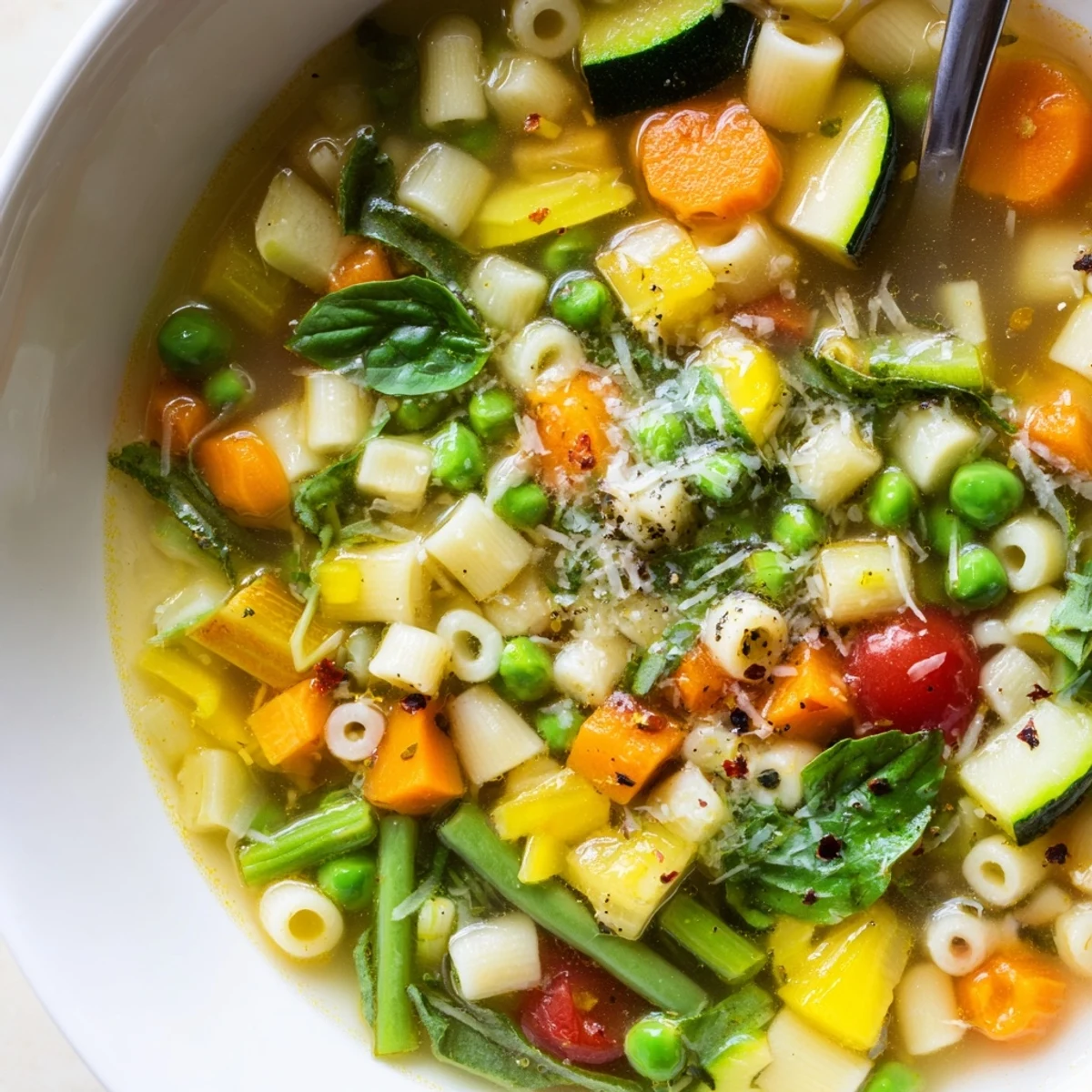
 May this spring minestrone bring as much joy to your kitchen as it has to mine. There’s always room for one more bowl at the table.
Recipe FAQs
- → How do I prevent the pasta from getting mushy?
-
Add the small pasta to the simmering broth later in the cooking process and cook just until al dente, usually 8–10 minutes. Drain slightly if the broth reduces too much and finish cooking off heat with the lid on to avoid overcooking.
- → Can I add beans for more protein?
-
Yes. Stir in a can of rinsed cannellini or navy beans after the broth comes to a simmer. Heat through for a few minutes so the beans warm without breaking apart to maintain texture.
- → What are good pasta shapes to use?
-
Choose small shapes that nestle among the vegetables, such as ditalini, orzo, small shells, or acini di pepe. They cook quickly and provide pleasant bites throughout the bowl.
- → How can I make this a vegan or gluten-free version?
-
For vegan, omit the Parmesan or use a plant-based grated cheese. For gluten-free, swap in a gluten-free small pasta or use extra beans and reduce pasta to keep the heartiness without gluten.
- → Which herbs and garnishes work best?
-
Fresh basil and parsley brighten the bowl; a touch of dill pairs well with peas. Finish with a drizzle of extra virgin olive oil and freshly grated Parmesan or its vegan counterpart for richness.
- → How should leftovers be stored and reheated?
-
Cool quickly and refrigerate in an airtight container for up to 3 days. Reheat gently over low heat, adding a splash of broth or water to revive the texture; avoid high heat to prevent the pasta from breaking down.