
 Pin It
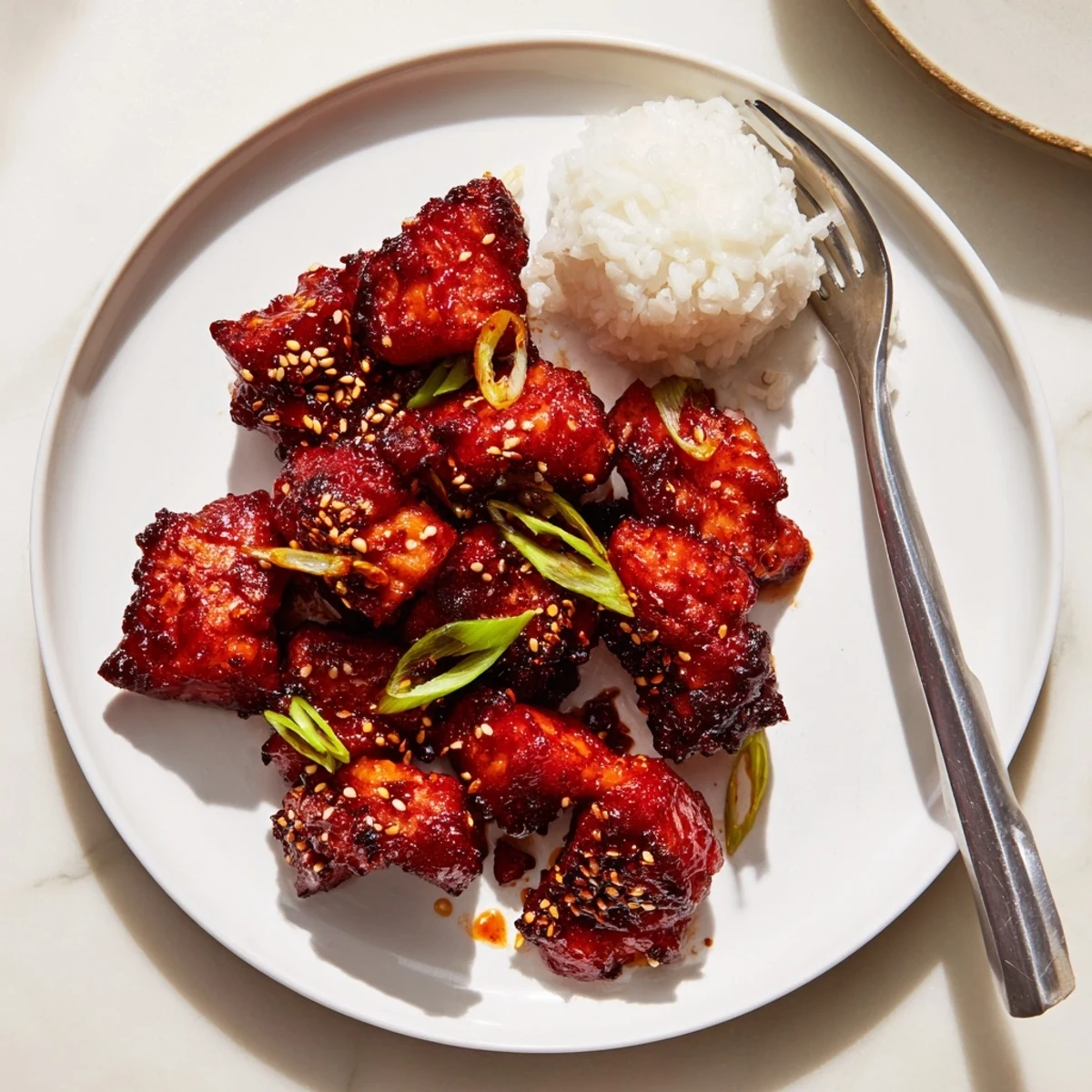
 This Korean-inspired gochujang chicken features succulent boneless chicken thighs marinated in a rich blend of gochujang paste, soy sauce, honey, and sesame oil.
The marinade builds layers of spicy, sweet, and savory flavors that caramelize beautifully when pan-seared to golden perfection.
Ready in just 40 minutes with 15 minutes of prep, it's an easy weeknight dinner that delivers authentic Korean taste. Garnish with toasted sesame seeds and spring onions, then serve over steamed white rice.
The sizzle of chicken hitting a screaming hot pan on a Tuesday evening changed my entire weeknight dinner game forever. Gochujang was one of those jarred mysteries sitting in the back of my fridge until a friend dared me to make something with it beyond bibimbap. That first sticky, caramelized bite had me wondering why I had waited so long. Now this dish shows up at my table at least twice a month, rain or shine.
My neighbor once knocked on my door asking what smelled so incredible while this was cooking, and ended up staying for dinner with a bowl of rice I hastily threw together.
Ingredients
- 800 g boneless skinless chicken thighs: Thighs stay juicy and forgiving even if you accidentally cook them a minute too long, which I have done more times than I care to admit.
- 3 tbsp gochujang: This is the heart of everything, so grab a tub from a Korean brand if you can find one because the flavor depth is noticeably better.
- 2 tbsp soy sauce: Adds the salty backbone that balances the sweetness of honey perfectly.
- 2 tbsp honey: Helps the chicken caramelize into those gorgeous dark edges that make everyone salivate.
- 1 tbsp rice vinegar: A little brightness to keep the glaze from feeling too heavy or cloying.
- 1 tbsp sesame oil: Just a splash transforms the aroma and ties everything to that unmistakable Korean flavor profile.
- 3 cloves garlic minced: Fresh is nonnegotiable here since the garlic cooks into the glaze and becomes sweet and mellow.
- 1 tbsp ginger grated: Adds a warm zing that makes the sauce taste more complex than it actually is.
- 1 tsp toasted sesame seeds: Mostly for looks and a bit of crunch, but they matter more than you think.
- 1 spring onion thinly sliced: A fresh finishing touch that cuts through all that richness.
Instructions
- Whisk the sauce together:
- Drop the gochujang, soy sauce, honey, rice vinegar, sesame oil, garlic, and ginger into a large bowl and whisk until you have a smooth, glossy, deep red paste that smells absolutely irresistible.
- Coat the chicken:
- Toss the chicken pieces into the bowl and use your hands or a spoon to massage every single piece until nothing looks naked, then let it sit for at least ten minutes so the flavors can sneak into every crevice.
- Get the pan ripping hot:
- Set a large skillet or grill pan over medium high heat and let it warm up until a tiny drop of marinade sizzles aggressively the moment it touches the surface.
- Cook until caramelized:
- Spread the chicken in a single layer and let it cook undisturbed for six to eight minutes per side so those beautiful dark edges can form and the center cooks through completely.
- Finish and garnish:
- Pull the pan off the heat, scatter the toasted sesame seeds and sliced spring onion over the top, and try to resist eating a piece directly from the pan.
- Serve it up:
- Pile the chicken onto plates with steamed rice or whatever sides make you happy and watch everyone go quiet because their mouths are full.
 Pin It
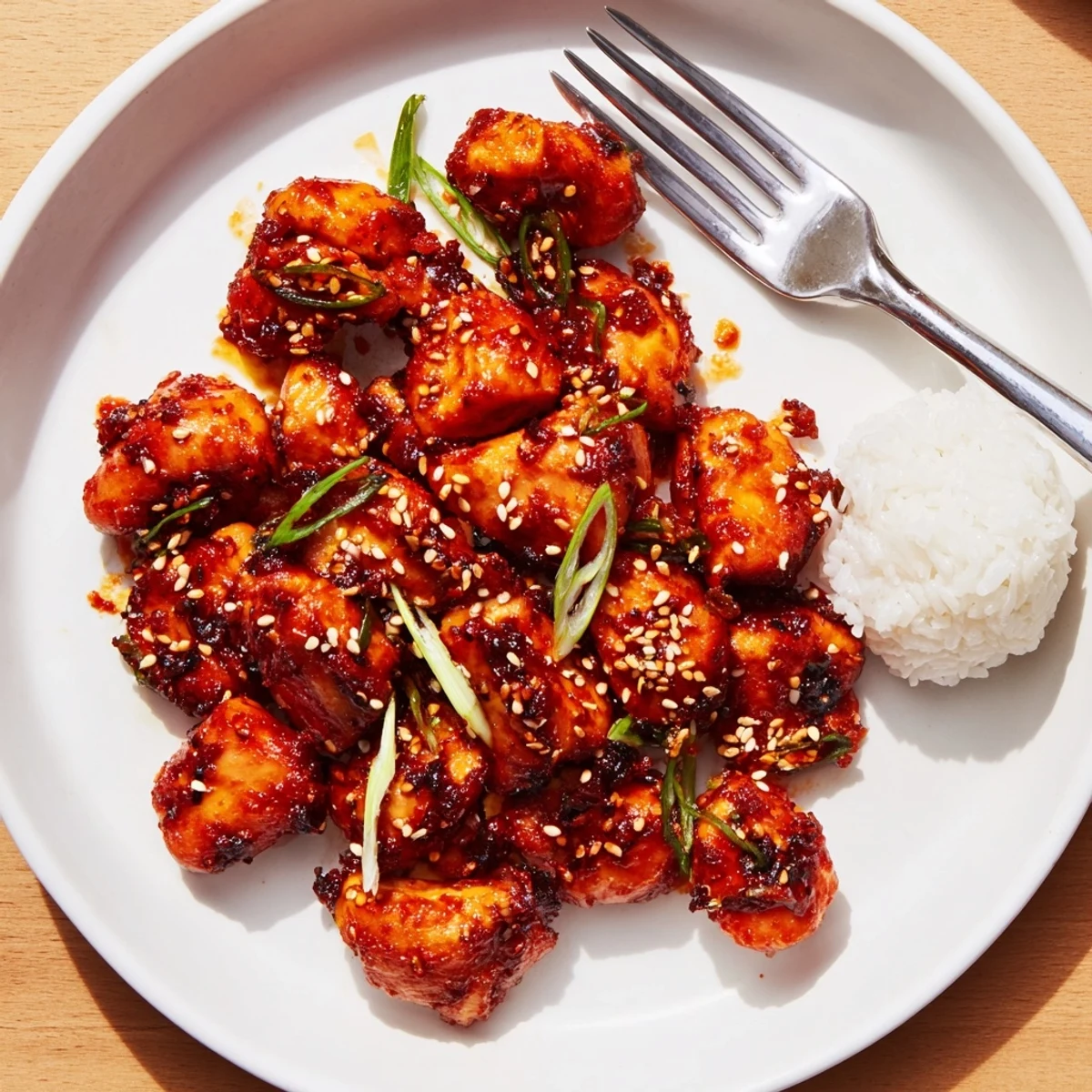
 There is something magical about watching a jar of fermented chili paste transform a plain pile of chicken thighs into the kind of meal that makes people close their eyes when they take the first bite.
What to Serve Alongside It
Steamed white rice is the obvious choice and honestly the only one you need, but a plate of simple steamed bok choy or a quick cucumber salad dressed with sesame oil and vinegar adds a cool crunch that balances the heat beautifully.
Adjusting the Heat
The gochujang alone gives you a moderate, approachable warmth that most people can handle, but if you want real fire a teaspoon of gochugaru stirred into the marinade will get you there without overpowering the other flavors.
Making It Your Own
This recipe is endlessly forgiving and welcomes experimentation once you understand the basic sauce ratio.
- Chicken breasts work fine if that is what you have, just watch the cooking time closely since they dry out much faster.
- Try tossing the cooked chicken with some steamed broccoli or snap peas right in the pan for a one skillet meal.
- Always taste the marinade before adding the chicken and adjust the honey or soy sauce to match your personal preference.
 Pin It
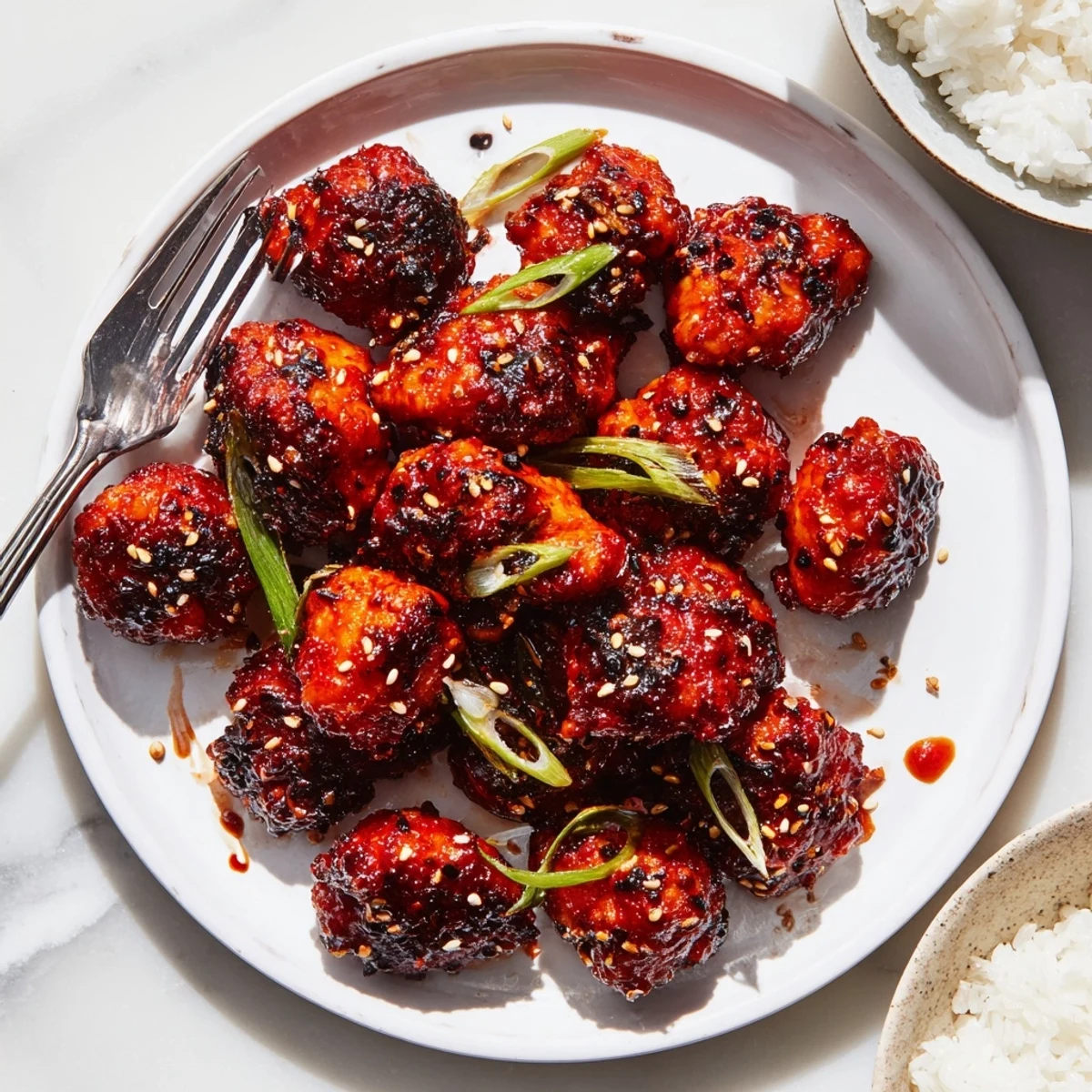
 Keep a tub of gochujang in your fridge at all times and this meal is never more than thirty minutes away from saving your evening.
Recipe FAQs
- → What does gochujang taste like?
-
Gochujang is a fermented Korean red chili paste with a complex flavor profile that balances spicy, sweet, and savory umami notes. It adds depth and rich heat to dishes without being overwhelmingly hot.
- → Can I use chicken breast instead of thighs?
-
Yes, chicken breast works as a leaner alternative. Reduce the cooking time to 5–6 minutes per side since breast meat cooks faster and can dry out more easily than thighs.
- → How long should I marinate the chicken?
-
A minimum of 10 minutes works for a quick meal, but marinating for 1 to 2 hours allows the gochujang flavors to penetrate deeply and creates a more flavorful result.
- → Is this dish very spicy?
-
The heat level is moderate thanks to the gochujang paste. For extra spice, add 1 teaspoon of Korean chili flakes (gochugaru) to the marinade. The honey balances the warmth with natural sweetness.
- → What should I serve with gochujang chicken?
-
Steamed white rice is the classic pairing, but it also works wonderfully with steamed vegetables, bok choy, or a refreshing cucumber salad to balance the bold, spicy flavors.
- → Can I make this gluten-free?
-
Yes, simply substitute regular soy sauce with tamari or a certified gluten-free soy sauce. Double-check the gochujang label as some brands may contain wheat-based additives.