
 Pin It
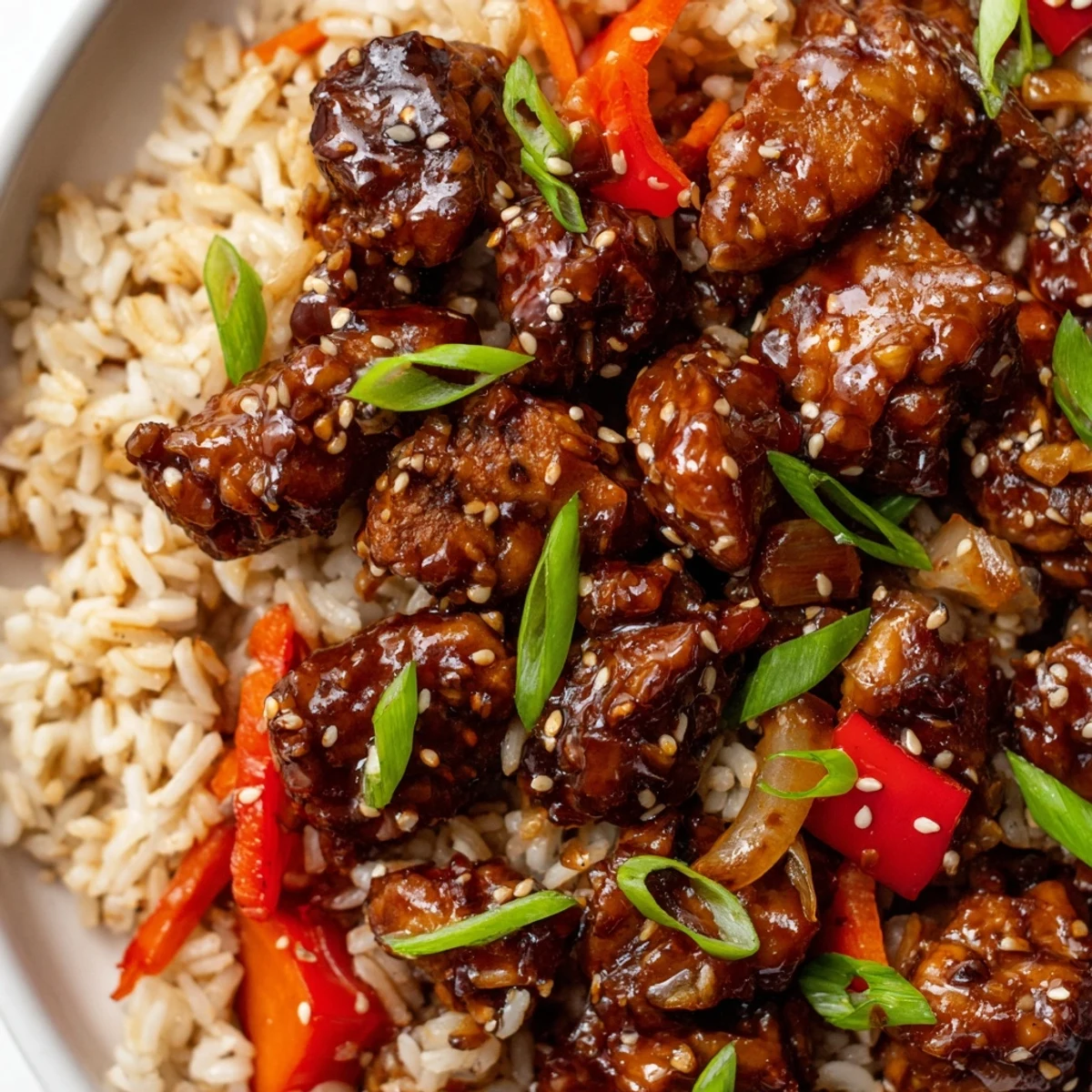
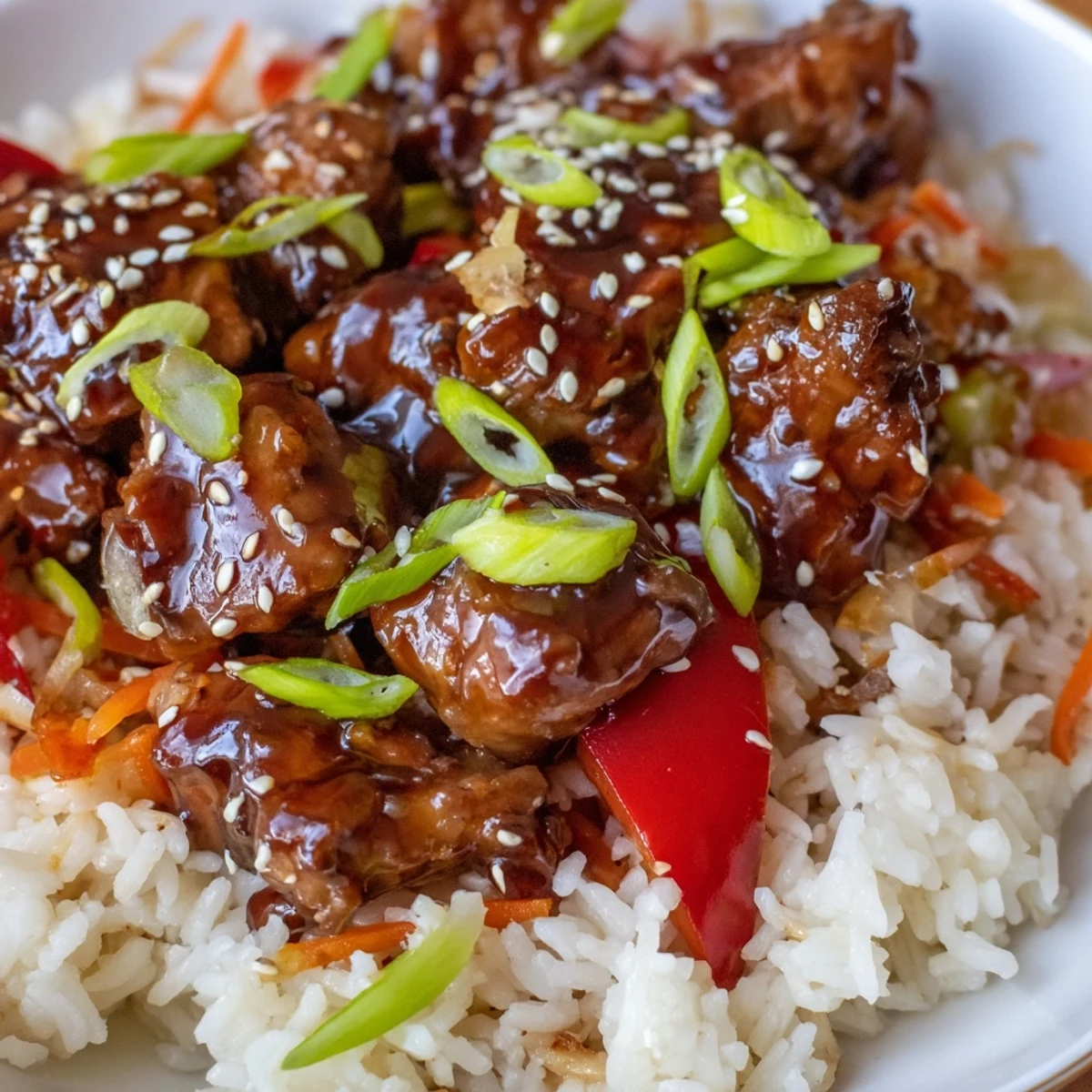
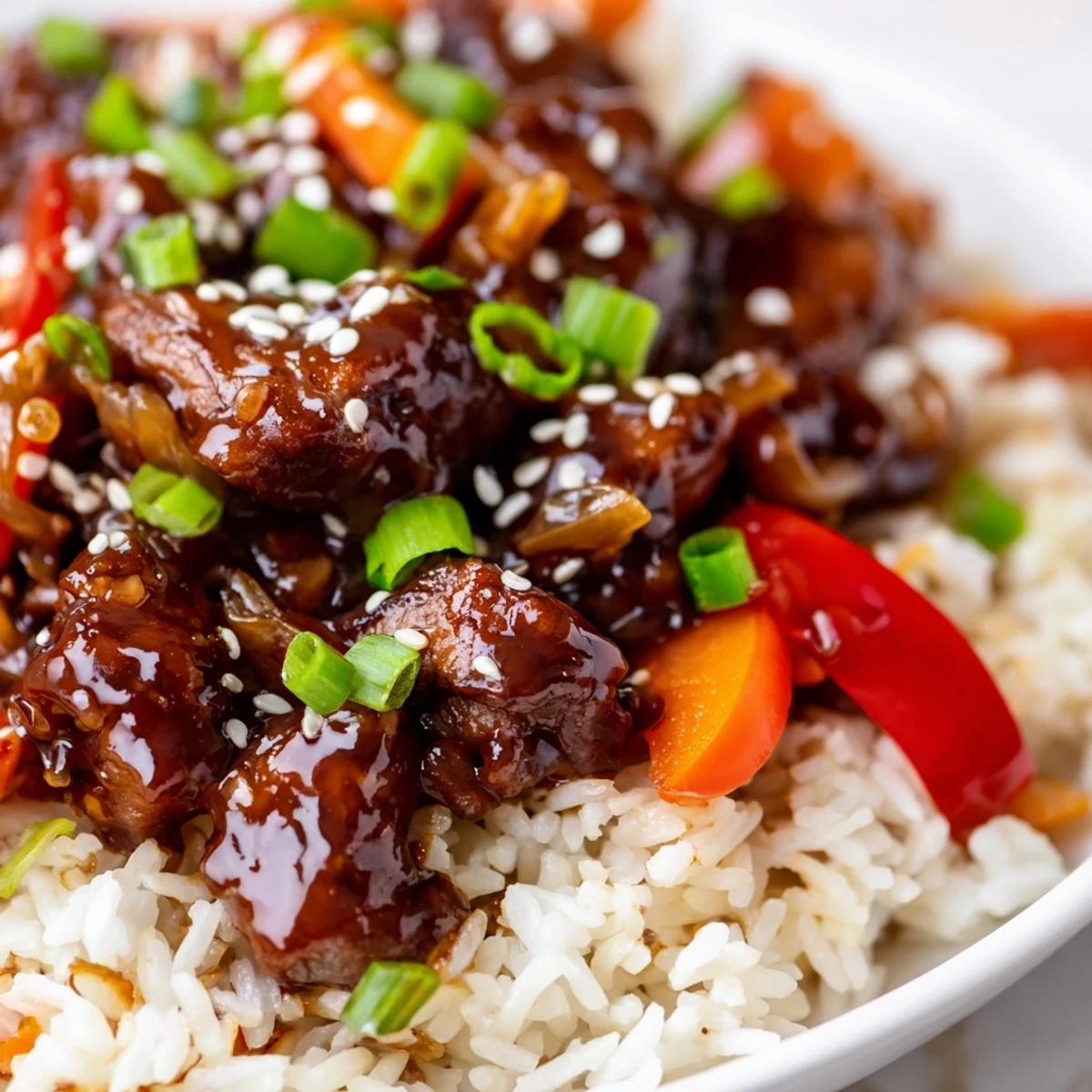
 This one-skillet meal features tender chicken thighs marinated in a blend of Korean BBQ sauce, soy sauce, sesame oil, honey, garlic, and ginger. The chicken is browned alongside onions, bell peppers, and carrots, then simmered with rice and chicken broth until perfectly fluffy and infused with bold Korean flavors.
Ready in just 50 minutes with only 15 minutes of prep, this dish delivers restaurant-quality Korean BBQ taste at home. Top with fresh green onions and toasted sesame seeds for crunch, and serve alongside kimchi for an authentic touch.
The first time I made this Korean BBQ chicken, my kitchen filled with this incredible sweet-savory aroma that had my roommate literally hovering over the stove. We were both exhausted from work, craving something comforting but not another boring stir-fry. That night, we ate straight from the pan, standing up, burning our tongues slightly because we couldn't wait. Now it's our go-to when we want something that feels special but only uses one pan to clean.
Last winter, my sister came over after a terrible week at work, and I made this for dinner. She took one bite and actually went quiet for a full minute—which never happens—then immediately asked for the recipe. Now she makes it for her family every Sunday, and her kids fight over the crispy rice bits at the bottom of the pan. It's become one of those meals that shows up at birthdays, bad days, and random Tuesday nights when takeout feels like too much effort.
Ingredients
- Chicken thighs: Boneless thighs stay juicier than breast through the long simmer time, and cutting them into bite-sized pieces helps them absorb more marinade
- Korean BBQ sauce: This is the flavor backbone, usually bulgogi sauce with that perfect balance of sweet and savory notes
- Soy sauce: Adds that essential umami depth and saltiness to round out the marinade
- Sesame oil: Just a tablespoon brings that nutty, aromatic finish that makes it taste restaurant-quality
- Honey: Natural sweetness that helps the chicken caramelize beautifully while cooking
- Garlic and ginger: Fresh is absolutely worth it here, they create that aromatic base when the chicken first hits the pan
- Onion, bell pepper, and carrots: Classic trio that holds up well during steaming and adds color and texture variation
- Jasmine rice: Short-grain varieties work beautifully, becoming slightly sticky and perfect for soaking up all those cooking juices
- Chicken broth: Low-sodium lets you control the salt level while still infusing the rice with savory depth
- Green onions and sesame seeds: Fresh garnish that adds a bright crunch and makes everything look finished and inviting
Instructions
- Marinate the chicken:
- Combine chicken with Korean BBQ sauce, soy sauce, sesame oil, honey, garlic, and ginger, letting it sit for at least 10 minutes to soak up all those flavors
- Sear the chicken:
- Heat oil in a large deep skillet over medium-high heat, add the marinated chicken, and cook for 3-4 minutes until lightly browned and fragrant
- Add vegetables:
- Toss in onion, bell pepper, and carrots, sautéing for 2-3 minutes until they start to soften and release their aroma
- Coat the rice:
- Stir in rinsed rice, mixing thoroughly so every grain gets coated in the flavorful chicken juices and rendered fat
- Simmer everything:
- Pour in chicken broth, bring to a boil, then reduce heat to low, cover, and simmer for 20-25 minutes until rice is tender
- Rest and fluff:
- Remove from heat and let it sit covered for 5 minutes—this crucial step lets the rice finish steaming evenly—then fluff gently with a fork
- Garnish and serve:
- Top with sliced green onions and toasted sesame seeds, serving piping hot with kimchi or pickled vegetables on the side
 Pin It
 My friend who swears she can't cook made this for her new boyfriend's family dinner. She called me afterward, breathless, saying his mom asked for the recipe before they even left the table. Sometimes the simplest meals are the ones people remember most.
Making It Your Own
I've discovered that swapping in gochujang for half the BBQ sauce adds this incredible depth and heat that changes the whole dish. Once I added baby corn and snap peas because that's what I had in the freezer, and now my family actually requests it that way. The recipe is forgiving enough that you can use whatever vegetables need using up—broccoli, zucchini, even diced sweet potato works beautifully.
Getting The Texture Right
The trick is not to mess with it too much while it simmers—resist the urge to lift the lid and check on things. I learned this the hard way after making gummy rice three times before finally trusting the process. Also, letting the chicken get a nice sear before adding everything else builds those browned bits at the bottom that dissolve into the rice, creating those incredible crispy-edged grains everyone fights over.
Planning Ahead
You can marinate the chicken overnight in the refrigerator, which actually makes the flavors even more intense. I often prep all my vegetables in the morning and store them in containers, so come dinner time I'm just dumping things into the pan. Leftovers reheat surprisingly well, though I recommend sprinkling a tablespoon of water over it before microwaving to refresh the rice.
- Double the recipe and freeze portions for those nights when cooking feels impossible
- Keep kimchi in your fridge as a standard pantry staple—it lasts forever and elevates simple meals
- Invest in a good skillet with a tight-fitting lid, it makes one-pan meals like this so much more reliable
 Pin It
 There's something deeply satisfying about a meal that comes together in one pan but tastes like it took hours and multiple pots. This recipe has saved more weeknights than I can count.
Recipe FAQs
- → Can I use chicken breast instead of thighs?
-
Yes, chicken breast works well though it may be slightly less tender. Adjust cooking time to avoid drying out the meat.
- → What rice works best for this dish?
-
Short-grain white rice or jasmine rice are ideal. They absorb the flavorful sauce well and create the perfect texture.
- → How can I make this dish gluten-free?
-
Use tamari instead of soy sauce and verify your Korean BBQ sauce is gluten-free. Many brands offer certified GF options.
- → Can I add more vegetables?
-
Absolutely. Snap peas, zucchini, broccoli, or mushrooms make excellent additions. Adjust cooking time as needed.
- → How do I store leftovers?
-
Keep in an airtight container in the refrigerator for up to 4 days. Reheat with a splash of water to restore moisture.
- → Can I make this spicy?
-
Add 1 tablespoon of gochujang to the marinade or include sliced Korean chili peppers when sautéing vegetables.