
 Pin It
 This moist cake combines fresh lemon zest and juice with crunchy poppy seeds for a bright and textured bite. The butter and buttermilk create a tender crumb while the lemon icing adds balanced sweetness and tang. Simple techniques such as creaming butter and sugar ensure a light, fluffy base. Ideal served cooled and paired with tea, this treat highlights fresh citrus notes and subtle nuttiness from the seeds. Suitable for easy preparation and sharing with friends or family.
There's something about the smell of lemon zest hitting hot butter that stops me mid-thought every time. Years ago, I brought this cake to a neighbor's porch on one of those unexpectedly warm April afternoons, and she took one bite, closed her eyes, and didn't say a word—which somehow said everything. Now it's the cake I reach for when I want something that feels both comforting and bright, the kind of thing that makes people slow down.
I made this for a small book club once, and one of the guests asked for the recipe before dessert was even finished. She said it reminded her of her grandmother's kitchen, though I'm certain her grandmother made something entirely different—that's just what good lemon cake does. It carries memory forward even when you're making it for the first time.
Ingredients
- All-purpose flour (2 1/2 cups): The foundation here—make sure it's fresh and aerated, so sift it if you've had it sitting around.
- Poppy seeds (2 tbsp): These aren't just for looks; they add texture and a faint nuttiness that plays beautifully against the tartness.
- Baking powder (1 1/2 tsp) and baking soda (1/2 tsp): Both matter—the combination creates a crumb that's light without being airy or odd.
- Salt (1/2 tsp): A small amount that rounds everything out and stops the sweetness from feeling flat.
- Unsalted butter (1 cup), softened: Room temperature is essential here; cold butter won't cream properly and you'll miss the structure you need.
- Granulated sugar (1 1/4 cups): This is what you cream with the butter, creating tiny air pockets that give the cake its tender crumb.
- Eggs (4 large), room temperature: Cold eggs won't incorporate smoothly, and you want an emulsified batter that's almost glossy when you're done.
- Lemon zest (from 2 lemons): Use a microplane and get just the yellow part—the white pith underneath tastes bitter and will throw off the balance.
- Freshly squeezed lemon juice (1/4 cup): Bottled juice loses its brightness, so this is where squeezing by hand actually matters.
- Buttermilk (1 cup), room temperature: The acidity tenderizes the crumb and adds a subtle tang that keeps sweetness in check.
- Vanilla extract (1 tsp): A small amount that deepens the flavor without announcing itself.
- Powdered sugar for icing (1 cup), sifted: Lumps in your icing make the drizzle uneven, so this step isn't skippable.
- Lemon juice for icing (2–3 tbsp): Start with 2 and add the third tablespoon if you want it thinner; this gives you control.
Instructions
- Set yourself up for success:
- Heat your oven to 350°F and get your pan ready—grease it generously and dust it with flour so nothing sticks. Having everything prepped before you start mixing means you won't be scrambling with hot batter.
- Combine the dry ingredients:
- Whisk your flour, poppy seeds, baking powder, baking soda, and salt in a medium bowl until the poppy seeds are evenly distributed. This step ensures the leavening agents are spread throughout the batter so your cake rises evenly.
- Cream butter and sugar together:
- This is where patience pays off—beat them for 3 to 4 minutes until the mixture is noticeably lighter and fluffier than when you started. You're aerating the butter, which is what gives the cake its tender structure, so don't rush this part.
- Add eggs one at a time:
- Drop in one egg, beat until it's fully incorporated, then add the next—this creates an emulsified batter that holds air and moisture. If you dump them all in at once, you'll end up with a grainy mixture and a denser cake.
- Work in the lemon:
- Stir in the zest and fresh lemon juice, and notice how the batter might look slightly curdled—that's normal and nothing to worry about. The buttermilk will come in next and smooth everything out.
- Alternate flour and buttermilk:
- Add the flour mixture in three parts and the buttermilk in two, starting and ending with flour—this keeps the batter from breaking and keeps it smooth. Pour in a third of the flour, mix gently, add half the buttermilk, mix, then repeat with another flour third, the remaining buttermilk, and finish with the last flour portion.
- Finish with vanilla:
- Stir in the vanilla extract, scraping down the bowl so nothing is unmixed. The batter should look smooth and slightly thick, almost like mousse.
- Pour and bake:
- Transfer the batter to your pan, smooth the top with a spatula, and slide it into the oven. Bake for 40 to 50 minutes, checking around the 40-minute mark with a toothpick—it should come out clean or with just a few crumbs.
- Cool before icing:
- Let it sit in the pan for 15 minutes so it sets slightly, then turn it out onto a wire rack and let it cool all the way down. A warm cake absorbs the icing and makes it sink in; a cool cake lets it sit prettily on top.
- Make and apply the icing:
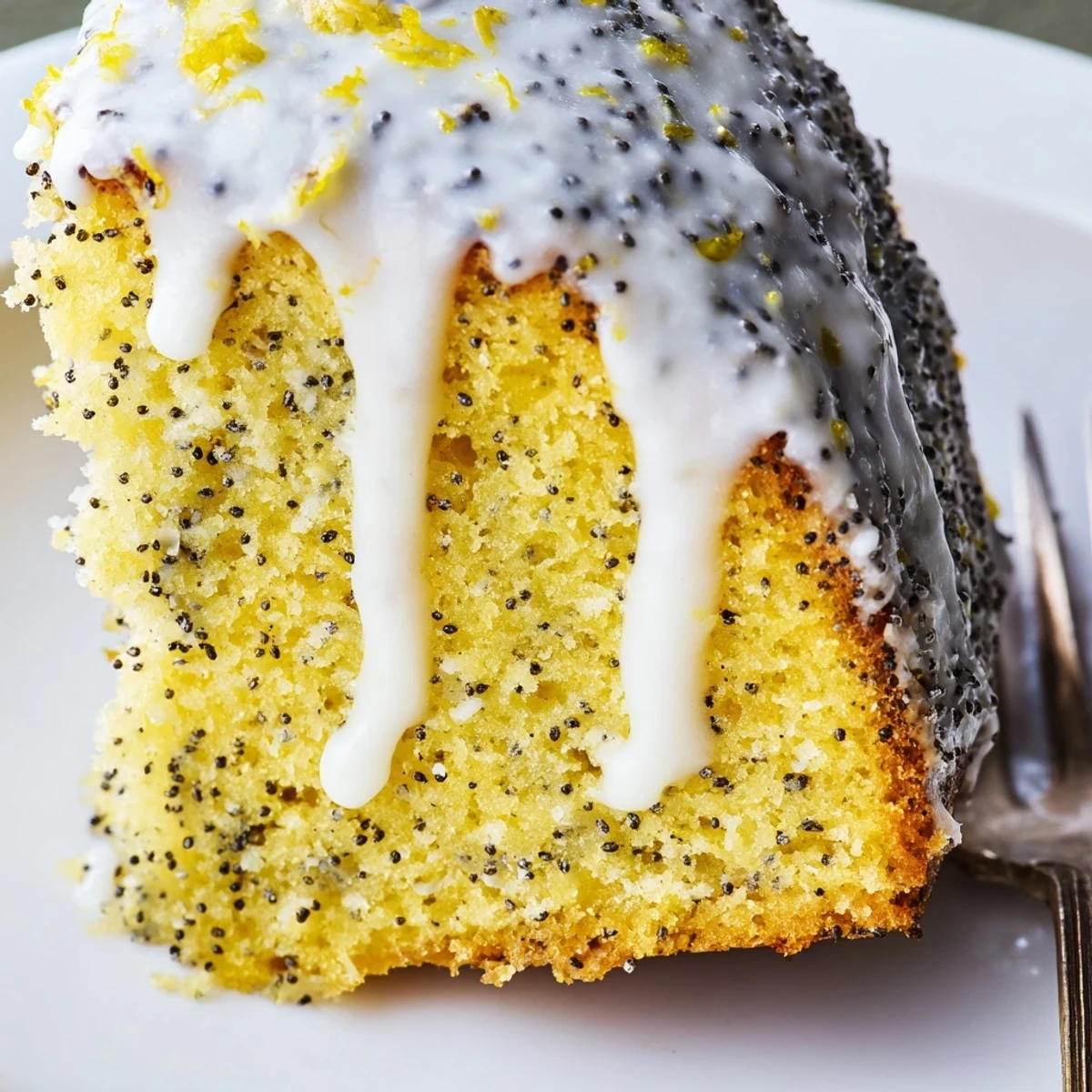
- Whisk powdered sugar with lemon juice until it's smooth and pourable, then drizzle it over the cooled cake in whatever pattern feels right. The icing will set as it cools, creating a thin, delicate glaze.
 Pin It
 I once brought this to a potluck where everyone was competing with elaborate layer cakes and complicated plated desserts, and this simple, honest thing was gone first. That taught me something about the power of restraint—how a cake that tastes exactly like what it promises to be can win without trying.
The Magic of Lemon in Baking
Lemon is one of those ingredients that seems to shine a light on everything around it, even as it stays mostly unnoticed itself. In a cake this straightforward, there's nowhere for it to hide, which means you really need good lemons and you need to use them correctly. The zest carries the brightness and aroma, while the juice provides the acidity that keeps the sweetness in balance and tenderizes the crumb—they work together in ways that can't be faked with extracts or substitutes.
Getting the Crumb Just Right
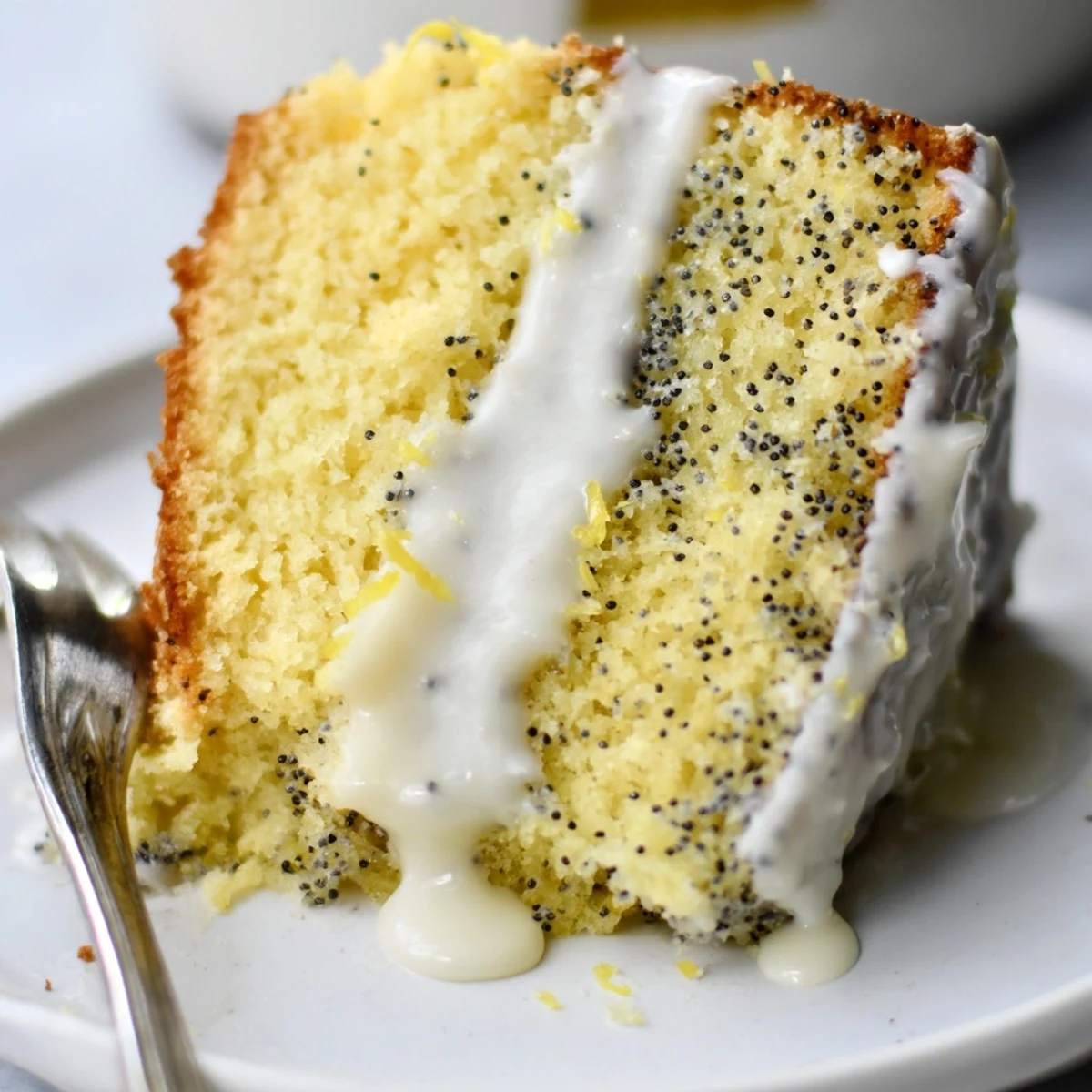
A lemon cake lives or dies on its texture, and there's a narrow path between light and dry, tender and gummy. The key is understanding that the buttermilk's acidity is doing half the work—it's not just flavor, it's reacting with the baking soda to create structure while keeping everything moist. This is also why you alternate the flour and buttermilk; it prevents overmixing while ensuring even hydration. The poppy seeds don't hurt either—they catch moisture and add a delicate crunch that keeps the cake from feeling dense.
Serving and Storing
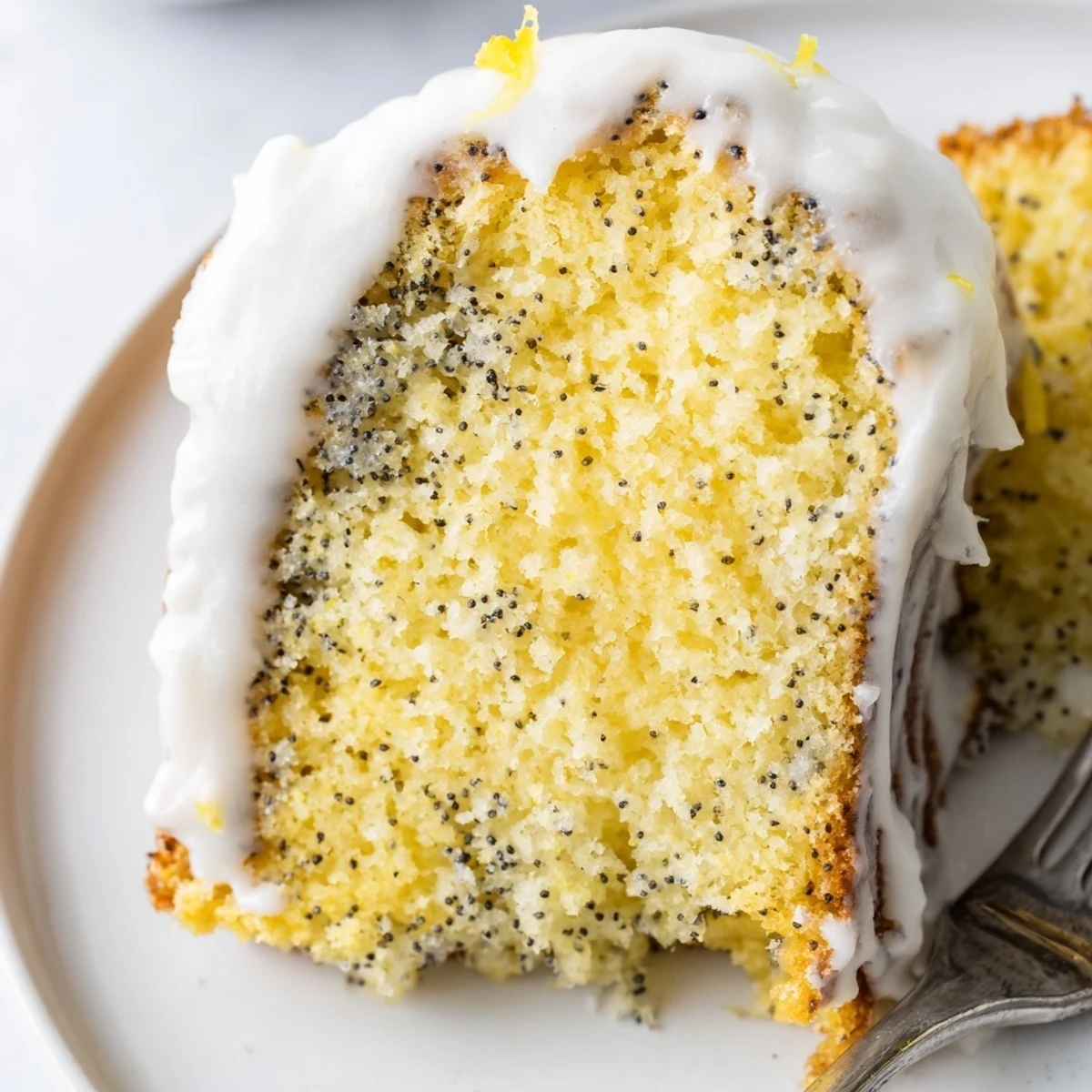
This cake reaches its absolute best in that window between fully cooled and the next day, when everything has settled and the flavors have deepened. It keeps for three days covered at room temperature, though I've rarely had it last that long. The icing will soften slightly as it sits, which is actually nice—it becomes more of a glaze that melts a little with each bite.
- Slice it with a hot, damp knife and wipe the blade between cuts for clean edges.
- Pair it with Earl Grey tea or just a strong cup of coffee to echo the lemon.
- If you want to make it a day ahead, skip the icing and add it right before serving so it stays fresh-looking.
 Pin It
 This is the cake I come back to when I want to bake something that feels both simple and special, the kind that reminds you why you love being in the kitchen. Make it once and it becomes part of your rotation.
Recipe FAQs
- → What gives the cake its lemon flavor?
-
Fresh lemon zest and freshly squeezed lemon juice are added to the batter and the icing, providing a bright and natural citrus aroma and taste.
- → How do poppy seeds affect the texture?
-
Poppy seeds add a slight crunch and a nutty flavor, enhancing the overall mouthfeel and contrast with the soft cake crumb.
- → Can I substitute buttermilk in the batter?
-
Yes, sour cream can be used as an alternative to buttermilk for a similar moist and tender crumb.
- → How is the icing made and applied?
-
The icing combines powdered sugar with lemon juice until smooth and pourable, then drizzled over the cooled cake to set with a tangy sweet finish.
- → What baking pan works best for this cake?
-
A 9-inch bundt or loaf pan is recommended to ensure even baking and ease of slicing after cooling.
- → How to check if the cake is fully baked?
-
Insert a toothpick into the center; it should come out clean or with a few moist crumbs when fully baked.