
 Pin It
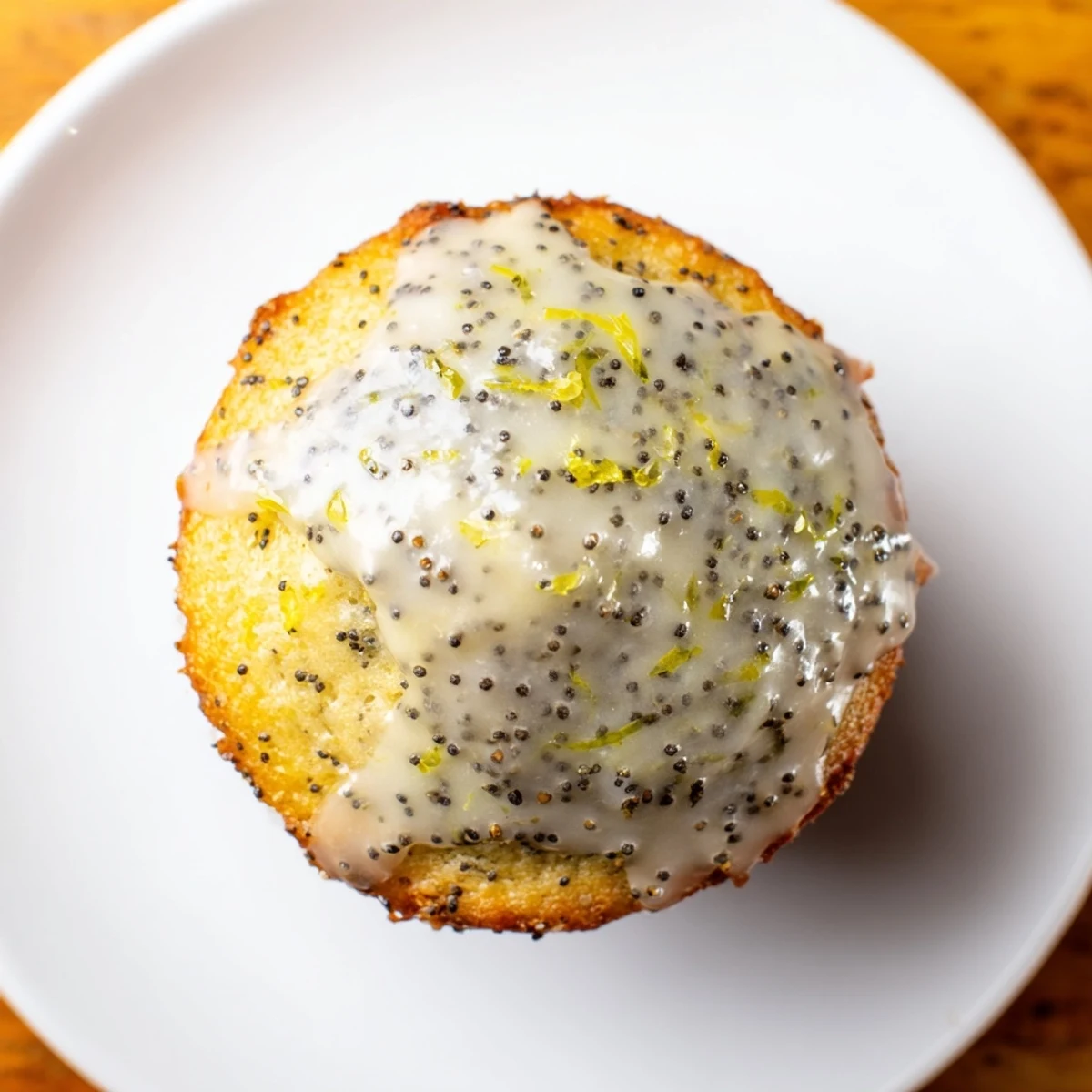
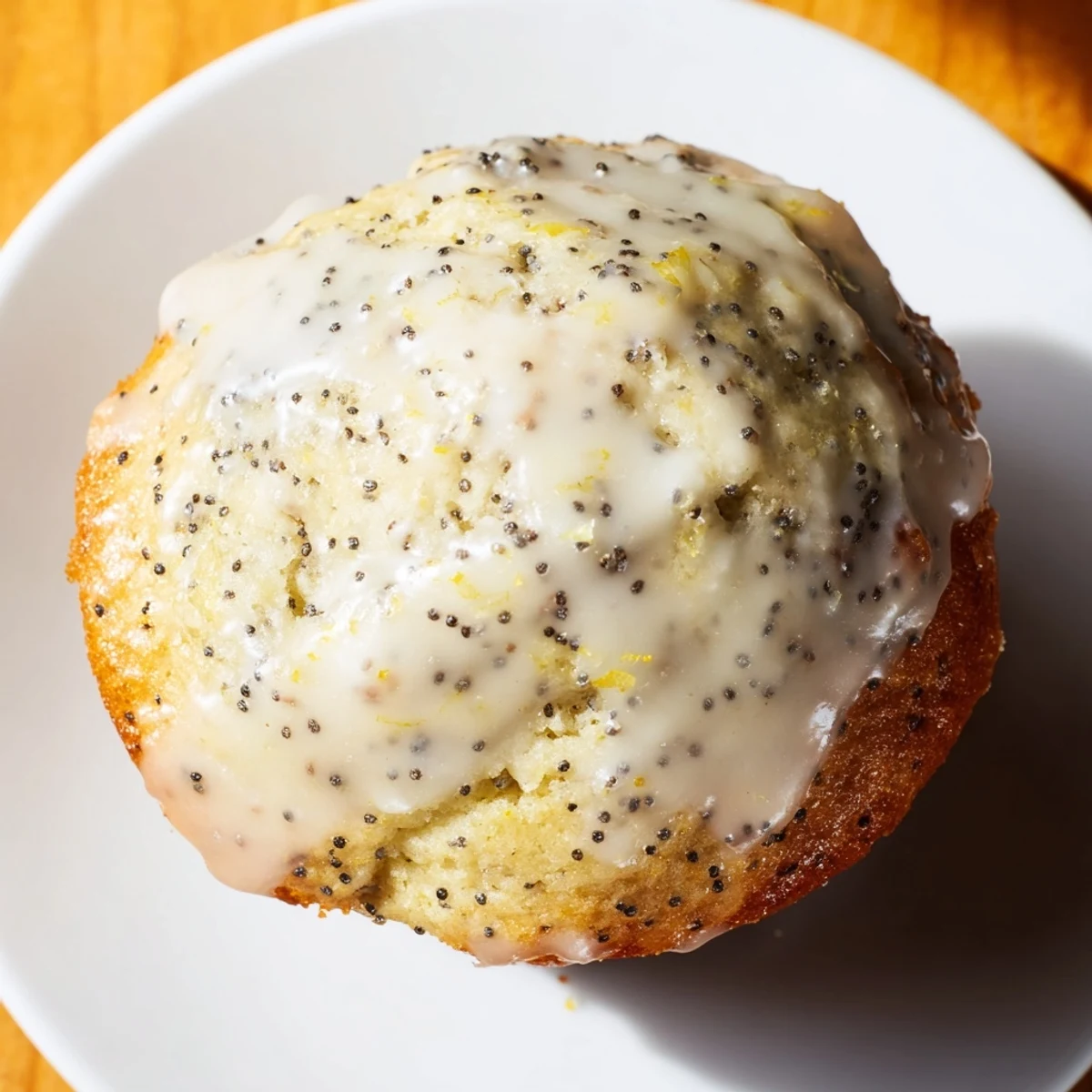
 These light, moist lemon poppy seed muffins offer a delightful burst of citrus flavor complemented by crunchy poppy seeds. The batter combines flour, sugar, eggs, milk, butter, fresh lemon juice, lemon zest, and vanilla extract for a balanced, flavorful base. Once baked, a tangy lemon glaze made with powdered sugar and fresh lemon juice is drizzled atop, enhancing each bite with zesty sweetness. Quick to prepare and bake, they make a great option for breakfast or an uplifting snack anytime.
There's something about the smell of lemon zest hitting a hot oven that makes a kitchen feel instantly brighter. I discovered these muffins on a grey Tuesday morning when I was determined to make something that didn't taste like winter, and the result was so vibrant and moist that I've been making them ever since. The poppy seeds give you these little bursts of texture, and the glaze on top catches the light in the most satisfying way. They're the kind of breakfast that makes you feel like you've done something special before 9 AM.
I made a batch for my neighbor who was going through a rough patch, and watching her face light up when she bit into one told me everything I needed to know about comfort food. She called later asking for the recipe, and I realized that muffins are one of those rare things that work both as an everyday breakfast and a quiet way of saying "I'm thinking of you." Since then, I've baked these for new parents, housewarnings, and just because it's Tuesday and I wanted someone to smile.
Ingredients
- All-purpose flour (2 cups): This is your foundation—measure it by spooning and leveling, not scooping, because scooping compacts it and can make your muffins dense instead of tender.
- Granulated sugar (1 cup): It's not just sweetness; it also helps trap moisture, which is why these stay soft even after a few days in a container.
- Poppy seeds (2 tbsp): These tiny gems add visual interest and a subtle nutty crunch that people always ask about.
- Baking powder and baking soda (2 tsp and 1/2 tsp): This combination creates lift and helps the acid from the lemon juice interact with the batter for the perfect crumb.
- Salt (1/2 tsp): It doesn't make them taste salty; it makes the lemon taste more lemony by enhancing the brightness.
- Eggs (2 large): They bind everything together and add richness to the crumb.
- Whole milk (3/4 cup): Use whole milk if you have it—it makes a difference in moisture and tenderness.
- Unsalted butter, melted (1/2 cup): Melted butter distributes evenly through the batter and creates a more tender texture than creamed butter would here.
- Fresh lemon juice (1/4 cup): This is where the magic happens—it has to be fresh, not bottled, or you'll lose the brightness.
- Lemon zest (2 tbsp): Zest the lemons before you juice them, and don't be shy with it; those little flecks are flavor bombs.
- Vanilla extract (1 tsp): It rounds out the flavor and makes everything taste more intentional.
- Powdered sugar, sifted (1 cup): Sifting removes lumps so your glaze is smooth and silky.
Instructions
- Set the stage:
- Preheat your oven to 375°F and line your muffin tin with paper liners—they make cleanup easier and help the muffins bake evenly. If you'd rather skip the liners, a light spray of nonstick cooking spray works just as well.
- Build your dry base:
- In a large bowl, whisk together your flour, sugar, poppy seeds, baking powder, baking soda, and salt. Whisking instead of just mixing helps everything distribute evenly and adds a bit of air to the dry mixture.
- Blend the wet ingredients:
- In another bowl, whisk the eggs, milk, melted butter, lemon juice, lemon zest, and vanilla until it's smooth and combined. This is where you're creating the liquid foundation that makes these muffins so moist.
- Fold it together gently:
- Pour the wet mixture into the dry ingredients and use a spatula to fold them together with about 10-12 gentle strokes. Stop when you see a few floury streaks still visible—overmixing develops gluten, which makes muffins tough and dense instead of tender.
- Fill the cups:
- Divide the batter evenly among your muffin cups, filling each one about three-quarters of the way full. If you want uniform muffins, an ice cream scoop is your secret weapon for even portions.
- Bake until golden:
- Slide the tin into the oven for 16 to 18 minutes, watching for the moment when the tops turn light golden and a toothpick poked into the center comes out with just a crumb or two clinging to it. This usually happens around 17 minutes, but every oven is a little different.
- Cool with patience:
- Let the muffins sit in the tin for 5 minutes—this lets them set slightly so they don't fall apart—then transfer them to a wire rack. Cooling completely before you glaze them prevents the glaze from sliding off.
- Make the glaze:
- Whisk your sifted powdered sugar with 2 tablespoons of fresh lemon juice until it's smooth and pourable. If it's too thick, add juice a teaspoon at a time; if it's too thin, add a bit more powdered sugar.
- Finish with brightness:
- Drizzle the glaze over each cooled muffin in thin lines or let it pool slightly on top. Give it about 10 minutes to set so it doesn't drip everywhere, and then they're ready to eat.
 Pin It
 The real turning point came when a friend mentioned she could never get muffins light and fluffy—they were always gummy or dense—and I realized she was overmixing out of caution. I showed her the "lumpy batter is okay" moment, and suddenly her muffins transformed. That's when I understood that these aren't just muffins; they're a small lesson in trusting gentleness over effort.
Why Fresh Lemon Matters
Bottled lemon juice has been sitting around for who knows how long, and by the time it reaches your kitchen, the bright volatile oils that make lemon taste alive have mostly evaporated. Fresh lemon juice tastes sharp and clean and alive in a way bottled juice simply can't match. You need maybe three lemons to get through both the zesting and juicing, and it's genuinely the difference between a muffin that tastes like lemon and one that just hints at lemon.
Making Them Your Own
Once you've made these a few times and understand how they work, you can start experimenting without losing the magic. Some people add a few drops of lemon extract to punch up the flavor, or they'll substitute half the milk with sour cream or yogurt for a richer, tangier crumb. I've even seen someone add a tablespoon of cornstarch to the flour to make them extra tender, and it worked brilliantly. The point is that once you understand the foundation, you can play with it.
Storage and Serving
These muffins live beautifully in an airtight container at room temperature for up to three days, which is honestly longer than they last in my house. If you want to make them ahead, you can freeze the baked muffins for up to two months—just thaw them on the counter and they're ready to eat. They pair perfectly with Earl Grey tea or a glass of cold milk, but I've also found they're excellent alongside a strong cup of coffee on a morning when you need a little brightening.
- Store them in an airtight container to keep them moist, but don't refrigerate unless you live somewhere very warm.
- If you freeze them, wrap them individually in plastic wrap before placing them in a freezer bag so they're easy to grab.
- Toast a day-old muffin lightly for breakfast—the heat brings the lemon flavor back to life.
 Pin It
 These muffins have taught me that sometimes the most meaningful things are the simplest ones—a tender crumb, bright lemon, a moment of care wrapped up in paper and handed to someone you care about. They're proof that breakfast can be both effortless and memorable.
Recipe FAQs
- → What makes these muffins moist?
-
The combination of melted butter, whole milk, and eggs creates a tender, moist crumb in the muffins.
- → How do poppy seeds affect texture and flavor?
-
Poppy seeds add a subtle crunch and a slightly nutty flavor that contrasts nicely with the citrus elements.
- → Can I substitute ingredients for dietary preferences?
-
Yes, you can replace milk with yogurt or sour cream for a richer texture, and use dairy-free butter if needed.
- → What is the purpose of the lemon glaze?
-
The lemon glaze adds a bright, tangy sweetness on top, enhancing the citrus notes and adding a glossy finish.
- → How should the batter be mixed for best results?
-
Fold the wet ingredients into dry until just combined, leaving a few lumps to avoid dense muffins.
- → How do I store these muffins for freshness?
-
Store them in an airtight container at room temperature for up to 3 days to keep them moist and flavorful.