
 Pin It
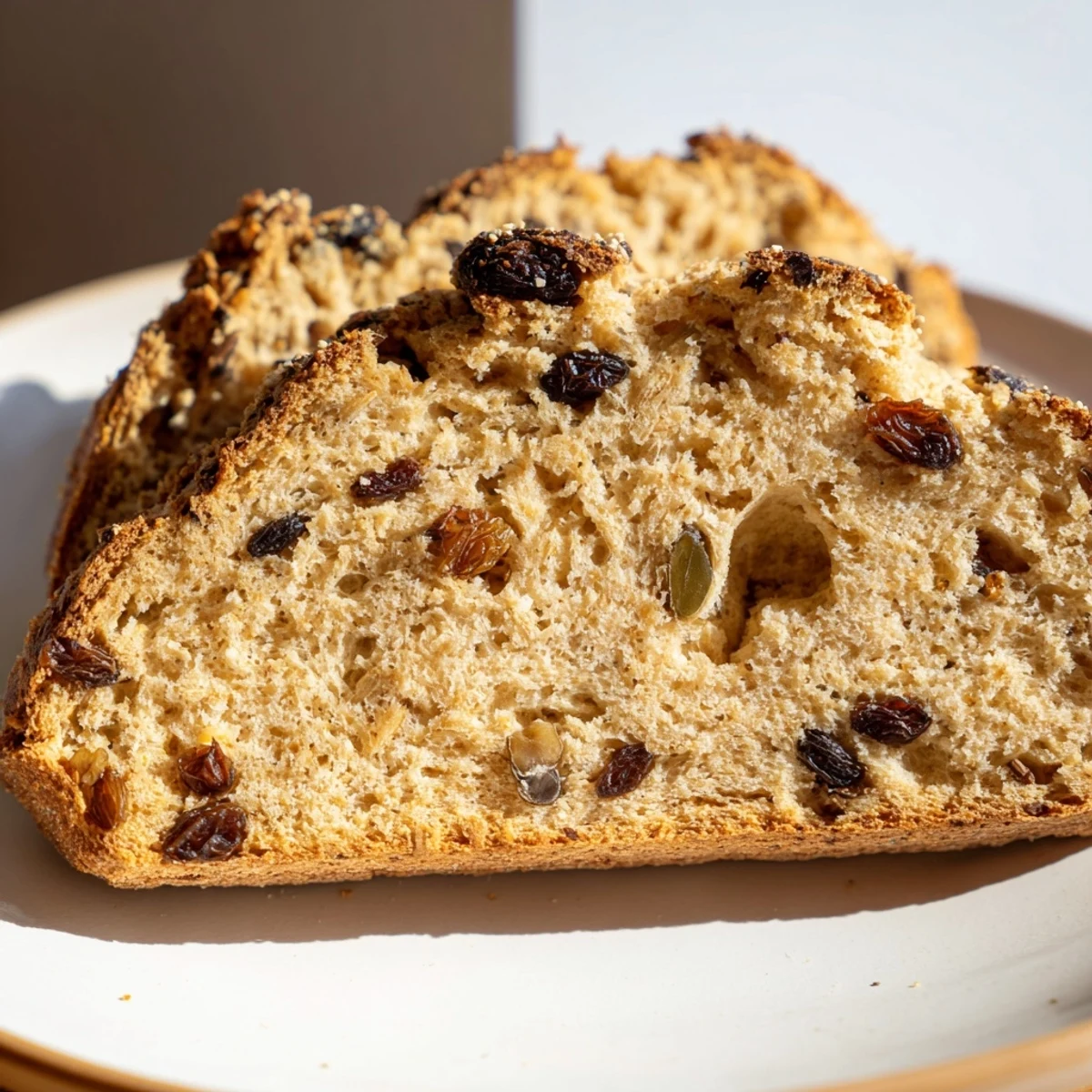
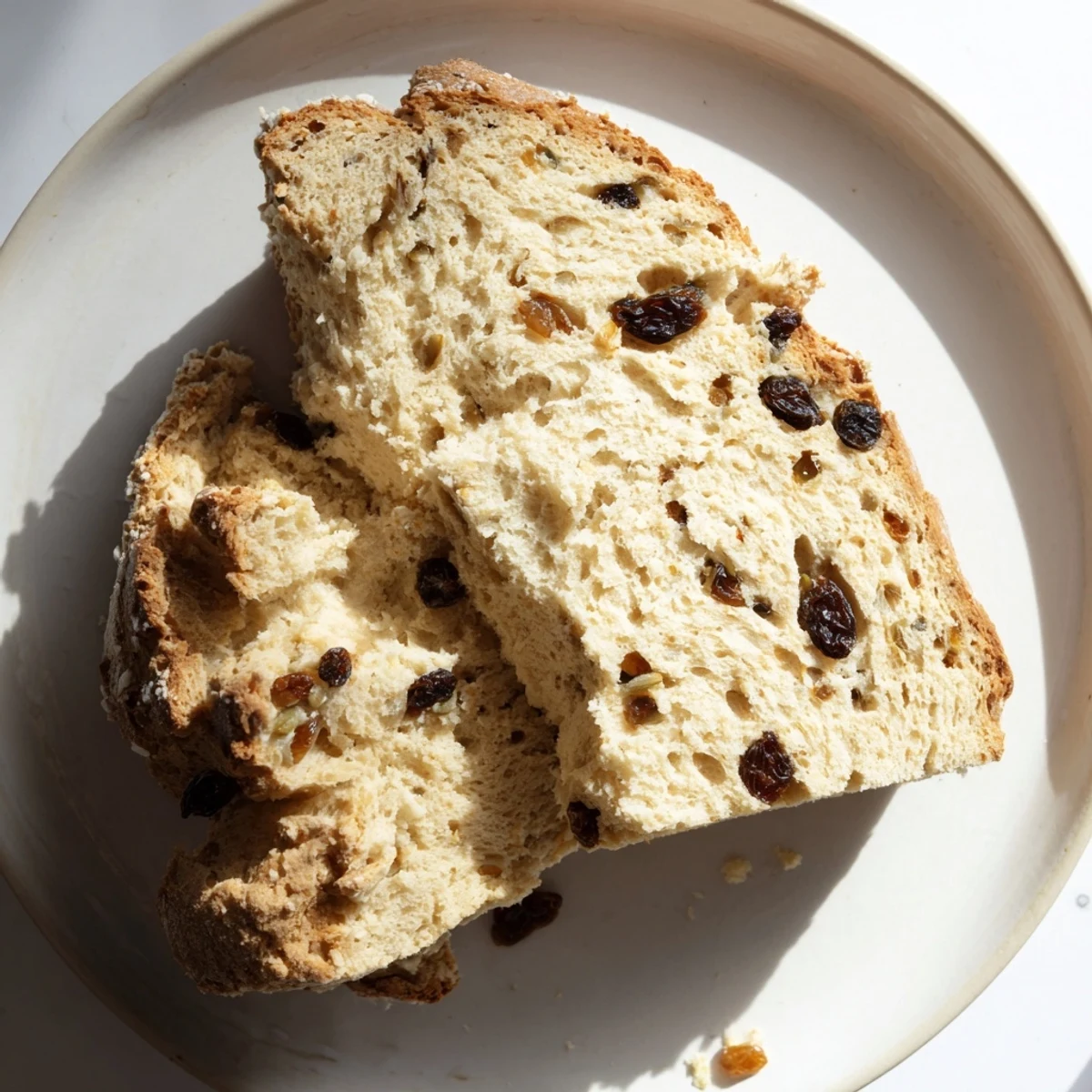
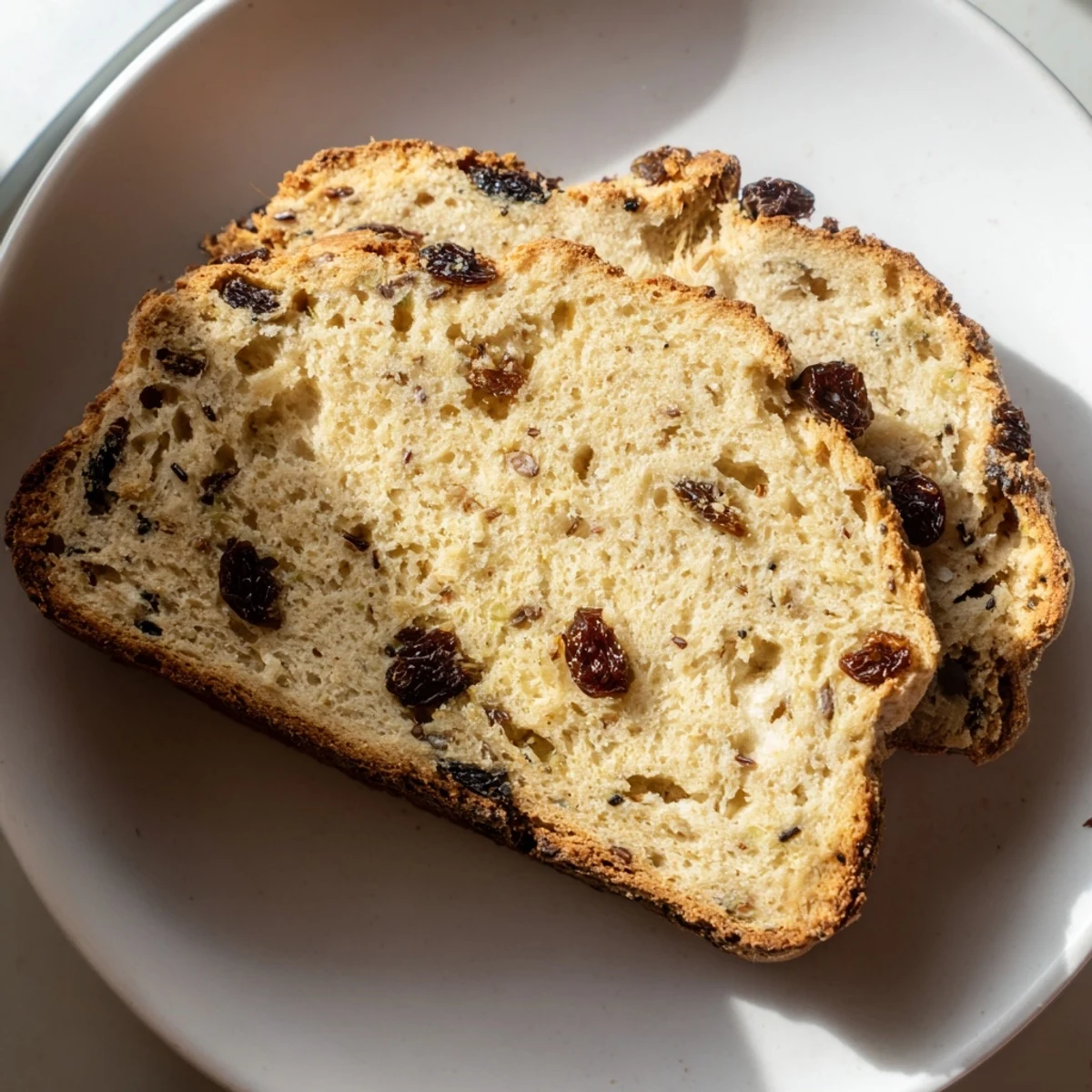
 This classic Irish quick bread blends tender crumb and golden crust, enhanced by sweet raisins and aromatic caraway seeds for a delightful flavor. Using buttermilk, baking soda, and simple mixing techniques, the bread is shaped, scored, and baked until golden brown. Perfect for a comforting snack or breakfast, it offers a moist, lightly sweetened texture with subtle anise-like notes from the caraway. Best enjoyed fresh and warm, this loaf also pairs wonderfully with butter or as toasted slices.
My apartment smelled like an Irish bakery that first morning I made this bread, the caraway seeds filling every corner with their warm, slightly licorice scent. I had invited three friends over for a St. Patrick's Day breakfast, completely confident in my ability to throw together a quick bread. What I didn't expect was how the ritual of cutting that deep X into the dough would feel so grounding, like I was connecting with generations of home bakers who'd done the exact same motion before me.
Last winter, during that week where it snowed for three days straight, I made this bread four times. Each loaf disappeared faster than the last, especially when I served it warm with a generous slather of salted butter. My roommate started leaving subtle hints about when the next batch might be ready, mostly by strategically positioning the butter dish on the counter.
Ingredients
- 4 cups (500 g) all-purpose flour: The foundation of your bread, providing structure and that satisfying heft
- 1/4 cup (50 g) granulated sugar: Just enough to lightly sweeten the crumb without making it dessert-like
- 1 1/2 teaspoons baking soda: The leavening agent that works instantly with buttermilk's acidity
- 1 1/2 teaspoons kosher salt: Enhances all the flavors and balances the raisins' sweetness
- 1 tablespoon caraway seeds: These tiny seeds bring that distinctive Irish flavor and aromatic warmth
- 1 cup (150 g) raisins: Plump little pockets of sweetness throughout every slice
- 1 3/4 cups (420 ml) buttermilk: Essential for reacting with baking soda and creating tenderness
- 1 large egg, lightly beaten: Adds richness and helps the crumb hold together beautifully
- 4 tablespoons (60 g) unsalted butter, melted and cooled: Contributes flavor and a softer texture
Instructions
- Get your oven ready:
- Preheat oven to 400°F (200°C) and line a baking sheet with parchment paper or give it a light coating of butter.
- Whisk the dry ingredients:
- In a large bowl, combine flour, sugar, baking soda, salt, and caraway seeds until everything's evenly distributed.
- Add the raisins:
- Stir in the raisins until they're coated in flour, which prevents them from clumping together in the dough.
- Mix the wet ingredients:
- In a separate bowl, whisk together buttermilk, egg, and melted cooled butter until well combined.
- Bring it together:
- Make a well in the center of your dry ingredients and pour in the wet mixture. Stir with a wooden spoon just until a shaggy dough forms.
- Gentle kneading:
- Turn the dough onto a lightly floured surface and knead gently 5 to 8 times. Shape into a round loaf about 7 or 8 inches across.
- Score the top:
- Place on your prepared baking sheet and use a sharp knife to cut a deep X across the top of the loaf.
- Bake to golden:
- Bake for 35 to 40 minutes until deeply golden brown, tenting with foil after 25 minutes if the top browns too quickly.
- Patient cooling:
- Let the loaf rest on a wire rack for at least 20 minutes before slicing into it.
 Pin It
 My grandmother would have loved this bread, especially how the caraway seeds remind her of the rye bread she grew up eating in Brooklyn. I like to think that every time I cut that X into the dough, I'm part of some unbroken chain of home bakers, all making something nourishing and simple.
Making It Your Own
One afternoon I ran out of raisins and used dried cranberries instead, and honestly, that tart little twist has become a household favorite. The caraway seeds can be polarizing though, so if you're serving confirmed skeptics, try reducing them to half a tablespoon or swapping for fennel seeds for a milder aroma.
The Butter Secret
Brushing the warm loaf with melted butter right after it comes out of the oven creates this incredibly soft, fragrant crust that I can't resist. It's an extra step I learned from an Irish baker who insisted it was the difference between good bread and great bread.
Leftover Magic
This bread develops a slightly firmer texture the next day, which actually makes it perfect for toasting. I've been known to bake a loaf specifically with tomorrow's breakfast in mind.
- Try it toasted with a sharp cheddar cheese for an unexpected snack
- Leftover slices make incredible bread pudding when cubed and soaked overnight
- Freeze individual slices wrapped in plastic for emergency toast situations
 Pin It
 There's something profoundly satisfying about making bread that doesn't require patience or precision, just a bowl and a willingness to get your hands a little dusty with flour.
Recipe FAQs
- → What gives this bread its distinctive flavor?
-
The combination of sweet raisins and fragrant caraway seeds creates its unique, aromatic taste.
- → Can I substitute the raisins with other dried fruits?
-
Yes, currants or dried cranberries can be used as flavorful alternatives.
- → Why is buttermilk used in the batter?
-
Buttermilk reacts with baking soda to create a tender crumb and slight tanginess.
- → How should I shape the dough before baking?
-
Gently knead until just combined, then form into a round loaf about 7–8 inches in diameter.
- → What is the purpose of cutting an X on top before baking?
-
The deep X allows steam to escape and helps the loaf expand evenly while baking.