
 Pin It
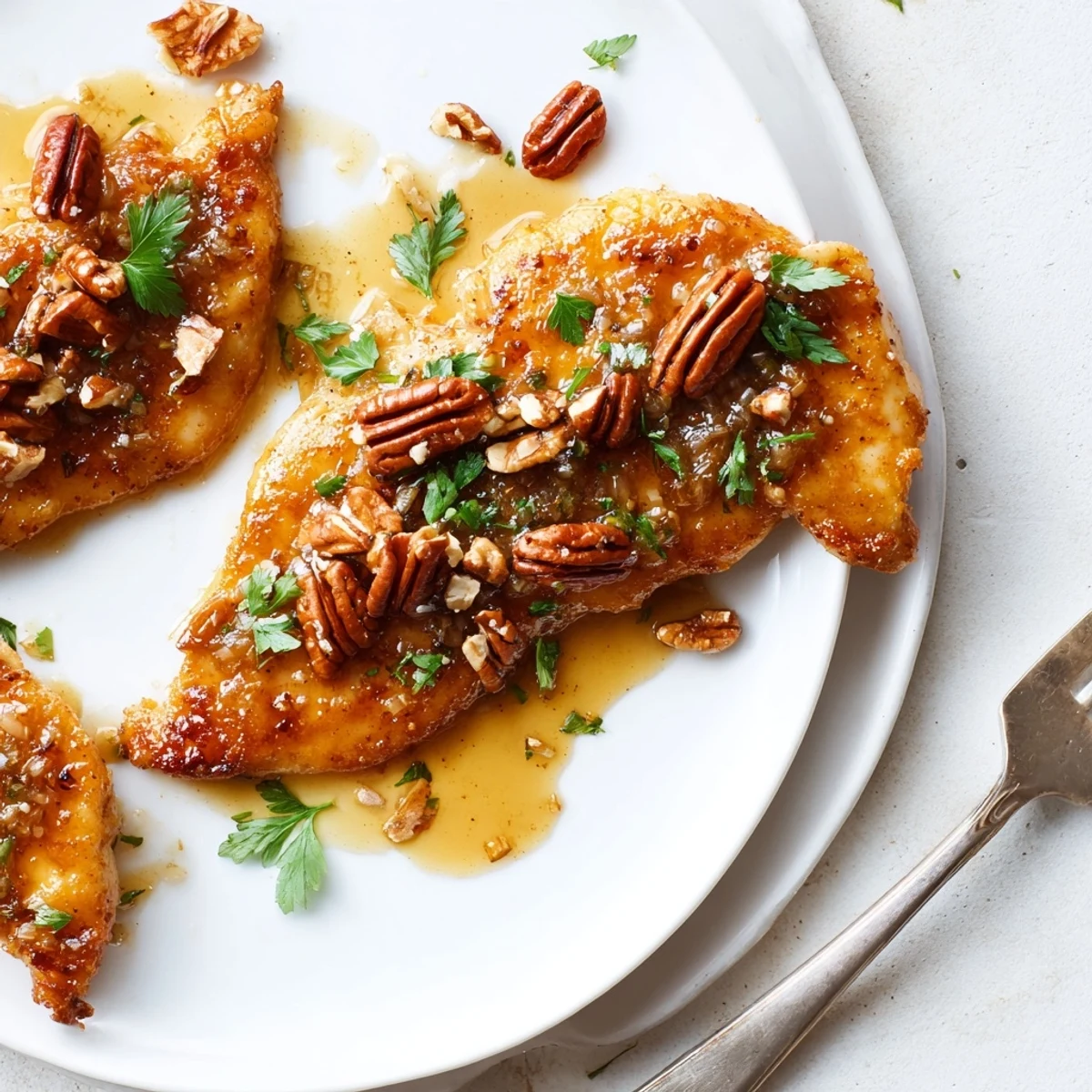
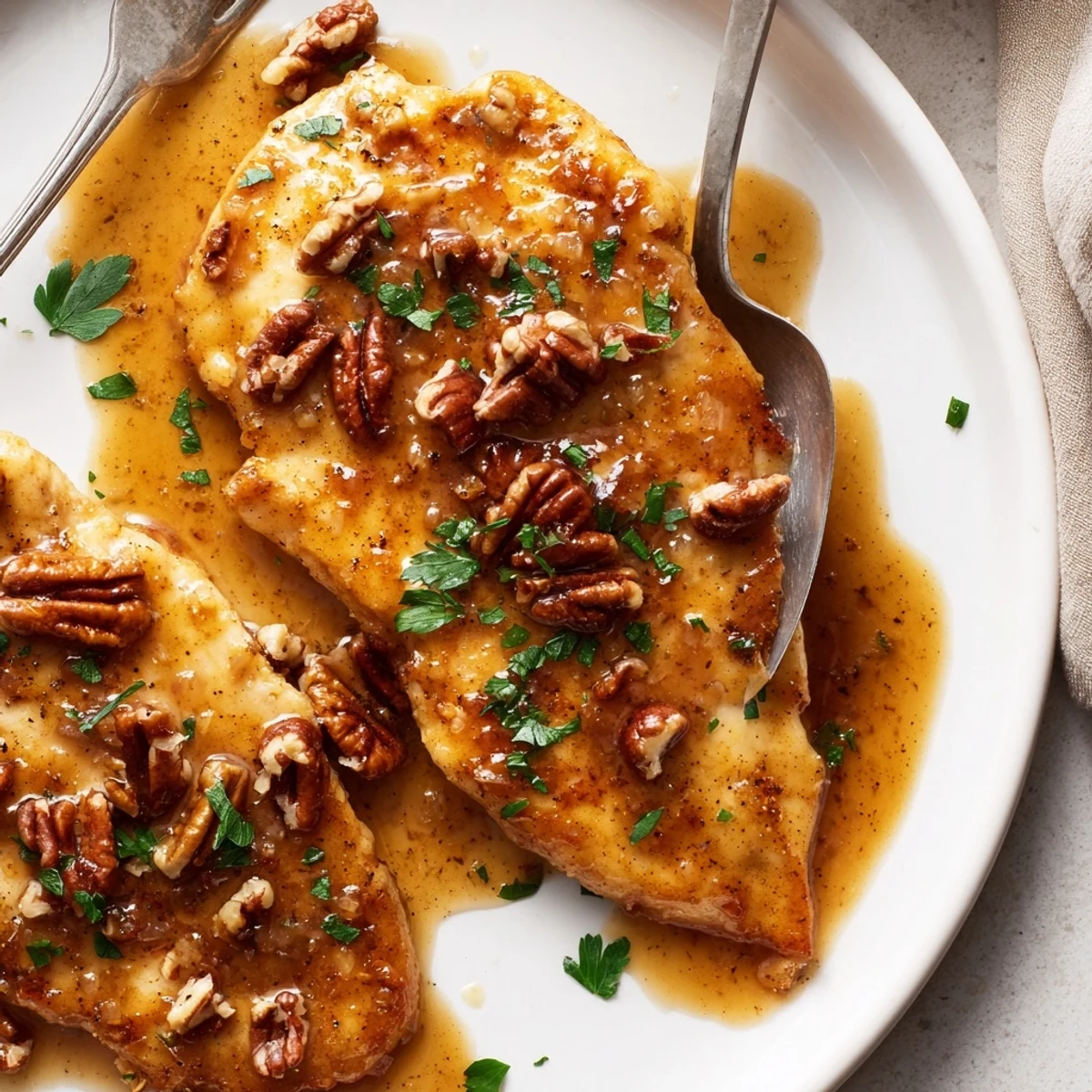
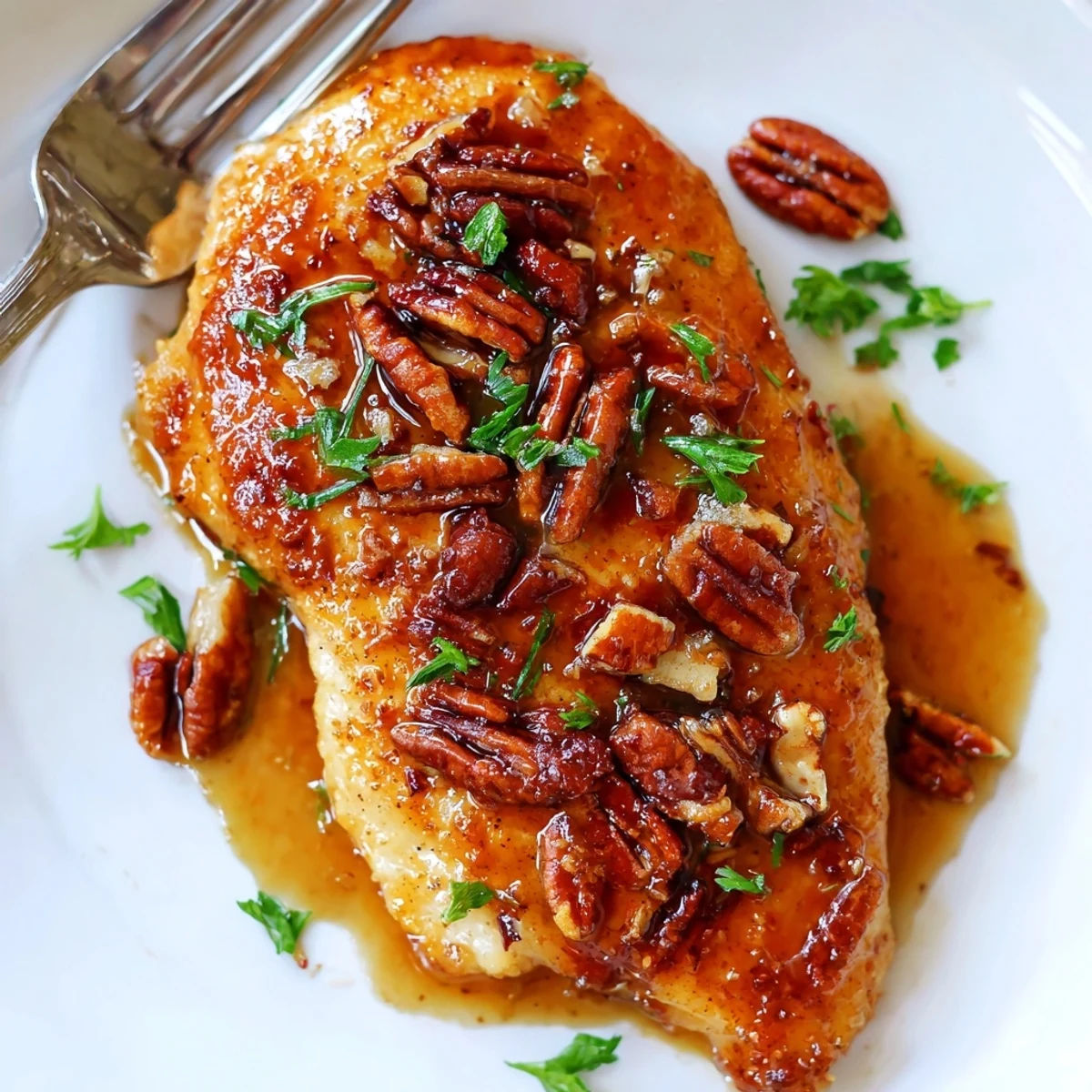
 Pan-seared chicken breasts are lightly dredged in flour, then coated in a honey-garlic, soy and Dijon glaze. After searing, the chicken simmers in the sauce 10–12 minutes until fully cooked, then is topped with quickly toasted pecans for crunch. Serve over rice, quinoa or greens; swap maple for honey or add red pepper flakes for heat.
The sound of pecans clicking against the cutting board always pulls me right back to a rainy Tuesday evening when I threw this dish together on pure instinct and wound up scraping the pan clean with a spoon. Honey and garlic had been whispering at me from the pantry for days, and the pecans were leftover from a holiday baking binge that never happened. What started as a desperate weeknight effort became the meal my roommate requested every single Monday for a month straight.
I served this to my sister the night she got her first real job offer, and she paused mid chew, pointed her fork at me, and said nothing for about ten seconds. That silence told me everything. We still talk about that dinner, and now she makes it for her own celebrations.
Ingredients
- 4 boneless, skinless chicken breasts: Try to buy ones of similar thickness so they finish cooking at the same time and nobody gets a dry piece.
- Salt and freshly ground black pepper: Season with enough confidence that you can see it on the surface, because the flour layer will mute it slightly.
- 2 tbsp all purpose flour: This thin coating is the secret to getting a golden crust that actually holds up in the sauce.
- 1/3 cup honey: Use a good quality honey because it is the backbone of the entire glaze and cheap honey tastes flat here.
- 3 tbsp soy sauce: Grab low sodium if you can, since the reduction concentrates saltiness more than you might expect.
- 4 cloves garlic, minced: Fresh garlic only, because the jarred stuff loses the sharp sweetness that makes this sauce sing.
- 2 tbsp Dijon mustard: This adds a subtle tang that balances the honey and most people never guess it is in there.
- 2 tbsp unsalted butter: Dividing it between searing and saucing gives you control over both the crust and the richness of the glaze.
- 3/4 cup pecan halves, roughly chopped: Toasting them separately in a dry pan is a step you should never skip because raw pecans on hot chicken taste like a missed opportunity.
- 2 tbsp fresh parsley, chopped: Optional technically, but the bright green pop makes the dish look finished and adds a freshness that cuts through the sweetness.
Instructions
- Prep and dredge the chicken:
- Pat the chicken breasts dry with paper towels, season both sides generously with salt and pepper, then lightly dredge each one in flour and shake off every bit of excess so you get a delicate crust instead of a gummy coating.
- Sear until golden:
- Melt one tablespoon of butter in a large skillet over medium high heat, then lay the chicken in without crowding and let it cook undisturbed for three to four minutes per side until you see a deep golden color that promises good flavor.
- Wake up the garlic:
- Drop the heat to medium, add the remaining butter, toss in the minced garlic, and stir for about a minute just until your kitchen smells incredible and before the garlic even thinks about turning brown.
- Build the glaze:
- Pour in the honey, soy sauce, and Dijon mustard, then stir everything together while scraping up every last golden bit stuck to the bottom of the pan because that is where the best flavor lives.
- Braise in the sauce:
- Nestle the chicken back into the skillet, spoon sauce over each piece, cover with a lid, and let it gently cook for ten to twelve minutes until the thickest part of the breast hits 165 degrees Fahrenheit.
- Toast the pecans:
- While the chicken finishes, toss the chopped pecans in a separate dry skillet over medium heat, stirring constantly for two to three minutes until they smell nutty and warm and you cannot resist sneaking one.
- Bring it all together:
- Transfer the chicken to plates, pile the toasted pecans on top while everything is still hot, and spoon every bit of remaining pan sauce over so nothing is left behind.
 Pin It
 There was a night I doubled this recipe for a small dinner party and forgot to toast the pecans, and the whole table noticed immediately. That is when I realized this dish had become more than a weeknight convenience in my kitchen. It had become something people actually looked forward to.
What to Serve Alongside
Rice is the obvious choice because it drinks up every drop of extra sauce, but I have also served this over quinoa when I wanted something with more texture and a slightly nutty backbone that echoes the pecans. Steamed green beans or roasted asparagus work beautifully on the side, adding a clean crunch that lets the richness of the glaze shine without competing.
Swaps and Variations
Maple syrup steps in for honey with ease and gives the dish an autumnal warmth that feels completely different but equally worth making. A pinch of red pepper flakes in the sauce adds a gentle heat that plays beautifully against the sweetness, and I recommend trying it at least once. If pecans are not your thing, walnuts or sliced almonds work, though you will lose some of the buttery richness that makes pecans the ideal match here.
Storing and Reheating
Leftovers keep well in an airtight container in the refrigerator for up to three days, though the pecans will soften over time and lose some of their magic. Reheat gently in a covered skillet with a splash of water to loosen the sauce rather than using a microwave, which can toughen the chicken.
- Store the pecans separately if you think you will have leftovers so you can add them fresh each time.
- A glass of Sauvignon Blanc or Chardonnay alongside this dish is genuinely worth the effort of opening a bottle.
- Always double check your soy sauce label if cooking for someone with gluten sensitivity because not all brands are created equal.
 Pin It
 This is the kind of recipe that earns a permanent spot in your rotation not because it is flashy but because it delivers every single time with minimal fuss and maximum flavor. Make it once and you will find yourself reaching for the honey and pecans without even thinking about it.
Recipe FAQs
- → How do I prevent the honey from burning?
-
Add the honey once the heat is reduced to medium, then stir and simmer gently. Keep the pan moving and avoid high heat after adding sugars to prevent scorching.
- → Can I substitute the pecans with other nuts?
-
Yes. Toasted almonds, walnuts, or hazelnuts provide a similar crunch and toasty flavor; chop them roughly and toast briefly in a dry skillet before topping the chicken.
- → How can this be made gluten-free?
-
Use a gluten-free all-purpose flour or cornstarch for dredging and replace soy sauce with tamari or a gluten-free soy alternative to keep the dish gluten-free.
- → What indicates the chicken is fully cooked?
-
Check that the internal temperature reaches 165°F (74°C) with a probe thermometer, or slice into the thickest part to ensure juices run clear and there is no pink center.
- → How should I toast the pecans for best flavor?
-
Toast pecans in a dry skillet over medium heat, stirring constantly for 2–3 minutes until fragrant and lightly browned. Cool briefly before chopping and using as a topping.
- → What sides and wine pair well with this dish?
-
Serve with steamed green beans, rice or quinoa to soak up the glaze. For wine, a crisp Sauvignon Blanc or a lightly oaked Chardonnay complements the sweet-savory profile.