
 Pin It
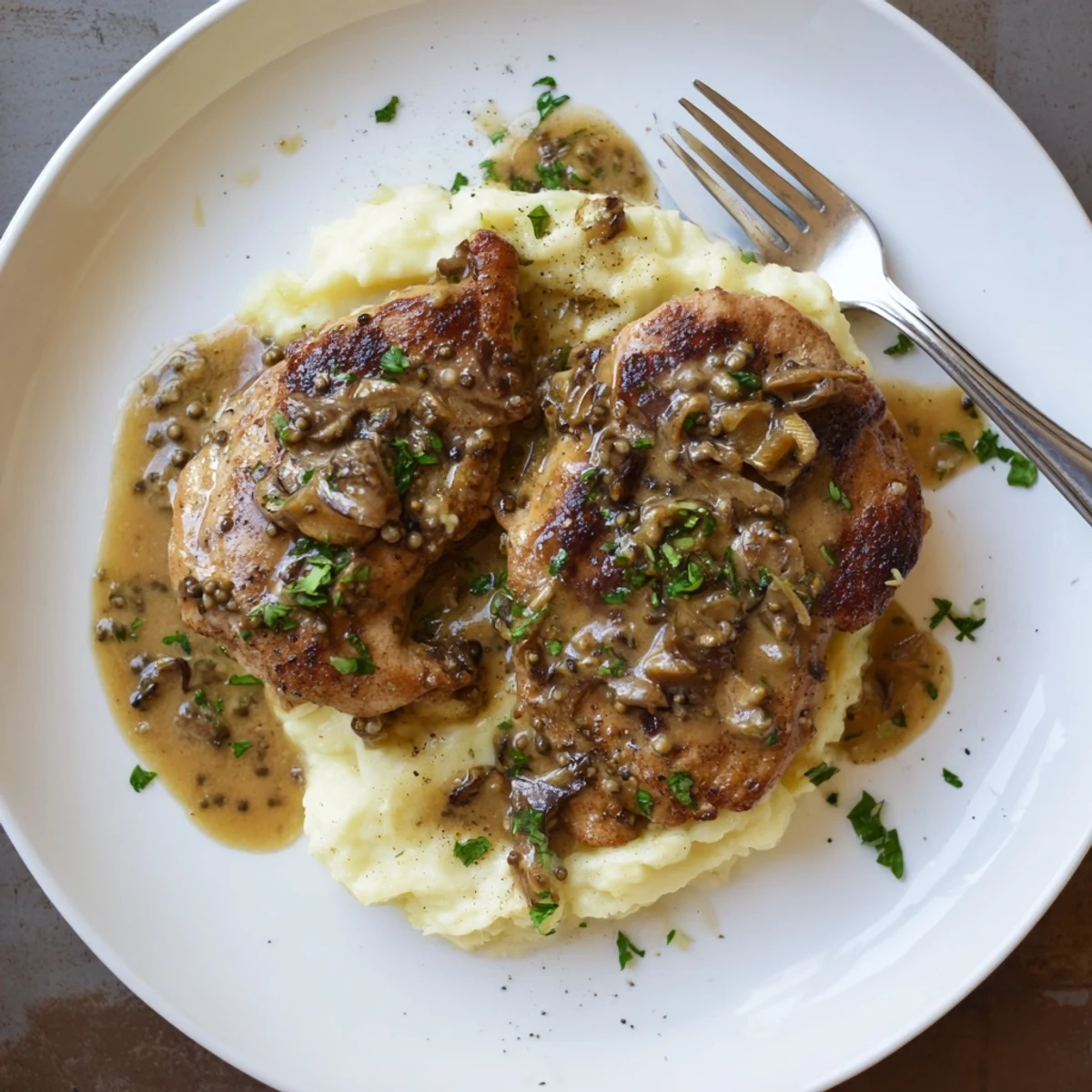
 Pan-seared chicken breasts are browned, then finished in a silky sauce of Dijon and wholegrain mustard, chicken stock, cream and a touch of honey. Onions and garlic provide a savory base; simmer 15–20 minutes until the chicken is cooked through and the sauce reduces. Stir in fresh tarragon and garnish with parsley. Serve with rice, mashed potatoes or crusty bread and swap thyme or crème fraîche for variations.
The smell of toasted mustard seeds hit me before I even realized what was happening in my friend Colettes tiny Paris kitchen. She was dumping spoonfuls of Dijon into a sputtering pan with the confidence of someone who had never once measured anything. That sauce clung to the chicken like it belonged there, and honestly, it did.
I made this on a rainy Tuesday when the fridge was nearly empty and motivation was even lower. Four chicken breasts, some cream, and a jar of mustard somehow turned into the kind of meal that makes you sit down and eat in complete silence because it is that satisfying.
Ingredients
- 4 boneless, skinless chicken breasts, about 600 g: Uniform thickness matters here so they cook evenly and nobody ends up with a dry piece while waiting for the thickest cut to finish.
- 200 ml heavy cream: This is the backbone of the sauce and light cream simply will not give you the same luxurious coating.
- 2 tbsp Dijon mustard: The sharp, smooth foundation that dissolves into the sauce and makes everything taste distinctly French.
- 1 tbsp wholegrain mustard: Those little seeds add a pop of texture and a milder heat that balances the Dijon beautifully.
- 2 tbsp olive oil: A neutral oil works but olive oil adds a subtle fruitiness that rounds out the pan.
- 1 tsp honey: Just enough to tame the mustards bite without making anything taste sweet.
- 120 ml chicken stock: Homemade is ideal but a good quality store bought one works perfectly fine here.
- 2 cloves garlic, minced: Fresh garlic smashed and minced right before cooking gives the most fragrant result.
- 1 small onion, finely chopped: You want it small enough that it melts into the sauce rather than sitting in chunky pieces.
- 1 tbsp fresh tarragon, chopped, or 1 tsp dried: Tarragon is the secret herb that makes this unmistakably French, so do not skip it.
- Salt and freshly ground black pepper, to taste: Seasoning at every stage builds layers that you cannot fake at the end.
- Fresh parsley, chopped, for garnish: A bright finishing touch that also signals to everyone that dinner is ready.
Instructions
- Dry and season the chicken:
- Pat the chicken breasts thoroughly dry with paper towels and season both sides generously with salt and pepper. Dry skin means a better sear and a better sear means more flavor locked in.
- Get that golden sear:
- Heat olive oil in a large skillet over medium high heat until it shimmers, then lay the chicken in and let it cook undisturbed for about 4 minutes per side until deeply golden. Remove and set aside on a plate while you build the sauce.
- Soften the aromatics:
- In the same skillet with all those lovely browned bits, add the chopped onion and cook for about 3 minutes until softened and translucent. Stir in the garlic and cook for one minute more until your kitchen smells incredible.
- Bloom the mustards:
- Reduce the heat to medium and stir in both the Dijon and wholegrain mustard, mixing them into the onions and garlic. Let them cook for just a moment so their flavors open up and lose that raw sharpness.
- Build the sauce base:
- Pour in the chicken stock and bring it to a gentle simmer, using your wooden spoon to scrape up every last browned bit from the bottom of the pan. Those stuck on pieces are pure concentrated flavor and they belong in the sauce.
- Add cream and return the chicken:
- Stir in the heavy cream and honey until smooth, then nestle the chicken breasts back into the skillet. Spoon some sauce over the top of each piece so nothing dries out.
- Simmer until perfect:
- Let everything simmer uncovered for 15 to 20 minutes until the chicken is cooked through and the sauce has thickened enough to coat the back of a spoon. Resist the urge to crank the heat or the cream may break.
- Finish with herbs:
- Stir in the chopped tarragon, taste and adjust the seasoning, then scatter fresh parsley over the top before bringing the skillet straight to the table.
 Pin It
 One night I served this to my neighbor who claims she does not like mustard and she asked for the recipe before she even finished chewing her last bite.
What to Serve Alongside
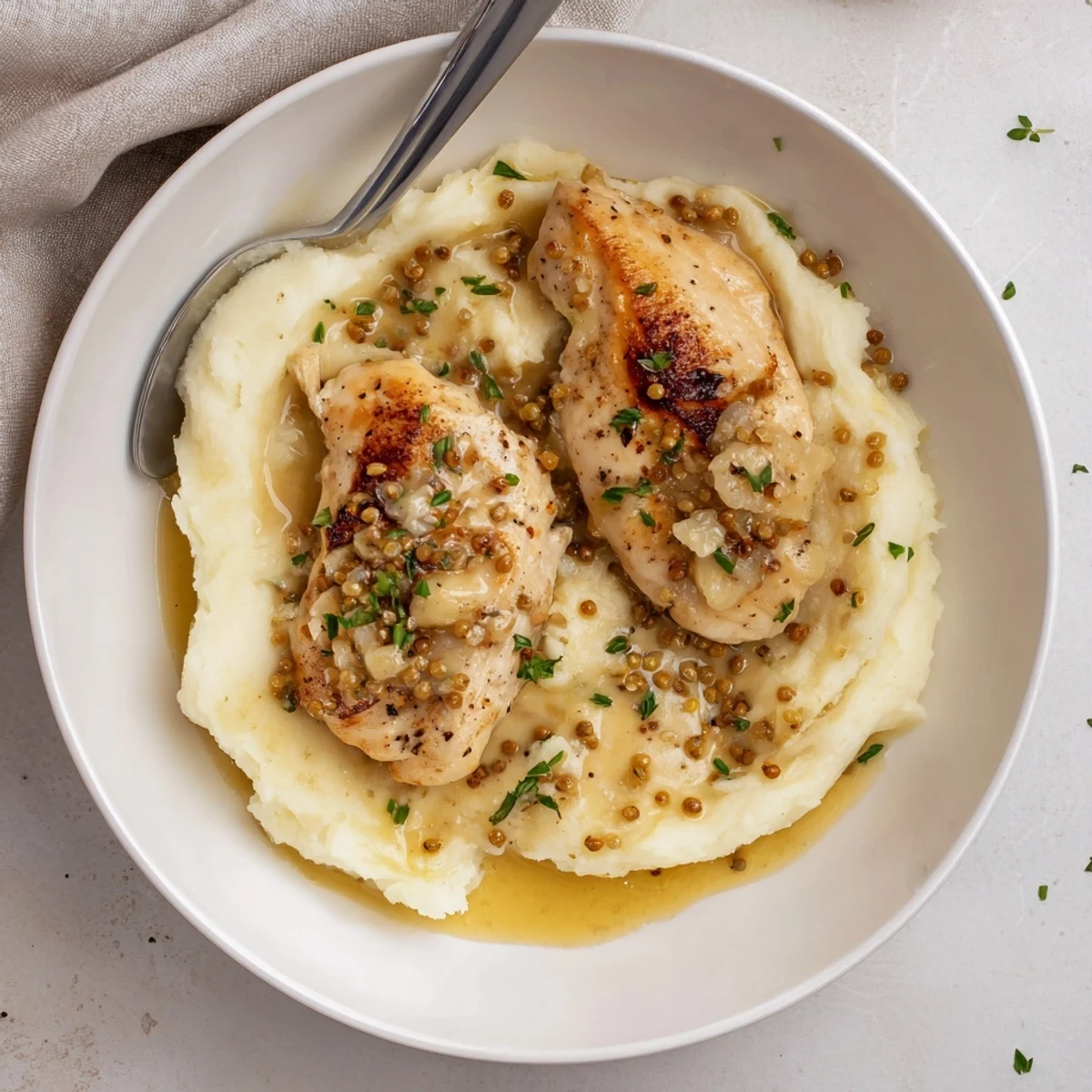
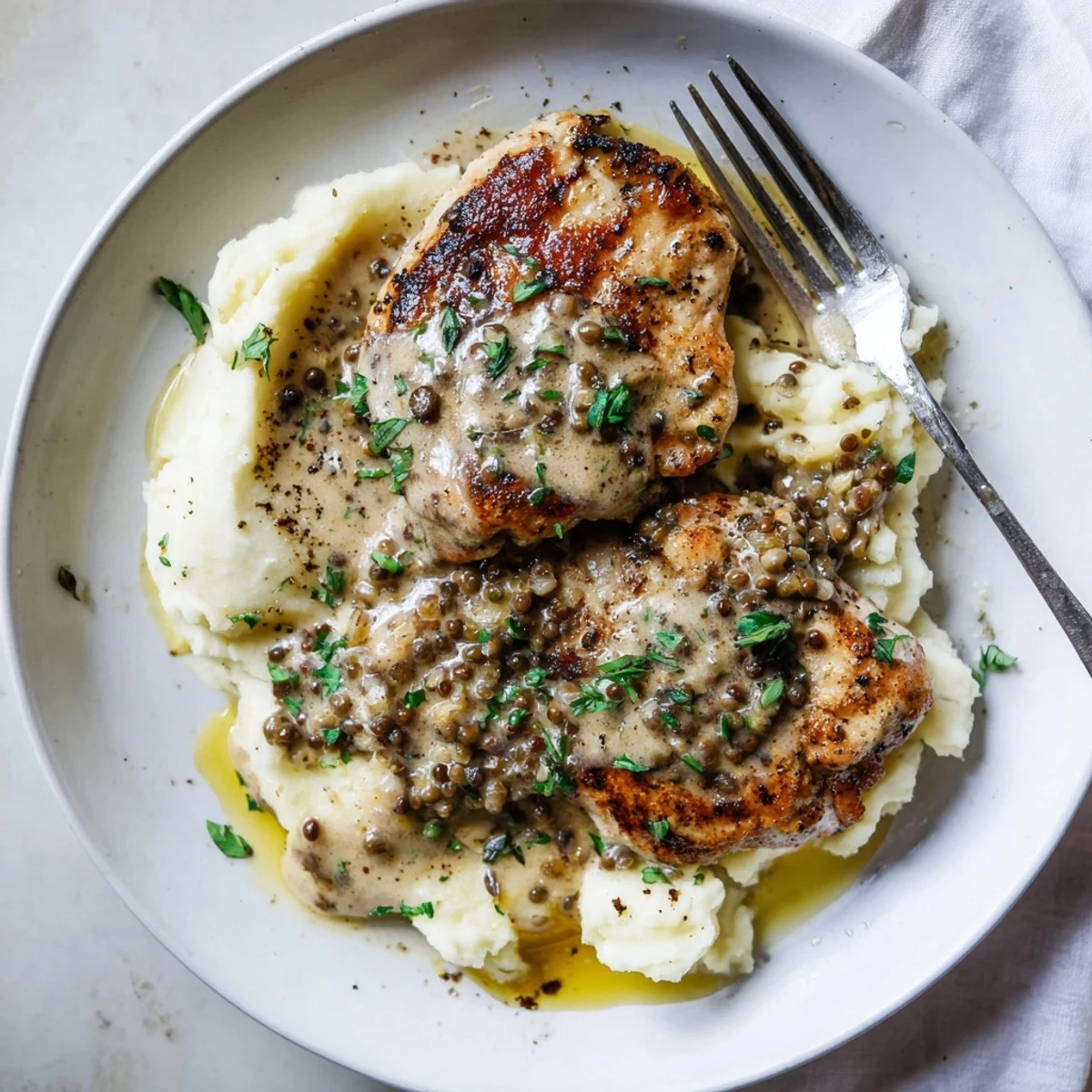
Mashed potatoes are the obvious move and for good reason, but buttered egg noodles or a simple pot of white rice also do an admirable job of soaking up every drop. A pile of steamed green beans or a bitter arugula salad on the side cuts through the richness perfectly.
Swaps and Substitutions
If you cannot find fresh tarragon, thyme or chives step in nicely with a slightly different but still wonderful herbal character. Creme fraiche or even a good dollop of plain Greek yogurt can replace the heavy cream if you want something a touch lighter.
Storage and Reheating
This reheats beautifully the next day as long as you do it gently over low heat on the stove rather than blasting it in the microwave. The sauce will thicken considerably in the fridge so add a splash of stock or water when warming it back up.
- Store leftovers in an airtight container for up to three days.
- Freeze the sauce separately from the chicken for the best texture later.
- Never reheat more than once because the cream sauce will not forgive you.
 Pin It
 Some dinners are about sustenance and others are about the way a single smell can transport you back to a cramped kitchen halfway across the world. This one is both.
Recipe FAQs
- → What cut of chicken works best?
-
Boneless, skinless breasts cook quickly and hold the sauce well; you can use thighs for more fat and flavor, but increase simmering time until fully cooked.
- → How do I thicken the mustard cream sauce?
-
Reduce the sauce over medium heat until it coats the spoon. For extra thickness, whisk a small slurry of cornstarch and cold water into the simmering sauce, or finish with a spoonful of crème fraîche.
- → Can I make a lighter version?
-
Use light cream or swap some cream for crème fraîche and reduce the amount of oil used for searing. Increasing the stock-to-cream ratio also lightens the sauce.
- → How should leftovers be stored and reheated?
-
Cool quickly and refrigerate in an airtight container for 2–3 days. Reheat gently over low heat on the stovetop to prevent the cream from breaking; add a splash of stock if the sauce tightens.
- → What herbs pair well with the mustard sauce?
-
Fresh tarragon is classic for its anise notes; thyme or chives are good alternatives that keep the profile bright without overpowering the mustard.
- → What wine pairs with this dish?
-
A lightly oaked Chardonnay complements the creamy mustard sauce, while a crisp white like Sauvignon Blanc can cut through the richness for balance.