
 Pin It
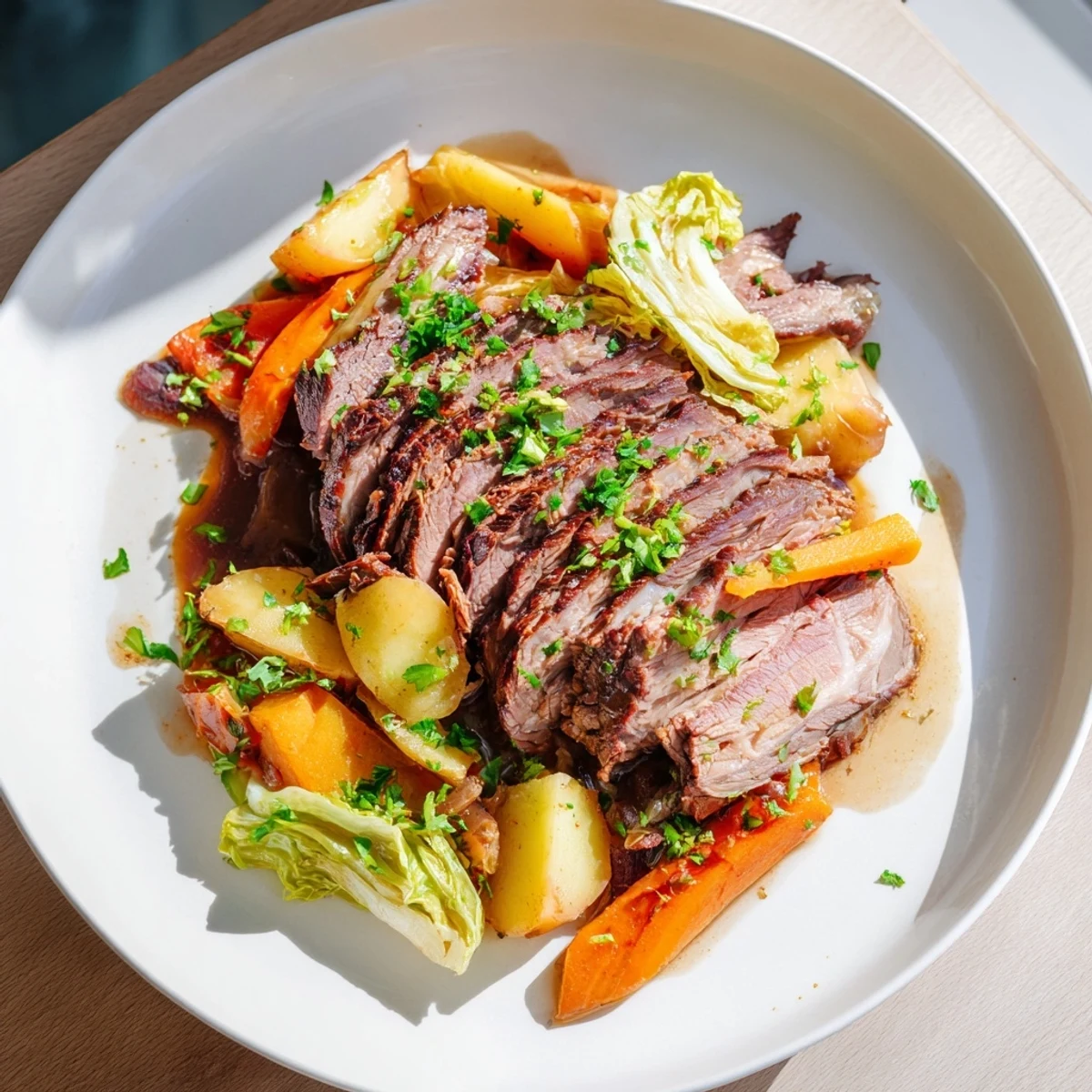
 This halal-friendly version of the traditional Irish dish features tender beef brisket simmered with aromatic spices, paired with cabbage and root vegetables. Perfect for St. Patrick's Day celebrations, this hearty one-pot meal delivers rich flavor while adhering to halal dietary requirements.
The brisket slowly cooks with bay leaves, peppercorns, cloves and other spices before adding carrots, potatoes, rutabaga and cabbage. After about 3 hours of cooking, you'll have a complete meal that serves 6 and can be garnished with fresh parsley and served with mustard or horseradish.
The first time I made halal corned beef and cabbage, I was nervous about capturing the essence of this Irish classic while respecting halal requirements. The kitchen filled with the warm aroma of cinnamon and coriander as the brisket simmered—spices that weren't in my Irish grandmother's version but created something wonderfully new. My Pakistani neighbor stopped by, drawn by the scent, and laughed when I explained I was making a halal St. Patrick's Day feast.
Last St. Patricks Day, I invited friends from various backgrounds to share this meal, uncertain if my adaptation would feel authentic enough. As my Muslim colleague took his first bite, his eyes widened with appreciation, and my Irish-American roommate reached for seconds without hesitation. The dish somehow managed to honor both traditions while creating something uniquely ours, steaming on the table as snow fell outside our Brooklyn apartment.
Ingredients
- Halal beef brisket: The star of the show needs to be certified halal, and I prefer asking the butcher for a piece with good marbling for the most tender result.
- Spice blend: The combination of bay leaves, peppercorns, cloves, mustard seeds, coriander and cinnamon creates a warming aroma that transforms the kitchen.
- Cabbage: Look for a firm, heavy green cabbage with tightly packed leaves for the best texture after cooking.
- Rutabaga: This underrated root vegetable absorbs the broth beautifully and adds a slight sweetness that balances the savory meat.
Instructions
- Prepare the brisket:
- Rinse your halal beef brisket under cold running water, feeling for any excess fat you might want to trim. Place it in your largest stockpot where it can swim comfortably in the aromatic bath we're about to create.
- Create the spice bath:
- Add water, all your whole spices, garlic, and quartered onion to the pot with the brisket. As it comes to a gentle boil, youll notice the first whispers of aroma that will soon fill your entire home.
- The long simmer:
- Reduce to a simmer, cover, and let time work its magic for two hours. Occasionally skim off any foam that rises to the surface like skimming clouds from a blue sky.
- Add the hardy vegetables:
- When the meat has had its time, introduce the carrots, potatoes, and rutabaga to the party. They need about 30 minutes to soften and absorb all those wonderful flavors.
- Introduce the cabbage:
- Cabbage needs less time than you might think. Those vibrant green wedges transform in just 15 minutes, becoming tender while maintaining some integrity.
- Rest and slice the meat:
- The brisket deserves a short rest after its aromatic bath. After 10 minutes, slice it against the grain into succulent pieces that should nearly fall apart under your knife.
- Serve with flair:
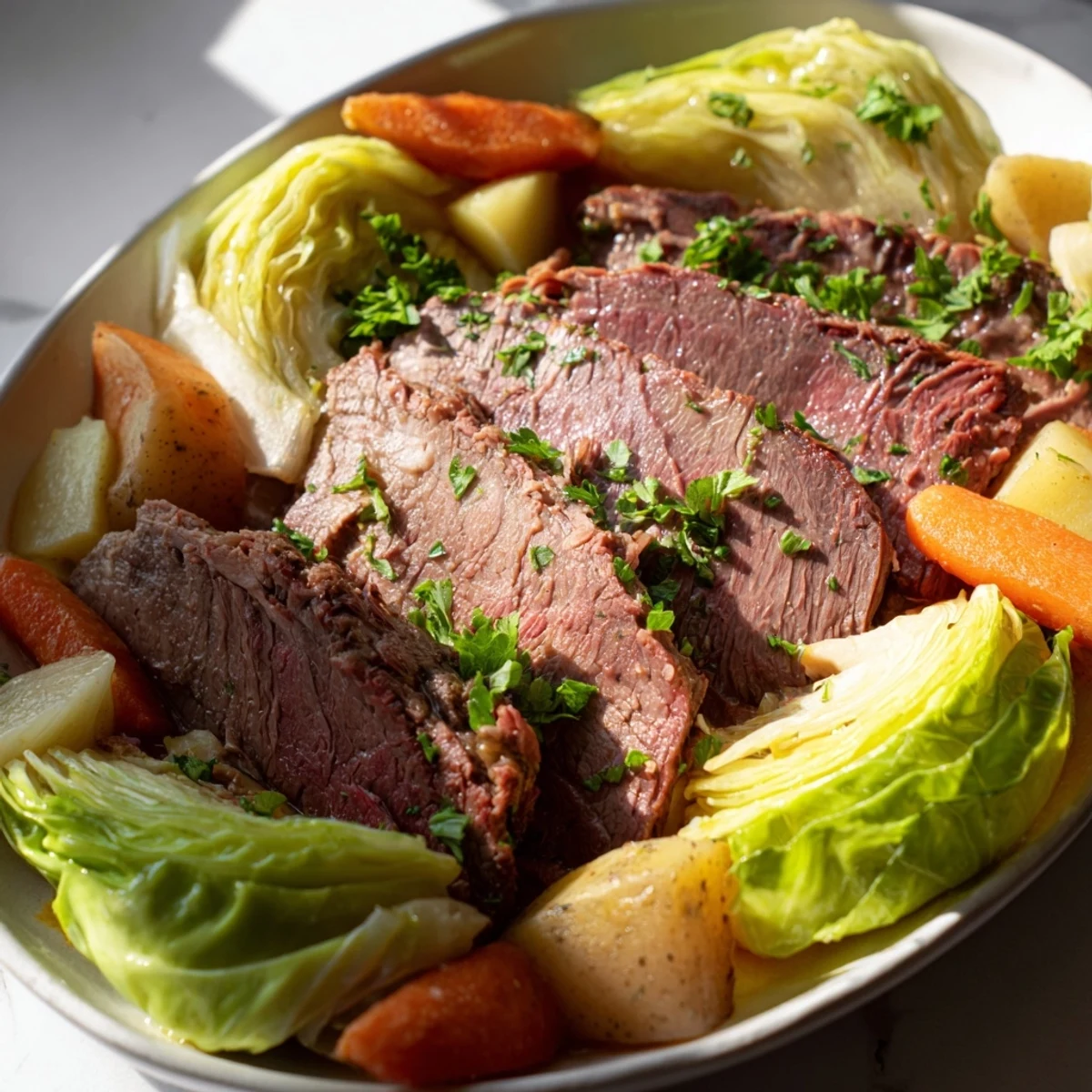
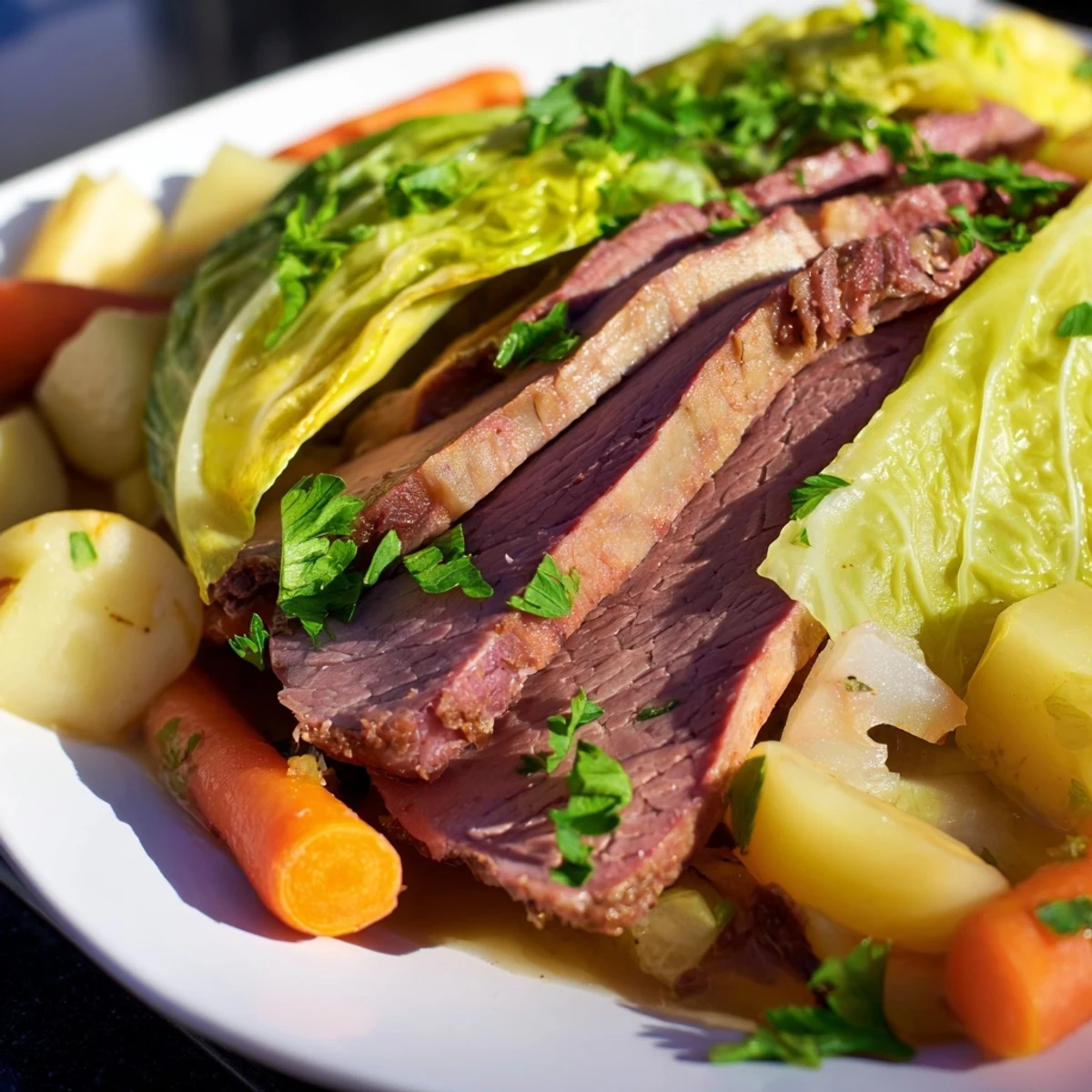
- Arrange your creation on a large platter, the jewel-toned vegetables surrounding the sliced meat. A light drizzle of broth and scatter of bright parsley completes this feast for both eyes and palate.
 Pin It
 During Ramadan last year, I adapted this recipe for iftar, serving it alongside traditional dates and sweets. Watching my diverse group of friends pass this steaming platter around the table as conversation flowed between English, Arabic, and laughter reminded me that food can transcend its origins. The dish had traveled from Ireland to America to my halal kitchen, picking up stories and adaptations along the way, yet somehow remained comforting and familiar to everyone who shared it.
Seasoning Secrets
I experimented with this recipe four times before landing on the perfect spice balance. Too much cinnamon overwhelms, while too little leaves the broth one-dimensional. The whisper of coriander seeds provides an unexpected brightness that complements the earthy beef, creating a broth so good youll want to save it for soup the next day.
Make It Ahead
This dish actually improves overnight as the flavors meld and deepen. When I cook it for Tuesday gatherings, I often prepare it entirely on Monday, refrigerate it separated into meat and vegetables, then gently reheat it all together with a splash of fresh broth. The flavors concentrate beautifully, and having it ready saves me from kitchen stress when guests arrive.
Serving Suggestions
While traditional Irish soda bread would be the classic accompaniment, I often serve this with warm naan or flatbread to honor its halal adaptation. The bread becomes a perfect vehicle for soaking up the aromatic broth, ensuring not a drop of flavor is wasted.
- Set out small dishes of coarse grain mustard, prepared horseradish, and a simple herb butter for guests to customize their plates.
- A crisp green salad with a light vinaigrette provides welcome brightness against the rich, savory main dish.
- For beverages, consider serving alcohol-free apple cider or a pot of Irish breakfast tea to complement the meal.
 Pin It
 This halal corned beef and cabbage is more than just a meal, its a bridge between traditions that honors both while creating something new. May your table always be surrounded by friends who appreciate good food and the love that goes into making it.
Recipe FAQs
- → What makes this corned beef halal?
-
This version uses certified halal beef brisket instead of traditional corned beef which may contain non-halal ingredients. The seasoning approach with whole spices creates a similar flavor profile while maintaining halal compliance.
- → Can I prepare this dish ahead of time?
-
Yes, this dish actually tastes even better the next day as the flavors continue to develop. Simply reheat gently on the stovetop or in a slow cooker before serving.
- → What can I substitute for rutabaga?
-
Parsnips make an excellent substitute for rutabaga, or you can simply omit it and add extra potatoes or carrots instead for a more traditional version.
- → How can I tell when the beef is properly cooked?
-
The beef should be fork-tender, meaning a fork can easily pierce through the meat with little resistance. This typically happens after about 2-2.5 hours of simmering.
- → What side dishes pair well with this?
-
Traditional accompaniments include Irish soda bread, coarse mustard, or horseradish sauce. A simple green salad also complements the hearty nature of this dish nicely.
- → Can I make this in a slow cooker?
-
Yes, this dish adapts well to a slow cooker. Cook the beef with spices on low for 7-8 hours, then add vegetables for the final 1-2 hours until tender.