
 Pin It
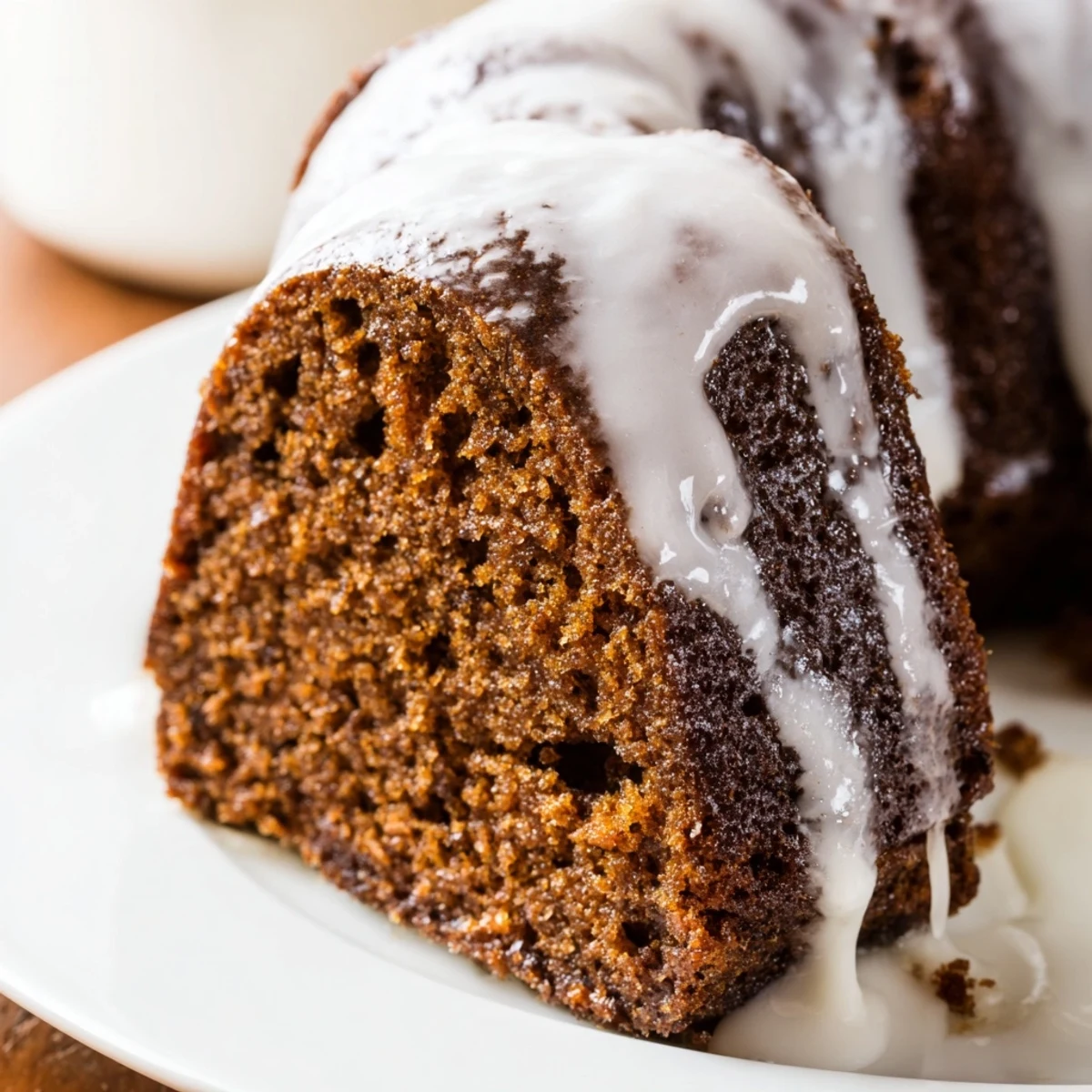
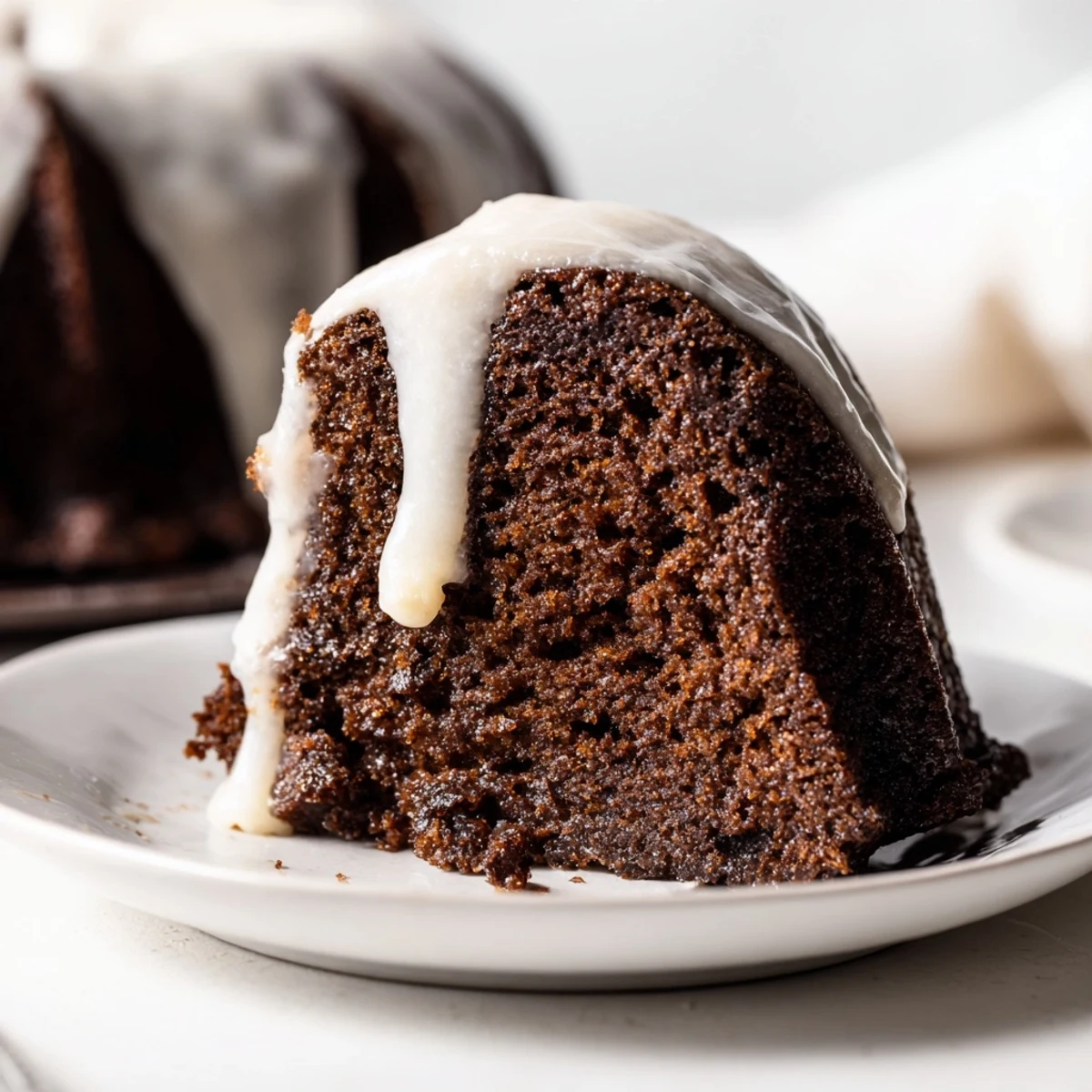
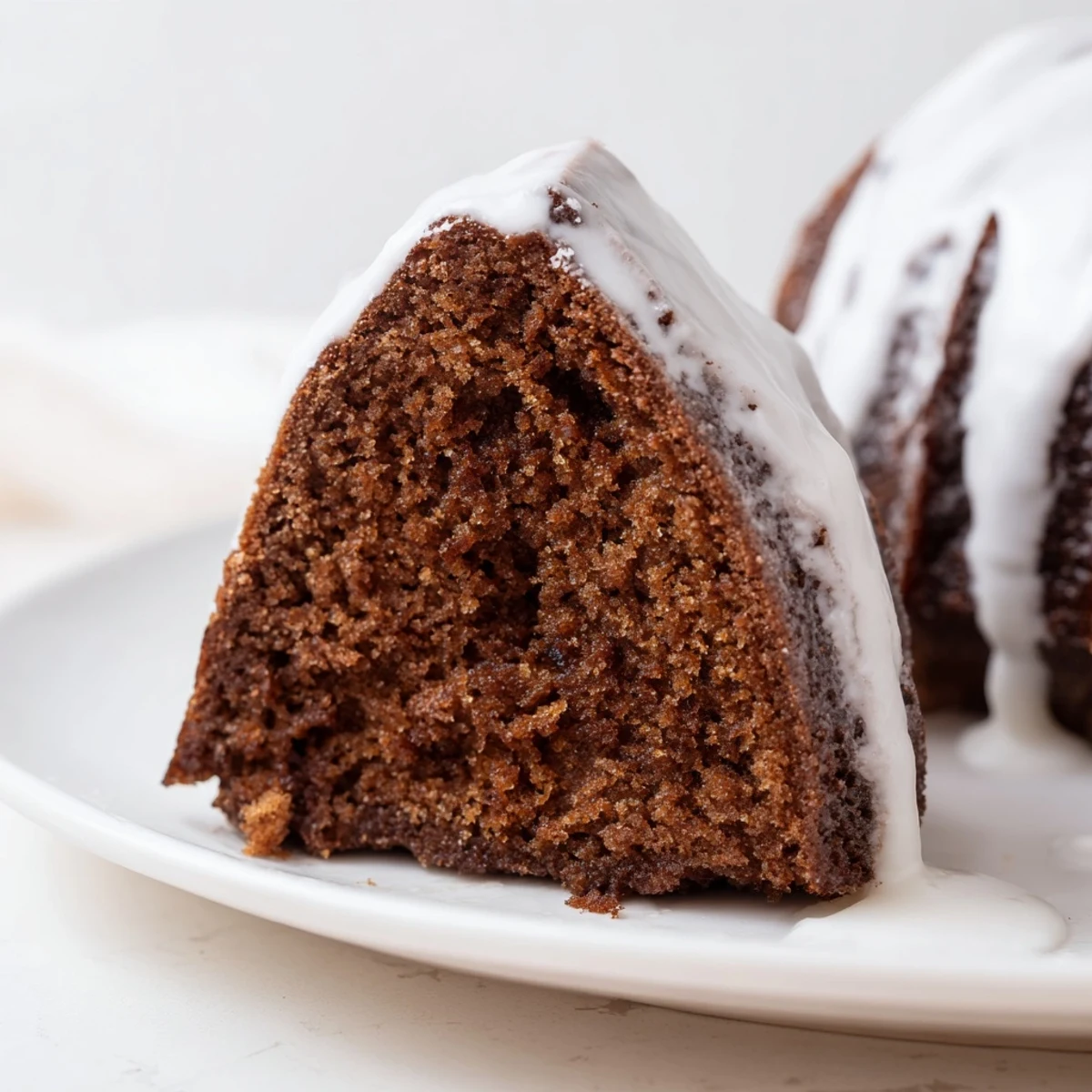
 This Bundt cake blends warm ginger, cinnamon, cloves, and nutmeg into a moist, tender crumb. Combining softened butter, molasses, and brown sugar creates a rich flavor base complemented by buttermilk’s subtle tang. The batter bakes evenly in a Bundt pan, then cools before a sweet vanilla glaze is drizzled on top, adding a smooth finish. Ideal for cozy gatherings or special celebrations, this spiced cake pairs well with whipped cream or dessert wines.
My kitchen smelled like a spice market the first time I baked this cake, and honestly, I wasn't sure if I'd made a dessert or accidentally set up shop as a perfumery. The molasses gave it this deep, almost mysterious richness that felt more grown-up than the typical vanilla cake, and when that vanilla glaze dripped down the sides of the Bundt, I knew this was going to become a regular thing.
I brought this to a holiday potluck last December and watched people actually pause mid-conversation to ask for the recipe—not out of politeness, but genuine bewilderment at how something so simple could taste that good. An older neighbor sat with a slice and a cup of tea, and she said it reminded her of something her mother used to make, which somehow made me feel like I'd just earned a secret kitchen badge.
Ingredients
- All-purpose flour (2 1/2 cups): This is your foundation, so don't skip sifting it with the other dry ingredients—it helps distribute the spices evenly and prevents pockets of baking soda from creating bitter spots.
- Baking powder and baking soda (1 teaspoon and 1/2 teaspoon): They work together here to create a tender crumb and the right rise; too much of either throws off the balance.
- Salt (1/2 teaspoon): A pinch sounds small until you taste what it does for depth—it makes everything else taste more like itself.
- Ground ginger, cinnamon, cloves, nutmeg, and allspice (2 teaspoons, 1 1/2 teaspoons, 1/4 teaspoon each): Fresh spices matter here; if yours have been in the cabinet for two years, this is the moment to replace them because they're the whole personality of this cake.
- Unsalted butter and neutral oil (1/2 cup each): The combination keeps the cake from being too dense while the butter brings flavor; using both is the trick to that tender crumb.
- Dark brown sugar (1 cup, packed): Pack it down when measuring so you get the right moisture balance; it's deeper and more complex than regular sugar.
- Molasses (1/2 cup): This is non-negotiable for authentic gingerbread flavor—unsulfured tastes less harsh than sulfured, so go for that if you can find it.
- Eggs (3 large, room temperature): Room temperature eggs beat in smoothly and create a more tender crumb than cold ones.
- Vanilla extract (1 teaspoon for cake, 1/2 teaspoon for glaze): Real vanilla makes a noticeable difference; imitation will work but tastes a bit flat in comparison.
- Buttermilk (1 cup, room temperature): The acid reacts with the baking soda and keeps things tender; if you don't have it, mix regular milk with a tablespoon of lemon juice and let it sit for five minutes.
- Powdered sugar and milk (1 cup and 2-3 tablespoons for glaze): Sift the powdered sugar to avoid lumps, and add milk slowly until you reach that drizzly consistency.
Instructions
- Prepare your pan like you mean it:
- Grease that Bundt with butter or baking spray, then dust with flour and tap out any excess. This step feels tedious until you're trying to unmold a perfect cake and realize you actually took time here.
- Whisk the dry team:
- Mix flour, baking powder, baking soda, salt, and all those beautiful spices together in a bowl. The whisking distributes everything evenly so you don't bite into a pocket of pure cinnamon.
- Beat the butter and oil into submission:
- Combine them with brown sugar and beat for about three minutes until it's light, fluffy, and pale. This aerates the batter, which is where some of your rise comes from.
- Add the molasses:
- Mix it in until everything looks smooth and rich. The color should deepen noticeably.
- Add eggs one at a time:
- Beat well after each egg so they emulsify properly into the batter. If you add all three at once, they don't incorporate as smoothly.
- Mix in the vanilla:
- Just a quick stir to combine.
- Alternate the dry and wet:
- Add half the flour mixture, mix on low until just combined, then pour in the buttermilk, mix gently, then add the remaining flour. Stop as soon as you don't see streaks of flour anymore—overmixing develops gluten and makes the cake tough instead of tender.
- Into the pan:
- Pour the batter evenly and smooth the top. Tap the pan on the counter a couple of times to release any air bubbles.
- Bake until a skewer comes out clean:
- This usually takes 40–50 minutes at 350°F. Your oven might run hot or cool, so start checking at 38 minutes. The cake should be golden and a wooden skewer inserted in the center should come out clean with maybe a few moist crumbs—not wet batter.
- Cool and unmold:
- Let it rest in the pan for 15 minutes so it sets enough to unmold without crumbling. Then carefully flip it onto a wire rack and let it cool completely before glazing—if you glaze warm cake, the glaze melts right off.
- Make the glaze:
- Whisk powdered sugar with milk and vanilla until it's smooth and thick but still pourable. Add milk a little at a time so you don't overshoot and end up with a runny mess.
- Glaze the cake:
- Drizzle it over the cooled cake and let it cascade down the sides. The presentation is half the charm.
 Pin It
 I've made this cake at least a dozen times now, and there's something grounding about how the spice smell fills the house the moment it comes out of the oven. It feels like the cake is announcing itself, claiming its place on the cooling rack with confidence.
Variations and Personalization
If you want to push the gingerbread flavor further, chop up about 1/2 cup of crystallized ginger and fold it into the batter right before pouring it into the pan. I've also added fresh ginger—about a teaspoon of minced, freshly grated—and it brings a sharper, more vibrant note than ground ginger alone. For the glaze, try whisking in a bit of orange zest if you want something citrusy and bright.
Serving and Pairing Ideas
This cake is genuinely good on its own, but it transforms into something special when you serve it with whipped cream or vanilla ice cream melting into the warm crumbs. I've had it alongside spiced chai tea, which feels like a warm hug, and it pairs beautifully with dessert wines if you're leaning toward something more elegant.
Storage and Make-Ahead Tips
Wrap the cooled cake tightly in plastic wrap and it stays moist and delicious for at least four days at room temperature—the molasses keeps it from drying out. You can also bake this cake a day ahead and glaze it the morning of serving, which takes the pressure off if you're planning something special.
- Freeze the unglazed cake for up to two months in an airtight container; thaw it at room temperature and glaze it fresh whenever you're ready.
- If you want to make it even simpler, skip the glaze and dust it with powdered sugar instead.
- A simple lemon glaze or cream cheese frosting would also be stunning if you feel like experimenting.
 Pin It
 There's something deeply satisfying about pulling a cake this pretty from the oven, knowing it came together from spices and pantry staples. It's the kind of cake that feels more special than it actually is to make.
Recipe FAQs
- → What spices give this Bundt cake its flavor?
-
Ground ginger, cinnamon, cloves, nutmeg, and allspice create the warm, festive spice blend.
- → Can I add extra texture to the cake?
-
Adding chopped crystallized ginger enhances texture and adds a zesty bite.
- → What type of pan is best for baking this cake?
-
A 10–12 cup Bundt pan ensures even baking and showcases the cake’s shape.
- → How do I make the glaze for the cake?
-
Whisk powdered sugar with milk and vanilla extract until smooth and pourable, then drizzle over cooled cake.
- → What are some serving suggestions for this cake?
-
Serve with whipped cream, vanilla ice cream, or pair with spiced chai tea or dessert wines for a complete treat.