
 Pin It
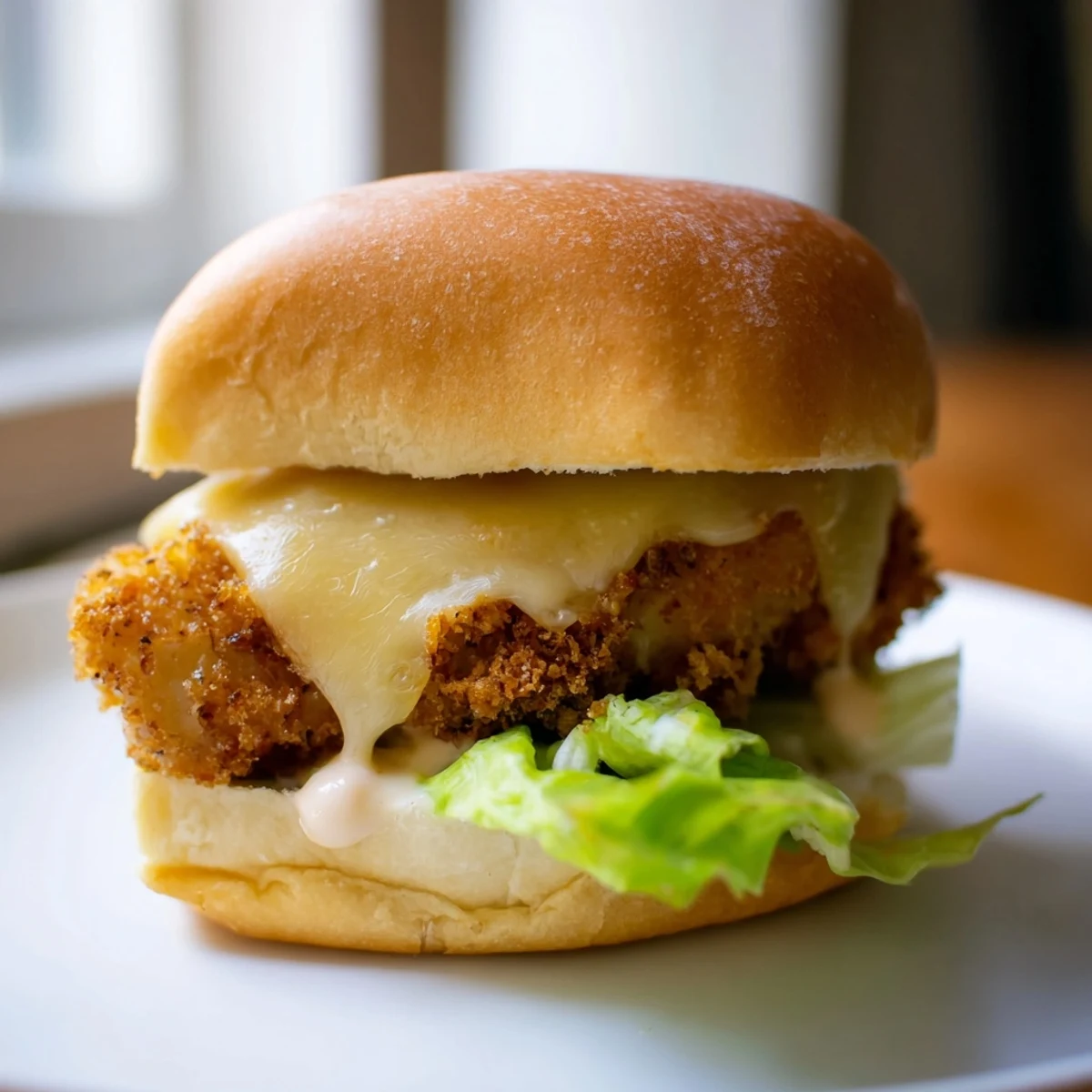
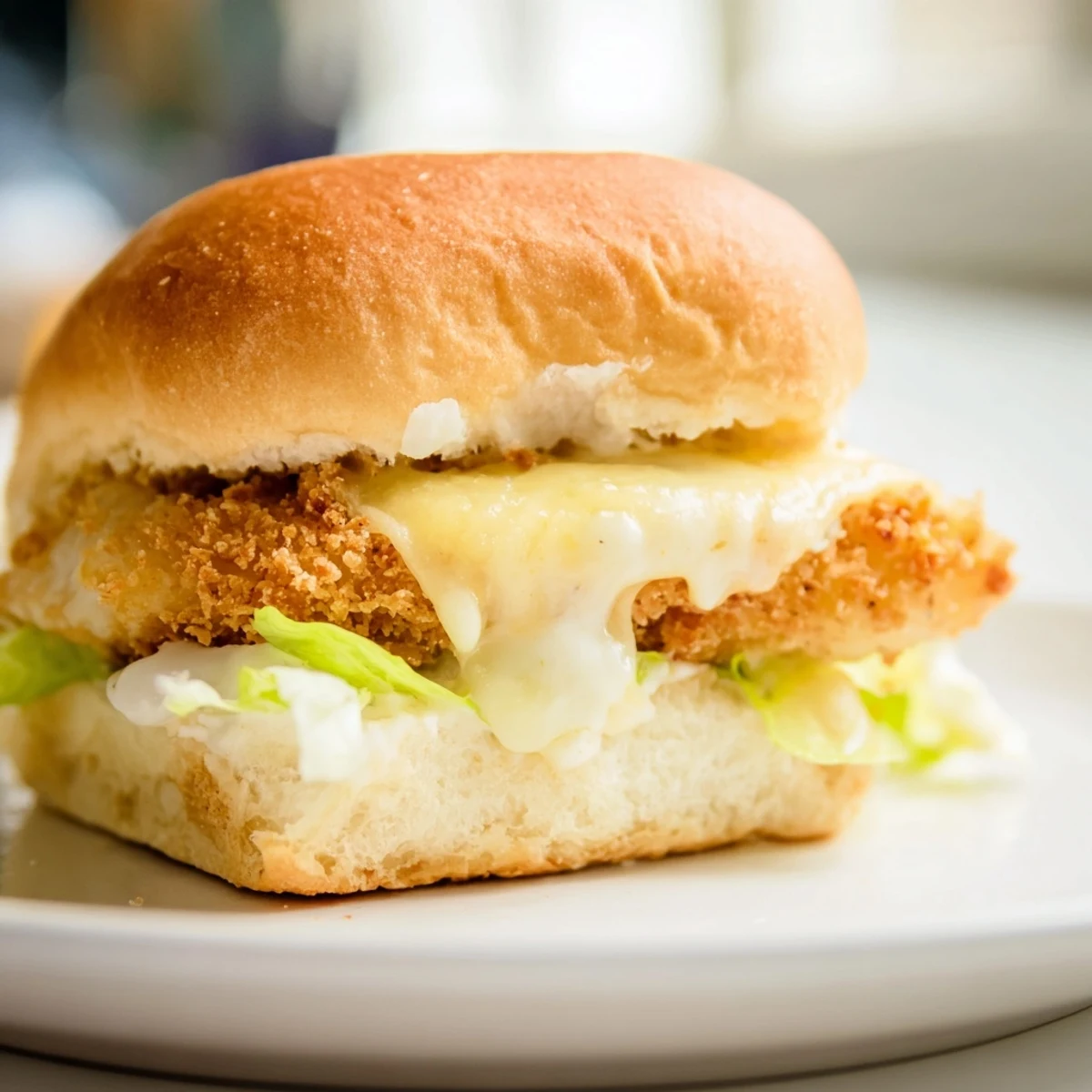
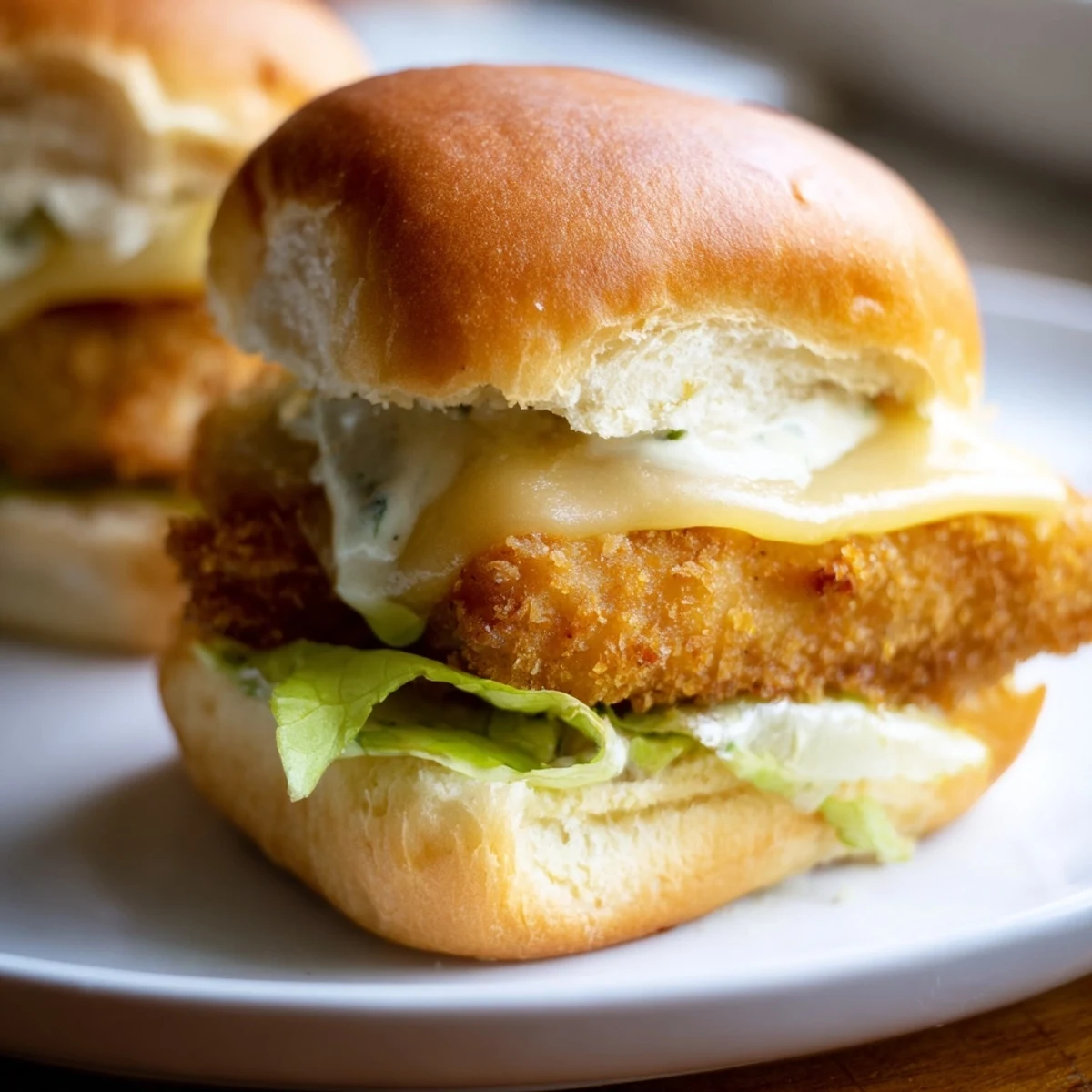
 These mini fish sandwiches capture everything you love about the classic fast-food favorite, made right at home. White fish fillets get a crispy golden coating from a panko-cornmeal blend, then fry up in just minutes per side. The homemade tartar sauce comes together quickly with mayonnaise, chopped pickles, capers, and fresh herbs—way better than anything from a jar.
Assembly is simple: toasted slider buns, a crispy fish fillet, melting cheese slice, crisp lettuce, and that generous dollop of tangy sauce. These sliders bake or fry easily, making them perfect for feeding a crowd. Serve with lemon wedges and crispy fries for the complete experience.
My youngest brother called me on a Tuesday night, rambling about how he'd just discovered the perfect late-night comfort food. He described these miniature fish sandwiches with such intensity that I found myself in the kitchen at 10 PM, raiding the freezer for fish fillets. The first batch came out slightly overcooked, but that creamy tangy sauce against the crispy fish was absolute magic.
Last summer, I made fifty of these for my niece's birthday party and watched grown adults hover around the platter like teenagers discovering their new favorite snack. Something about that bite-sized format makes people unreasonably happy, like you're getting away with something indulgent but still somehow wholesome.
Ingredients
- White fish fillets: Cod or haddock work beautifully here because they hold together during frying and have that mild sweet flavor that lets the breading shine
- Panko breadcrumbs: These create that impossibly light crunch that makes restaurant fried food so addictive
- Cornmeal: The secret extra crunch factor that home cooks often skip but pros never do
- Mayonnaise: Use real mayo here, not miracle whip, for the proper creamy base
- Capers: These little salty bursts are what transforms ordinary tartar sauce into something you'll want to put on everything
- Slider buns: Look for buns around 7-8 cm, dinner rolls work in a pinch
- Mild cheddar: Processed cheese melts better but real cheddar tastes better, your call
Instructions
- Get your station ready:
- Set up three shallow bowls in assembly line fashion: flour first, then beaten eggs, then panko mixed with cornmeal. This setup makes the whole process feel smooth rather than chaotic.
- Season the fish:
- Pat your fish pieces completely dry with paper towels, then sprinkle salt and pepper on all sides. Moisture is the enemy of crispy breading.
- Start the coating process:
- Dredge each piece in flour, shaking off excess, then dip in egg letting the excess drip off, finally press into the crumb mixture until thoroughly coated. Place on a clean plate while you finish the rest.
- Choose your cooking method:
- For frying, heat about half an inch of oil until it shimmers and a pinch of breadcrumbs sizzles immediately. For baking, preheat to 400°F and line a baking sheet with parchment.
- Cook to golden perfection:
- Fry in batches for 2-3 minutes per side until deep golden brown, or bake for 10-12 minutes flipping once. The fish should flake easily when done.
- Whip up the sauce:
- Combine mayo, chopped pickles, capers, lemon juice, mustard, and parsley. Let it chill for at least 15 minutes so flavors can mingle and get friendly.
- Bring it all together:
- Give your slider buns a quick toast, then layer fish, cheese, lettuce, and that glorious sauce. The warmth of the fish will slightly melt the cheese into pure comfort.
 Pin It
 My neighbor smelled these frying through an open window and showed up with a six-pack, claiming she'd just happened to be walking by. We ate sliders on the back porch steps while the sun went down, and I've never felt more like a proper cook than in that moment.
Making Ahead Like A Pro
You can bread the fish pieces up to 4 hours ahead and keep them refrigerated on a parchment-lined tray. The tartar sauce actually improves after a day in the fridge, giving those flavors time to really get acquainted with each other.
Cooking Method Showdown
Frying gives you that unmistakable crunch and slightly indulgent mouthfeel, but baking at 400°F produces surprisingly good results with about 70% less mess. I've done both for dinner parties and honestly, people clean their plates either way.
Serving Strategy
Set up a DIY slider bar with extra sauce, pickles, and lemon wedges on the side. Let people customize their own creations because watching someone build their perfect bite is almost as satisfying as eating one yourself.
- Keep the assembled sliders warm in a 200°F oven if you're cooking for a crowd
- Have extra tartar sauce ready because people will absolutely double-dip
- Crispy shoestring fries make these feel like a complete meal
 Pin It
 There's something joyful about food that doesn't take itself too seriously but still delivers pure happiness in every bite. These sliders have become my go-to for those nights when comfort food calls but I still want to feel like I made something worth remembering.
Recipe FAQs
- → What type of fish works best?
-
White fish fillets like cod, haddock, pollock, or tilapia work perfectly. These mild, flaky varieties hold up well during frying and provide that classic taste and texture everyone expects.
- → Can I bake these instead of frying?
-
Absolutely. Bake at 200°C (400°F) for 10–12 minutes on a lined baking tray, turning once halfway through. The coating still gets nicely crispy while using less oil overall.
- → How far ahead can I make the tartar sauce?
-
The homemade tartar sauce keeps well in the refrigerator for up to 5 days. Actually, making it a day ahead allows the flavors to meld together beautifully for even better taste.
- → What's the purpose of cornmeal in the coating?
-
Cornmeal adds extra crunch and a slightly grainier texture to the exterior. It's completely optional though—just use additional panko breadcrumbs if you prefer a finer crumb coating.
- → Can I freeze uncooked breaded fish fillets?
-
Yes, arrange breaded fillets in a single layer on a baking sheet, freeze until firm, then transfer to a freezer bag. They'll keep for up to 3 months and can go straight from freezer to oven or fryer.