
 Pin It
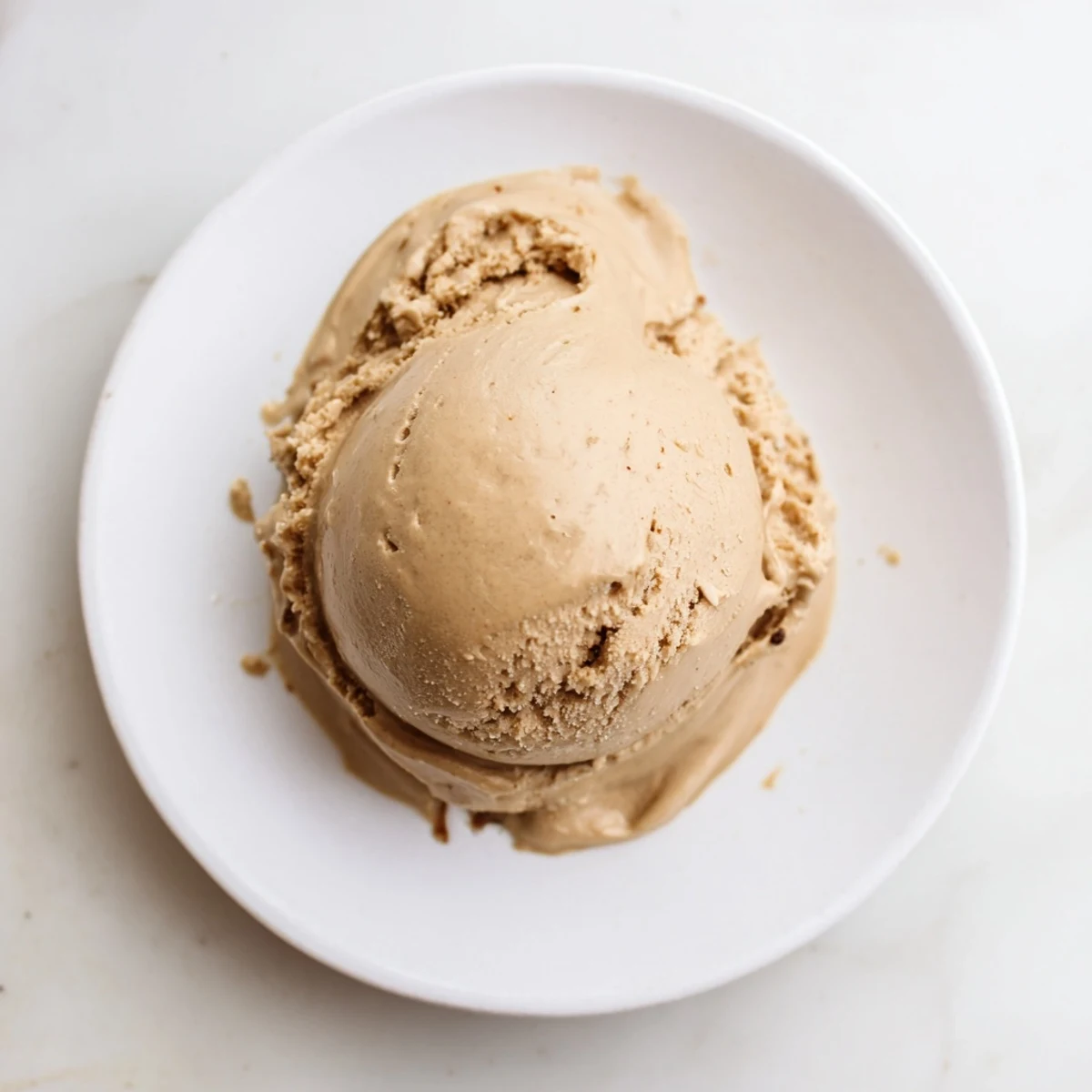
 This rich and creamy frozen dessert features the distinctive roasted, nutty flavor of Japanese hojicha green tea. The custard base combines whole milk and heavy cream infused with loose leaf hojicha, then enriched with egg yolks and sugar for a velvety smooth texture. After steeping the tea to extract maximum flavor, the mixture is carefully tempered and cooked until thickened into a luxurious custard. An extended chilling period ensures the flavors meld perfectly before churning. The result is a uniquely aromatic treat with warm, toasty notes that set it apart from traditional green tea varieties.
The first time I tasted hojicha ice cream was at a tiny dessert shop in Kyoto, where the owner explained that roasting green tea leaves transforms everything. I came home obsessed with recreating that earthy, caramel-like creaminess that somehow felt lighter than regular ice cream. After dozens of batches, I finally figured out that steeping time matters more than anything else. Now this is the flavor I make when friends say they dont like green tea desserts.
Last summer, my neighbor Sarah came over skeptical about tea in her ice cream. I watched her face change from polite uncertainty to pure wonder with that first spoonful. She texted me the next day asking exactly which hojicha brand I used, because she needed to make it for her book club. Thats the moment I knew this recipe was special.
Ingredients
- Whole milk and heavy cream: This ratio creates the perfect silky base that lets the hojicha shine without becoming too heavy or cloying
- Hojicha loose leaf tea: Loose leaves give way better flavor infusion than tea bags, so hunt them down at an Asian market or specialty tea shop
- Egg yolks: Room temperature yolks incorporate more smoothly into the warm dairy mixture
- Granulated sugar: This amount strikes the right balance between sweetness and letting the roasted tea flavor come through
- Pinch of salt: Never skip this, it wakes up all the other flavors
Instructions
- Steep the dairy base:
- Combine milk and cream in a medium saucepan, heating over medium until steaming but never boiling. Add the hojicha tea, remove from heat, cover, and let steep for exactly 10 minutes. Strain through a fine sieve, really pressing on those leaves to extract every bit of flavor, then return the infused mixture to the saucepan.
- Prepare the yolks:
- While the dairy steeps, whisk egg yolks, sugar, and salt until pale and creamy. This takes about 2 minutes and creates the foundation for a smooth custard.
- Temper and cook the custard:
- Slowly pour about a cup of the warm hojicha mixture into the yolks, whisking constantly so the eggs dont scramble. Return everything to the saucepan and cook over low heat, stirring continuously with a wooden spoon, until the mixture thickens and coats the back of the spoon, about 6 to 8 minutes. Never let it boil.
- Chill thoroughly:
- Pour the custard through a fine sieve into a clean bowl, let it cool to room temperature, then cover and refrigerate for at least 3 hours. This patience step makes all the difference in final texture.
- Churn and freeze:
- Freeze the bowl of your ice cream maker overnight, then churn according to the manufacturers instructions until it looks like soft serve. Transfer to a container, cover, and freeze for at least 1 hour before serving.
 Pin It
 My dad claims he doesnt like dessert, yet he finished an entire bowl of this at our last family dinner. He kept saying it tasted familiar, like something from his childhood in Japan, though he couldnt quite place what. Watching that moment of connection unfold over something I made reminded me why I love cooking so much.
Getting The Most Flavor From Your Tea
The quality of your hojicha matters more than any other ingredient here. I keep a stash specifically for ice cream, stored in an airtight container away from light and heat. Good hojicha should smell deeply roasted with hints of caramel, and the leaves should look evenly browned, not green or burnt.
Troubleshooting Your Custard
If your custard starts looking curdled while cooking, immediately remove it from heat and whisk in a splash of cold milk, then strain it twice through a fine mesh sieve. Most of the time it will still turn out beautifully, though the texture might be slightly less smooth. This usually happens from cooking too fast or at too high a heat.
Serving Suggestions
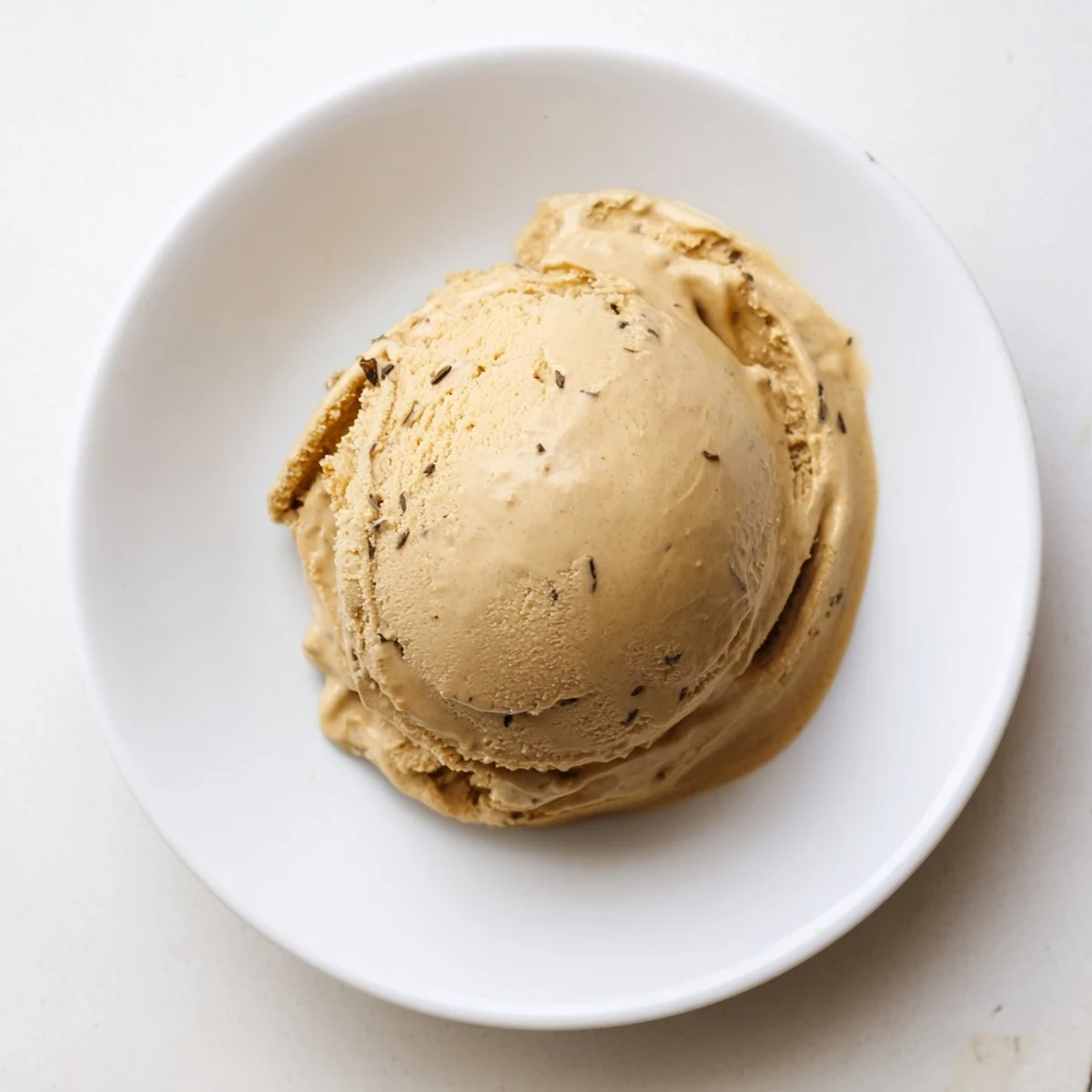
This ice cream pairs surprisingly well with fresh fruit, especially sliced peaches or berries. The roasted, earthy flavor also stands up beautifully to warm desserts like molten chocolate cake. I like to let it soften on the counter for 5 minutes before scooping for the best texture.
- Toasted sesame seeds add this incredible nutty crunch that complements the roasted tea
- A drizzle of black sugar syrup makes it feel like a restaurant dessert
- Try serving it between two warm mochi for the most perfect ice cream sandwich
 Pin It
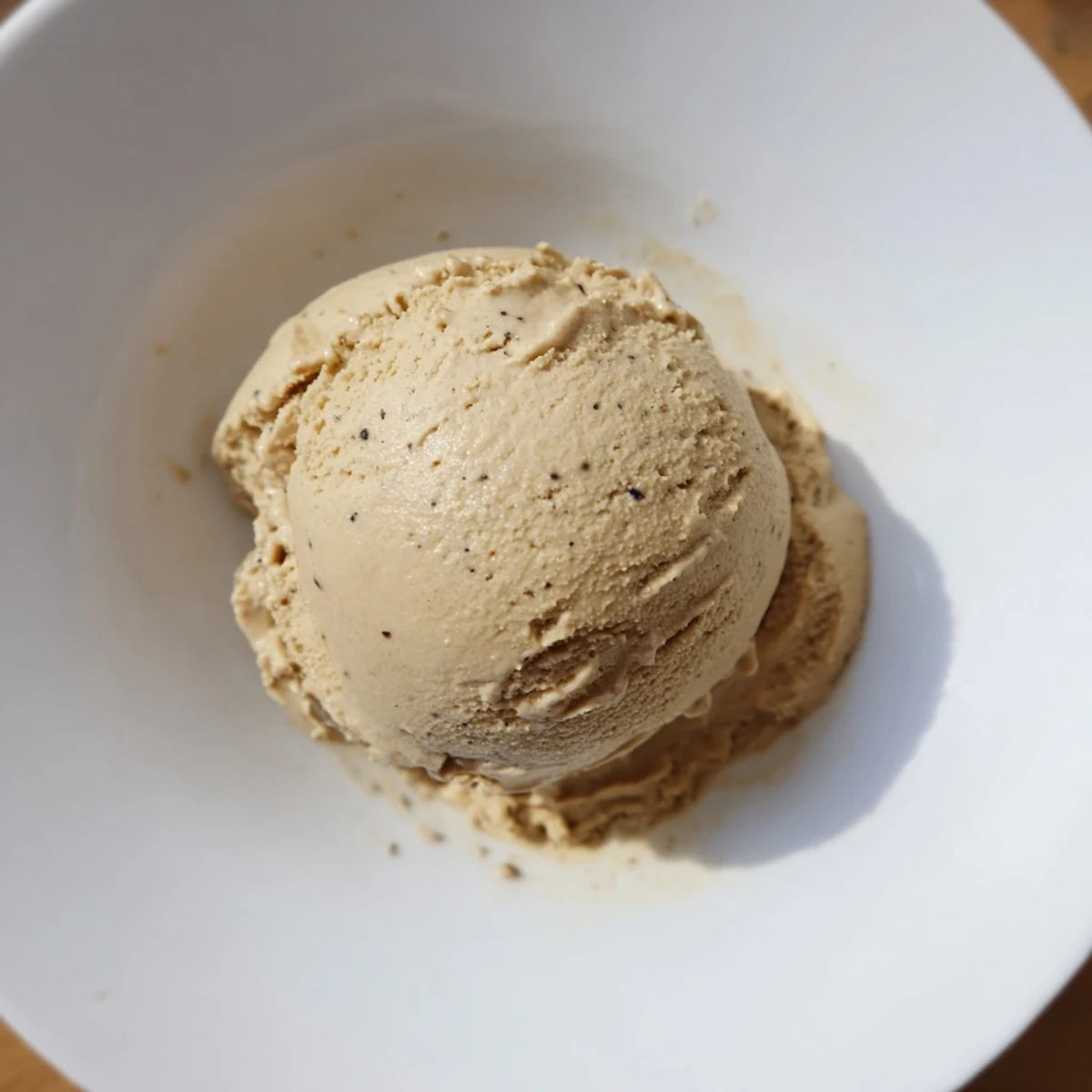
 There is something deeply satisfying about scooping that first perfect ball of homemade ice cream you made yourself. I hope this recipe finds its way into your regular rotation.
Recipe FAQs
- → What makes hojicha different from regular green tea?
-
Hojicha is roasted Japanese green tea, which gives it a deep reddish-brown color and distinctively nutty, caramelized flavor profile unlike the grassy notes of unroasted green teas.
- → Can I make this without an ice cream maker?
-
Yes, freeze the custard in a shallow pan and stir every 30 minutes until smooth and frozen. This manual method takes more effort but yields similar results.
- → How long does this keep in the freezer?
-
Properly stored in an airtight container, this keeps for up to 2 weeks. For best texture and flavor, consume within the first week.
- → What toppings work well with this?
-
Toasted sesame seeds, black sugar syrup, matcha powder, or even a drizzle of condensed milk complement the roasted notes beautifully.
- → Can I substitute the dairy ingredients?
-
Coconut milk and cream can work for a dairy-free version, though the texture will be slightly different and the coconut flavor will be noticeable.
- → Why is there a long chilling time?
-
The extended chilling allows the hojicha flavor to fully develop and meld with the dairy base, while also ensuring the mixture is cold enough for proper churning.