
 Pin It
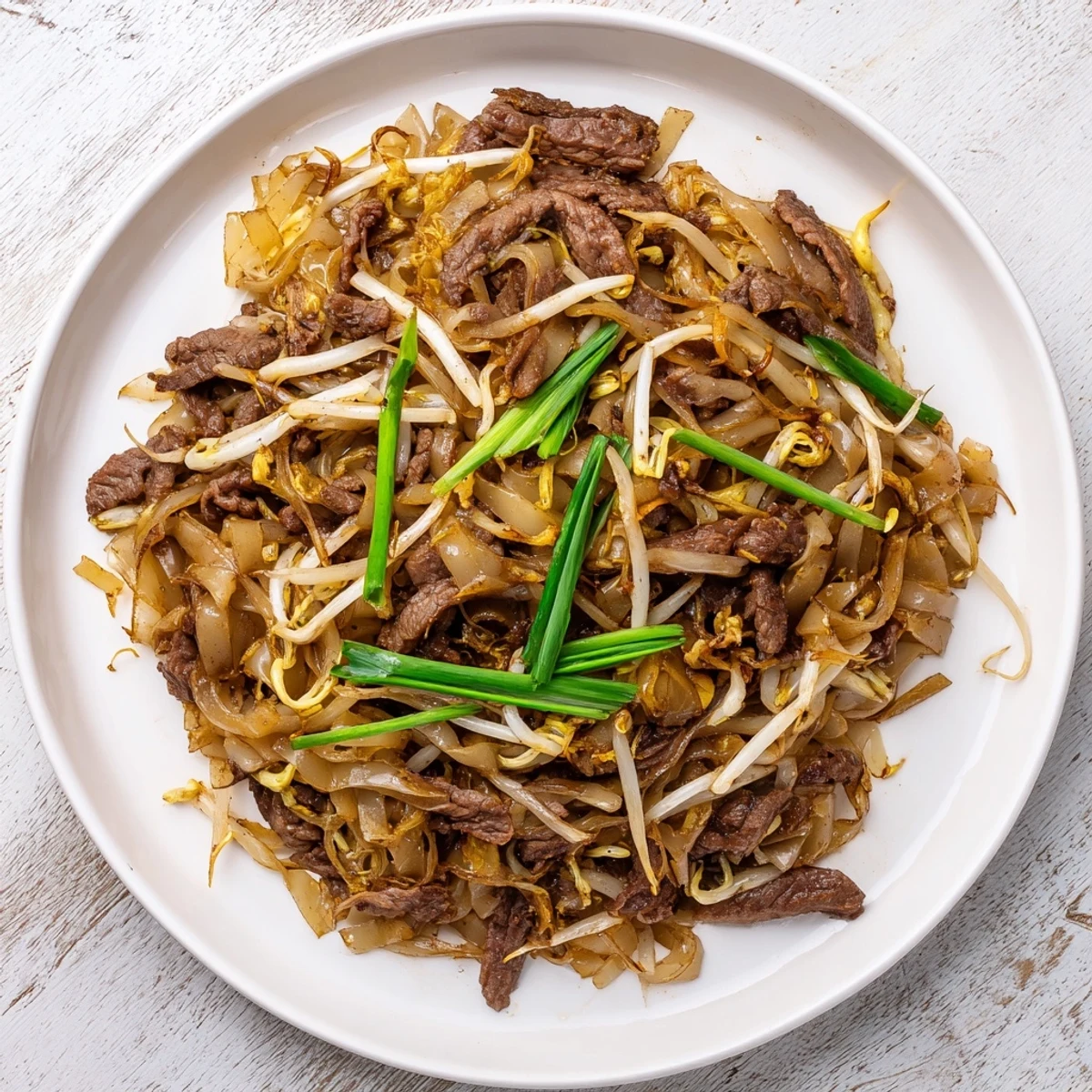
 Experience the authentic flavors of Cantonese cuisine with this classic beef chow fun. Thinly sliced flank steak gets marinated in soy sauce and Shaoxing wine, then quickly seared to perfection. Wide rice noodles absorb a rich sauce made from light and dark soy sauce with oyster sauce, creating that characteristic glossy coating and deep umami flavor. Crisp bean sprouts add essential texture contrast, while yellow onions and spring onions provide aromatic depth. The key to success lies in high-heat cooking and proper timing—sear the beef first, then let the noodles develop a slight char before tossing everything together. Perfect for weeknight dinners or impressing guests with restaurant-quality results at home.
The first time I attempted Beef Chow Fun at home, I stood over my wok with absolute reverence. I had watched countless chefs in Hong Kong restaurants toss wide rice noodles with practiced ease, their arms moving in confident arcs while flames licked the sides of their woks. My kitchen lacked their professional firepower, but I was determined to capture that smoky, sauce-coated perfection anyway. After three attempts and some slightly broken noodles, I finally understood what makes this dish sing in home kitchens.
Last winter, my friend Mei came over complaining she could never find chow fun that tasted like the street food she missed from Guangzhou. I pulled out my wok and showed her my method for handling fresh rice noodles without breaking them into sad fragments. When she took her first bite, tears actually welled up. Something about the combination of sweet onions, savory beef, and those wide slippery noodles had transported her back to morning market stalls.
Ingredients
- Flank steak: Thinly slicing against the grain is the secret to tender beef that does not require hours of marinating
- Cornstarch: Creates a protective velvet coating on the beef, keeping it silky even over high heat
- Fresh wide rice noodles: Look for pliable, slightly oily noodles at Asian markets—stiff ones will break during stir-frying
- Yellow onion: Provides sweetness that balances the salty soy sauces and cuts through rich beef flavor
- Bean sprouts: Add essential crunch and freshness to contrast the soft noodles
- Dark soy sauce: Gives the dish its characteristic caramel color and deeper umami notes
- Shaoxing wine: Chinese cooking wine that adds complexity and helps tenderize the meat
Instructions
- Prepare the beef:
- Toss the sliced flank steak with soy sauce, cornstarch, Shaoxing wine, and oil in a bowl until evenly coated. Let it sit while you prep everything else—this brief marinating period makes all the difference in texture.
- Mix your sauce ahead:
- Whisk together both soy sauces, oyster sauce, sugar, and water in a small bowl. Having this ready means you will not scramble when cooking moves fast.
- Prep the noodles:
- Gently separate the fresh rice noodles by hand. If they are stiff from refrigeration, steam them for 2 minutes or microwave briefly until pliable.
- Sear the beef quickly:
- Heat 1 tablespoon oil in your wok over high heat until smoking. Sear the beef in batches for just 1 to 2 minutes until browned but still pink inside, then remove immediately.
- Cook the aromatics:
- Add another tablespoon of oil to the hot wok. Stir-fry the onions and most of the spring greens for 1 to 2 minutes until fragrant and softened.
- Char the noodles:
- Add the rice noodles and spread them across the wok surface. Let them sear undisturbed for 1 minute to develop those coveted charred spots.
- Add the sauce:
- Pour in your prepared sauce and toss quickly to coat every strand evenly. The noodles should glisten without drowning in liquid.
- Combine everything:
- Return the beef to the wok along with bean sprouts. Stir-fry for 1 to 2 minutes until everything is heated through and well combined.
- Finish and serve:
- Scatter with reserved spring onions and bring the whole dish to the table immediately while the noodles are still hot and slightly smoky.
 Pin It
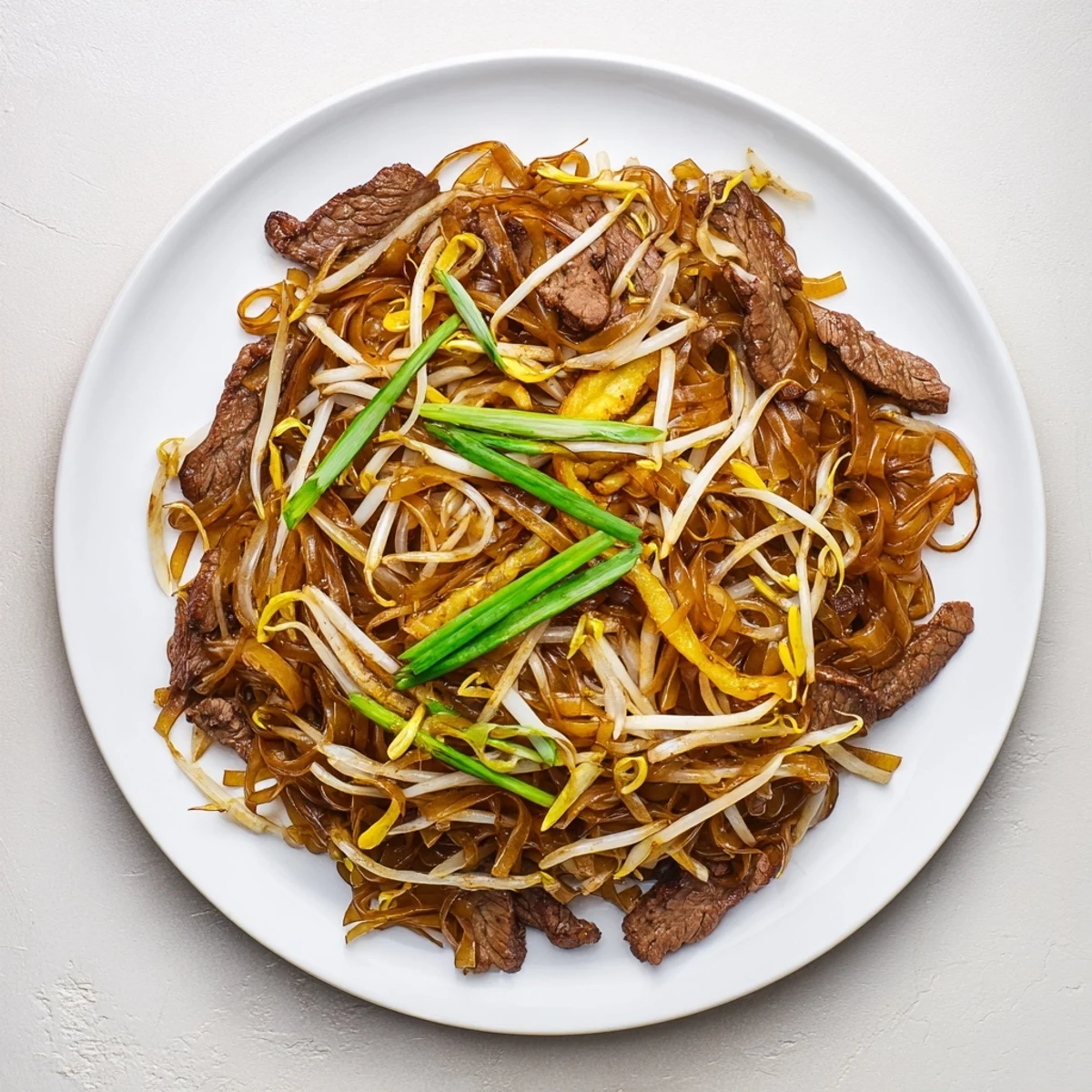
 This recipe has become my go-to for introducing friends to real Chinese home cooking. There is something magical about watching people experience that combination of textures for the first time—the way the noodles slip through chopsticks, the contrast of tender beef against crisp sprouts, the sauce that coats everything without being heavy. It is the dish that converts people from takeout regulars to wok enthusiasts.
Choosing Your Rice Noodles
Fresh rice noodles, labeled as hor fun or ho fun, should feel pliable and slightly oily to the touch. Avoid packages that look dried out or stiff, as these will break during stir-frying no matter how gently you handle them. If you can only find dried wide rice noodles, soak them according to package directions and expect a slightly chewier texture rather than the slippery softness of fresh ones.
Getting That Restaurant Wok Flavor
Home stoves cannot match the intense heat of restaurant woks, but you can approximate wok hei by preheating your pan until it is smoking hot before adding ingredients. Work in batches rather than crowding the pan, and resist the urge to stir constantly—letting food sear against the hot metal creates those caramelized, smoky flavors that make this dish distinctive. A well-seasoned wok or carbon steel skillet will develop better flavor than nonstick alternatives.
Make It Your Own
Once you have mastered the basic technique, this dish welcomes endless variations. The core method works beautifully with different proteins and vegetables while keeping that signature noodle dish appeal.
- Try sliced chicken breast or firm tofu instead of beef for lighter versions
- Add baby bok choy or sliced bell peppers for extra color and nutrition
- Top with fried eggs for a breakfast twist that Cantonese cafes sometimes serve
 Pin It
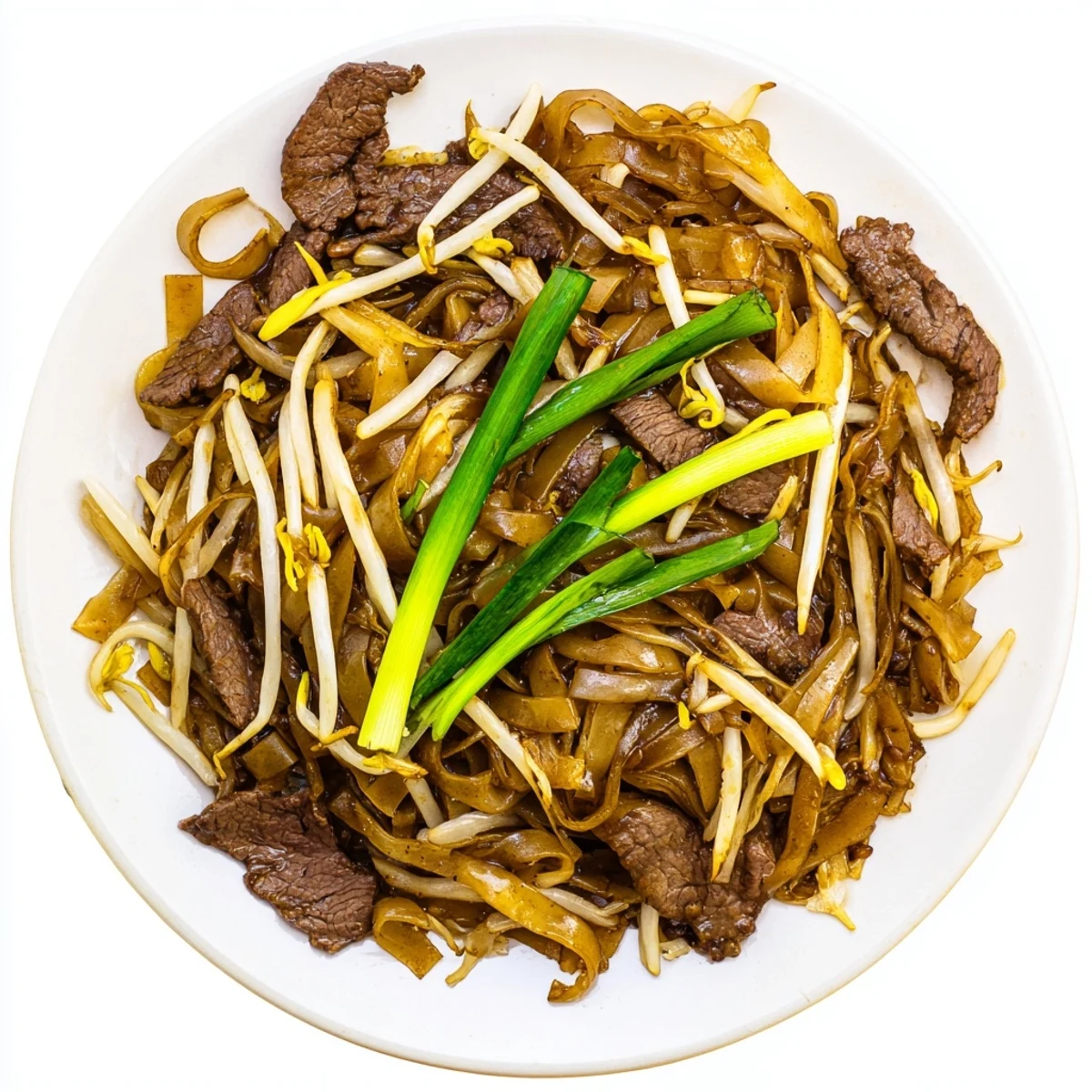
 I hope this recipe brings the sizzle and aroma of a Hong Kong street stall into your kitchen. There is nothing quite like sliding a steaming plate of Beef Chow Fun onto the table and watching everyone reach for their chopsticks at the same time.
Recipe FAQs
- → What is beef chow fun?
-
Beef chow fun is a classic Cantonese stir-fried noodle dish featuring wide rice noodles (hor fun), tender sliced beef, bean sprouts, and aromatics cooked in a savory sauce over high heat.
- → Can I use dried rice noodles instead of fresh?
-
Yes, dried wide rice noodles work well. Soak them in warm water until pliable, then cook according to package instructions before stir-frying. Fresh noodles are traditional but dried are a convenient alternative.
- → How do I prevent the noodles from breaking?
-
Handle noodles gently when separating them. If they're stiff from refrigeration, steam or microwave briefly to soften. Avoid excessive stirring—let them sear undisturbed for a minute to develop char before tossing.
- → What cut of beef works best?
-
Flank steak is ideal because it's flavorful and becomes tender when thinly sliced against the grain. Skirt steak or sirloin also work well. Always slice perpendicular to the muscle fibers for maximum tenderness.
- → How can I make this gluten-free?
-
Use tamari or coconut aminos instead of soy sauce, and choose a gluten-free oyster sauce alternative. Most rice noodles are naturally gluten-free, but always check labels to be certain.
- → Why is my dish not smoky enough?
-
Traditional wok hei (breath of the wok) comes from extremely high heat. Use your largest burner, preheat the wok until smoking, and cook in batches if overcrowding. A heavy cast-iron skillet can also achieve good results.