
 Pin It
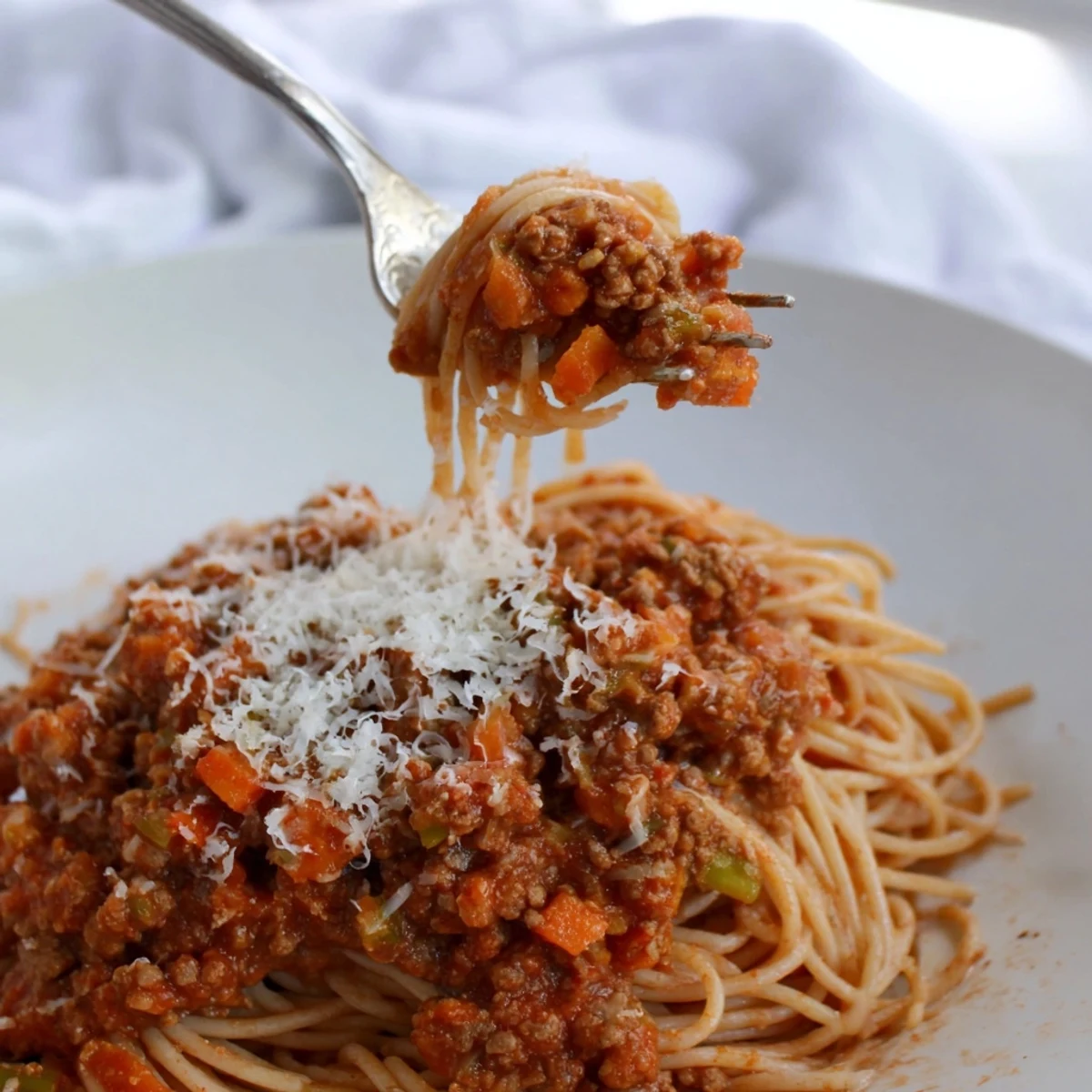
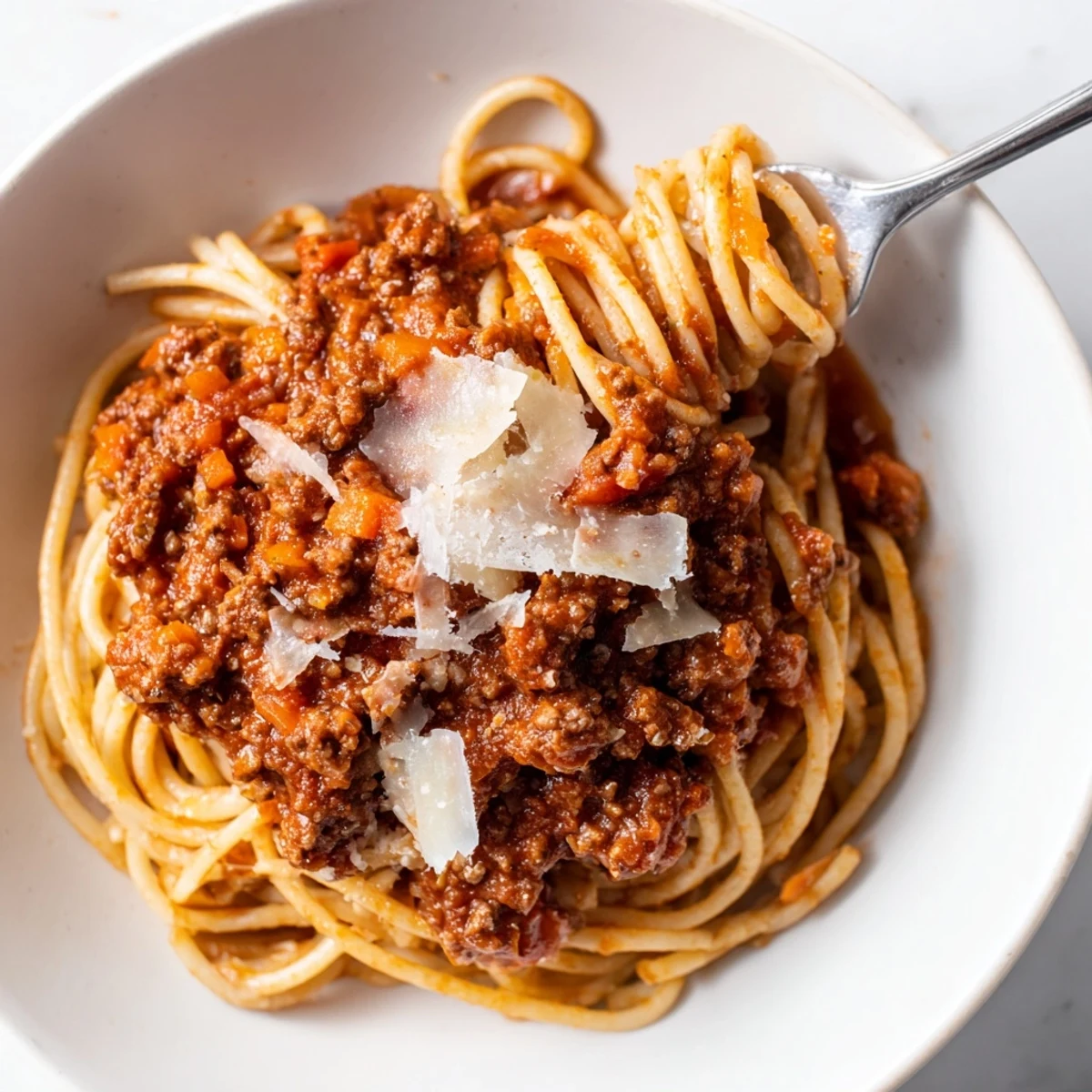
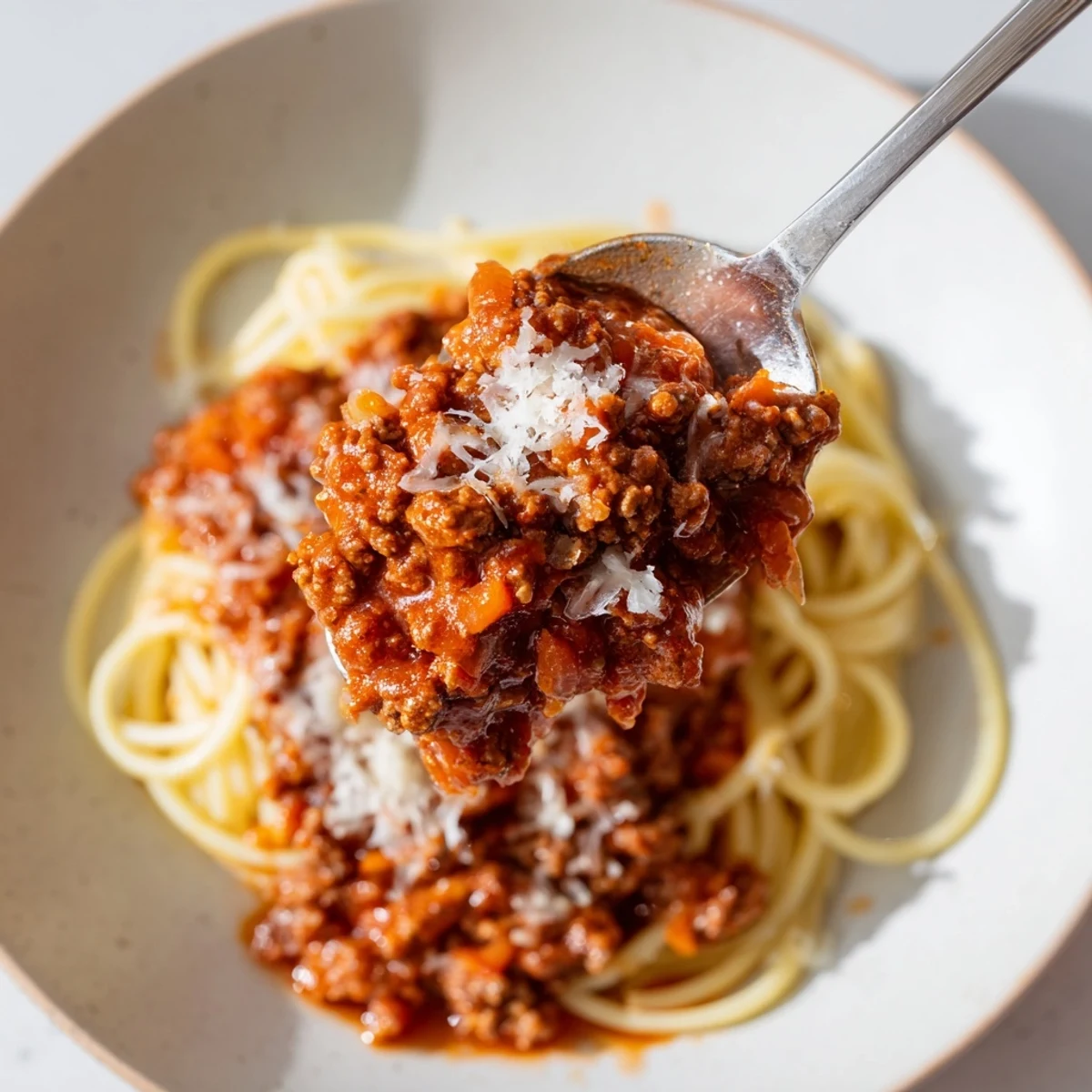
 This classic Italian dish combines a rich, slow-cooked beef and tomato sauce with tender spaghetti. Aromatic vegetables, herbs, and a splash of red wine deepen the flavor during a long simmer, resulting in a thick, hearty sauce. Finished with freshly grated Parmesan and garnished with fresh herbs, this comforting main course balances savory, tangy, and fragrant notes. Ideal for a satisfying dinner that highlights traditional culinary techniques and quality ingredients.
The smell of onions and carrots hitting hot olive oil still pulls me back to my tiny first apartment kitchen. I was attempting to impress someone with a 'homemade' Bolognese, using whatever wine happened to be left over from a party. That first attempt was too acidic and slightly burnt, but something about the process hooked me completely.
Last winter my sister came over during a snowstorm and we stood over the pot, tasting and adjusting for nearly an hour. We ended up eating at 10 pm, huddled around the stove because the dining table was covered in laundry. That meal, with snow piling up outside and the kitchen wrapped in that rich tomato aroma, is now a reference point for what comfort food should feel like.
Ingredients
- 2 tbsp olive oil: The foundation of your sofrito, use a decent quality oil since it carries the flavor of everything that follows
- 1 medium onion, finely chopped: Should be small enough that it melts into the sauce rather than remaining identifiable chunks
- 2 carrots, finely diced: These add natural sweetness that balances the tomatoes and creates depth
- 2 celery stalks, finely diced: Provides subtle aromatic backbone that you will not taste directly but will miss if it is missing
- 3 garlic cloves, minced: Add these after the vegetables have softened so they do not burn and turn bitter
- 500 g ground beef: The 80/20 ratio matters because the fat carries flavor and keeps the sauce rich
- 2 tbsp tomato paste: Concentrated tomato flavor that needs to be cooked briefly to develop its sweetness
- 125 ml dry red wine: Any drinkable red works, the alcohol cooks off but the fruitiness remains
- 800 g canned crushed tomatoes: Whole tomatoes crushed by hand have better texture than pre-crushed
- 1 tsp dried oregano: Earthy notes that ground the bright tomato flavor
- 1 tsp dried basil: Sweet, mild herbal backdrop that does not overpower the beef
- 1 bay leaf: Remove before serving but let it infuse during the entire simmering process
- 1 tsp sugar: Only necessary if your tomatoes taste particularly sharp or acidic
- Salt and freshly ground black pepper: Taste and adjust throughout the cooking process
- 400 g dried spaghetti: Quality pasta makes a difference, look for bronze-die-cut noodles
- Salt for pasta water: The water should taste noticeably salty, like the sea
- 60 g freshly grated Parmesan cheese: Pre-grated cheese lacks the melting quality and sharp flavor of freshly grated
- Fresh basil or parsley leaves: A final pop of color and freshness against the rich sauce
Instructions
- Build your aromatic foundation:
- Heat the olive oil in a large heavy-bottomed pot over medium heat, then add the onion, carrot, and celery. Cook for 6 to 8 minutes, stirring occasionally, until vegetables have softened and onions are translucent but not browned.
- Add the garlic:
- Stir in the minced garlic and cook for just 1 minute until fragrant, watching carefully so it does not brown or burn.
- Brown the beef:
- Add the ground beef, breaking it apart with a wooden spoon, and cook for 6 to 8 minutes until fully browned and no pink remains. Let it develop some brown bits on the bottom of the pot for extra flavor.
- Concentrate the flavors:
- Stir in the tomato paste and let it cook for 2 minutes, then pour in the wine while scraping up any browned bits from the bottom. Simmer for 2 to 3 minutes until the wine has mostly evaporated.
- Add the tomatoes and herbs:
- Pour in the crushed tomatoes along with oregano, basil, bay leaf, sugar if using, and salt and pepper. Stir everything together thoroughly.
- Simmer slowly:
- Bring the sauce to a gentle bubble, then reduce heat to low and partially cover the pot. Let it simmer for 45 to 60 minutes, stirring occasionally, until thickened and deeply flavorful.
- Cook the pasta:
- While the sauce simmers, boil spaghetti in a large pot of well-salted water according to package directions until al dente. Drain the pasta but reserve about ½ cup of the starchy cooking water.
- Finish and adjust:
- Remove the bay leaf from the sauce, then add a splash of the reserved pasta water if the consistency seems too thick. Taste once more and adjust salt or pepper if needed.
- Combine and serve:
- Either toss the spaghetti directly with a portion of sauce in the pasta pot, or plate the noodles and ladle sauce generously over each serving.
- Add the finishing touches:
- Sprinkle freshly grated Parmesan over each bowl and garnish with a few fresh basil or parsley leaves right before serving.
 Pin It
 This recipe has become my go-to when someone needs feeding but I also need the house to smell welcoming. There is something about the long, gentle simmer that feels like taking care of people before they even arrive at the table.
Making It Ahead
Bolognese actually tastes better the next day, so do not hesitate to make it in the morning or even the day before. The flavors continue to develop and meld as it rests in the refrigerator.
Choosing Your Wine
The wine you cook with matters because its flavors concentrate as it reduces. Use something you would actually drink, but it does not need to be expensive, just decent and dry.
Serving Suggestions
A simple green salad with bright vinaigrette cuts through the richness of the meat sauce. Crusty bread is essential for mopping up any sauce left on the plate.
- Set out extra Parmesan at the table so people can add more to their liking
- A glass of the same red wine you cooked with creates a nice pairing
- Leftovers reheat beautifully for lunch the next day
 Pin It
 This is the kind of meal that makes a Tuesday night feel like a special occasion. Sometimes the best cooking is just about taking your time and letting things taste like themselves.
Recipe FAQs
- → What type of beef works best for this dish?
-
Ground beef with a balance of lean and fat (around 80/20) provides rich flavor and a tender texture after slow cooking.
- → Can I substitute spaghetti with another pasta?
-
Yes, pasta varieties like tagliatelle or pappardelle also complement the thick sauce well, ensuring a great texture and flavor pairing.
- → How can I adjust the sauce consistency if too thick?
-
Adding reserved pasta water or a small amount of milk while simmering helps loosen the sauce without diluting its flavor.
- → What herbs enhance the taste of this sauce?
-
Dried oregano, basil, and a bay leaf create a balanced aromatic foundation enhancing the tomato and beef richness.
- → Is red wine necessary in the sauce?
-
Red wine adds depth and complexity, but skipping or substituting it with broth can still yield a flavorful dish.
- → How long should the sauce simmer for the best flavor?
-
A slow simmer of 45-60 minutes allows flavors to meld fully, resulting in a thick, richly developed sauce.