
 Pin It
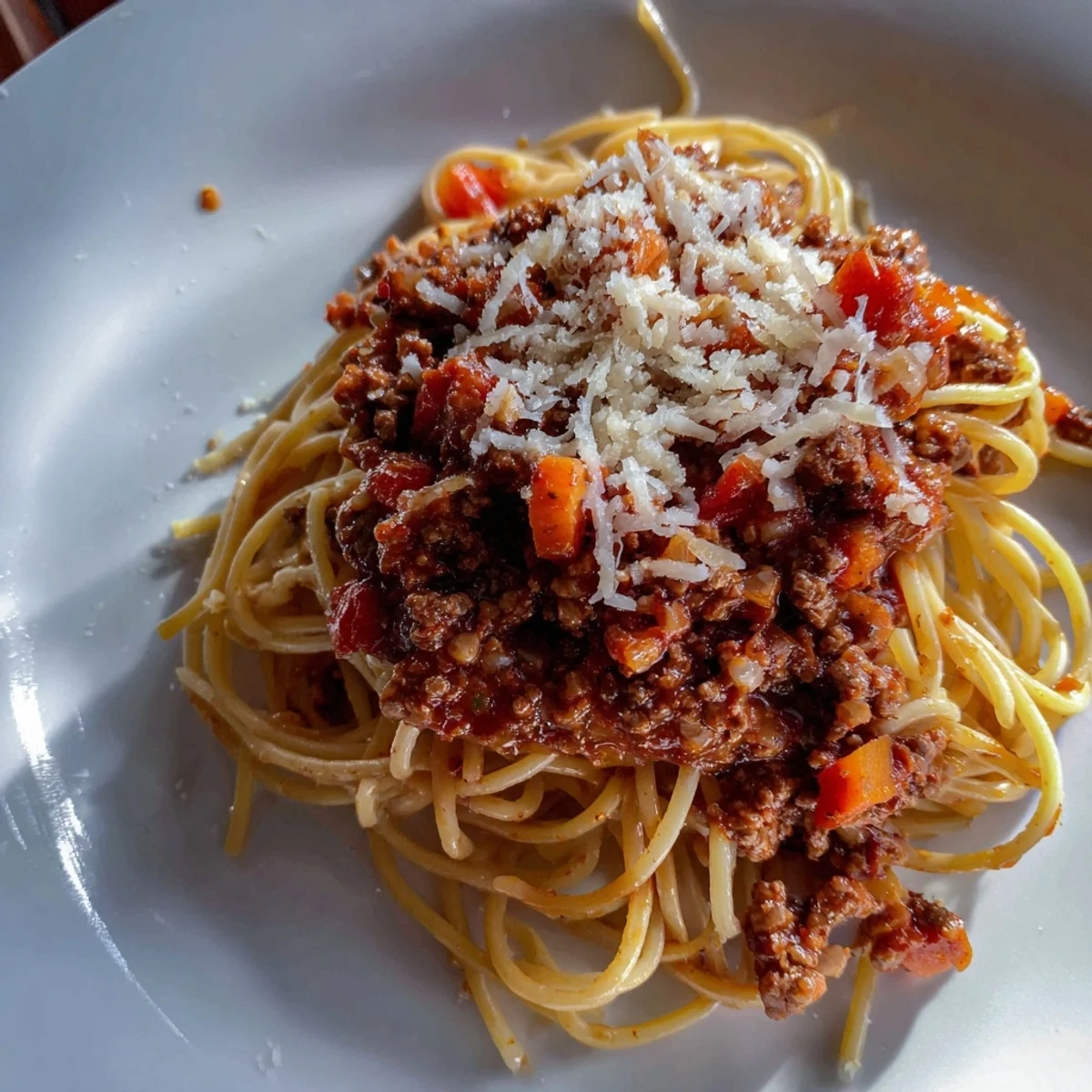
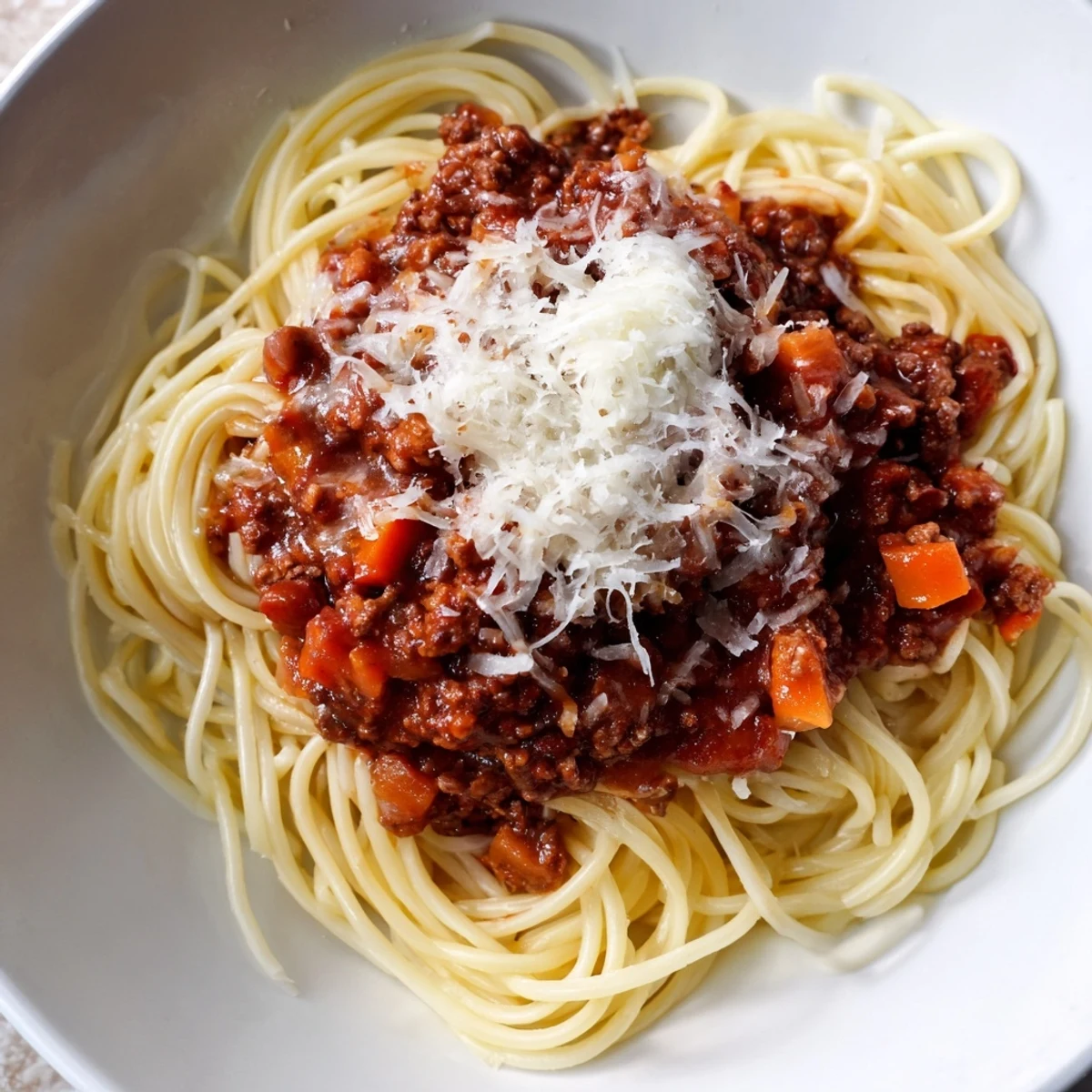
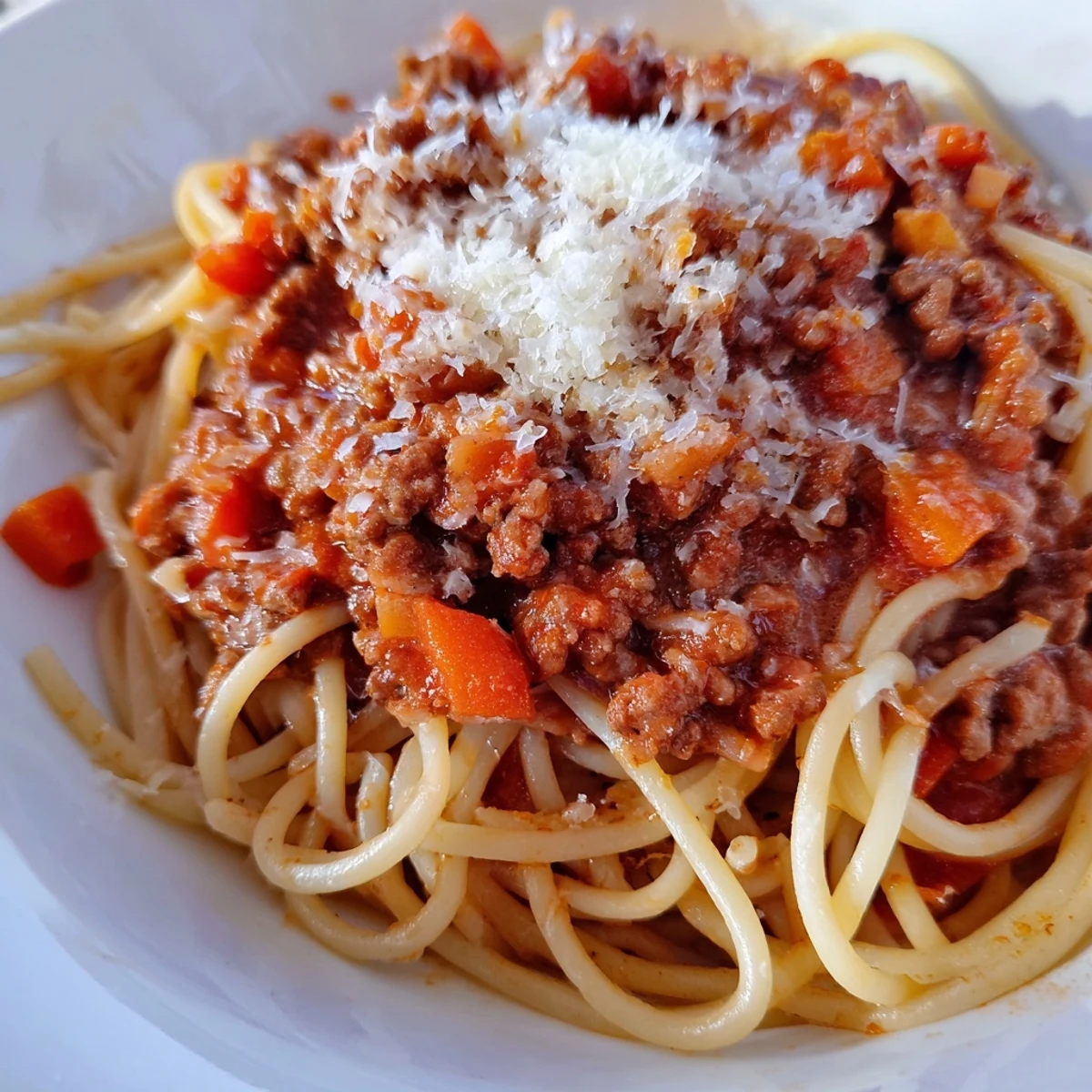
 This classic Italian dish features ground beef slowly cooked with onions, carrots, celery, garlic, and tomato, enriched with red wine and milk for a deep, savory flavor. The sauce simmers gently for about an hour to meld the ingredients, resulting in a rich, hearty texture. Served over firm, al dente spaghetti, it’s finished with freshly grated Parmesan, adding a sharp, creamy contrast. Ideal for a satisfying main course, the dish pairs well with robust red wines and can be adapted with butter or pork for varied richness.
The kitchen smelled like my grandmother's Sunday apartment, that heavy comfort of tomatoes and beef filling every corner. I'd been attempting her Bolognese for years, always missing something. Then I learned about the milk trick, and suddenly everything clicked into place. This isn't just dinner anymore, it's a tribute to patience.
Last winter my friend Marco came over while I had a batch bubbling away on the stove. He stood in the doorway, closed his eyes, and said his childhood kitchen in Bologna just materialized around us. We ate standing at the counter with wooden forks, wine glasses clinking, steam rising between our conversations about nothing and everything.
Ingredients
- 500 g ground beef (80/20): The fat ratio matters immensely here, lending richness and depth that lean beef can't deliver
- 1 medium onion, 2 small carrots, 2 celery sticks: This classic Italian soffritto base builds the foundational flavor, so chop them finely and cook them slowly
- 3 cloves garlic: Add these after the vegetables have softened, just until fragrant, because burned garlic turns bitter
- 400 g canned crushed tomatoes: Quality matters less than you'd think, but San Marzano varieties bring a natural sweetness
- 2 tbsp tomato paste: This concentrate intensifies the tomato flavor and deepens the color beautifully
- 125 ml dry red wine: The alcohol cooks off but leaves behind complexity and acid that cuts through the rich meat
- 250 ml beef or chicken stock: Homemade is ideal, but a good quality store-bought version works perfectly fine
- 2 tbsp whole milk: This traditional addition might seem strange, but it somehow mellows and rounds out all the sharp edges
- 350 g dried spaghetti: Grab a good Italian brand, the bronze-cut dies hold sauce better than smooth noodles
- 60 g Parmesan cheese, freshly grated: Never use pre-grated cheese, it won't melt properly and lacks that nutty complexity
- 2 tbsp olive oil, 1 bay leaf, 1 tsp dried oregano, 1/2 tsp dried thyme, salt and pepper: These seasonings layer in subtle herbal notes that make the sauce taste complete
Instructions
- Build your foundation:
- Heat olive oil in a large heavy-bottomed saucepan over medium heat. Add onion, carrots, and celery, sautéing for 6 to 8 minutes until they've softened and lost their raw edge.
- Add aromatic depth:
- Stir in garlic and cook for just 1 minute until fragrant. Watch closely, as garlic can turn from perfect to burned in seconds.
- Brown the beef thoroughly:
- Increase heat to medium-high, add ground beef, and cook while breaking it up with a spoon. Let it brown deeply for 8 to 10 minutes, as those browned bits create the richest flavor base.
- Concentrate the flavors:
- Stir in tomato paste and cook for 2 minutes, then pour in red wine while scraping up any browned bits from the bottom. Simmer until the wine is mostly reduced, about 3 minutes.
- Simmer slowly:
- Add crushed tomatoes, stock, bay leaf, oregano, thyme, salt, and pepper. Bring to a simmer, reduce heat to low, cover partially, and simmer gently for 45 minutes while stirring occasionally.
- Finish with finesse:
- Stir in milk and simmer for 10 minutes more. Adjust seasoning to taste and remove the bay leaf before serving.
- Cook the pasta perfectly:
- Cook spaghetti in a large pot of salted boiling water until al dente. Drain while reserving 1/2 cup of pasta water, that starchy liquid is liquid gold for bringing sauce and pasta together.
- Bring it all together:
- Toss spaghetti with a ladle of Bolognese sauce and a splash of reserved pasta water. Divide among plates, top with more sauce, and sprinkle generously with Parmesan.
 Pin It
 My daughter asked why we couldn't just use jarred sauce, pointing to the clock. I told her some things can't be rushed, that the hour we wait is part of the love we're putting into the meal. Later, with sauce smeared across her chin, she understood what I meant.
Making It Ahead
Bolognese actually improves after a night in the refrigerator. The flavors continue to develop and meld, creating an even more cohesive sauce. Store it in an airtight container for up to three days or freeze it for longer storage.
Choosing Your Wine
The wine you cook with matters, so use something you'd actually drink. Italian reds like Chianti or Barbera work beautifully, but any dry red wine will contribute that essential acidity and complexity.
Serving Suggestions
A simple green salad with bright vinaigrette cuts through the richness perfectly. Crusty bread for sopping up sauce isn't optional, it's essential. Don't forget extra Parmesan at the table.
- Grate extra Parmesan fresh at the table, that first warm shower over steaming pasta is magical
- A glass of the same red wine you used in the sauce creates a beautiful harmony
- Keep some pasta water handy until the very last moment, it can rescue a too-thick sauce instantly
 Pin It
 Some recipes are just instructions, but this one is an experience. The hours, the patience, the gradual transformation, it all becomes part of why it tastes like home.
Recipe FAQs
- → What’s the best way to cook the beef for a rich flavor?
-
Brown the ground beef over medium-high heat until fully cooked and no longer pink, which develops deeper flavors through caramelization.
- → Can the sauce be made ahead of time?
-
Yes, the sauce can be prepared in advance and reheated gently, which often enhances the depth of flavors.
- → How to keep spaghetti al dente when serving?
-
Cook spaghetti according to package instructions until just firm to the bite, then quickly toss with sauce and reserved pasta water to maintain texture.
- → What role does red wine play in the sauce?
-
Red wine adds acidity and complexity, balancing the richness of the meat and tomato components.
- → How can the sauce be made creamier?
-
Stirring in milk during the final simmer softens acidity and adds a subtle creaminess to the sauce.