
 Pin It
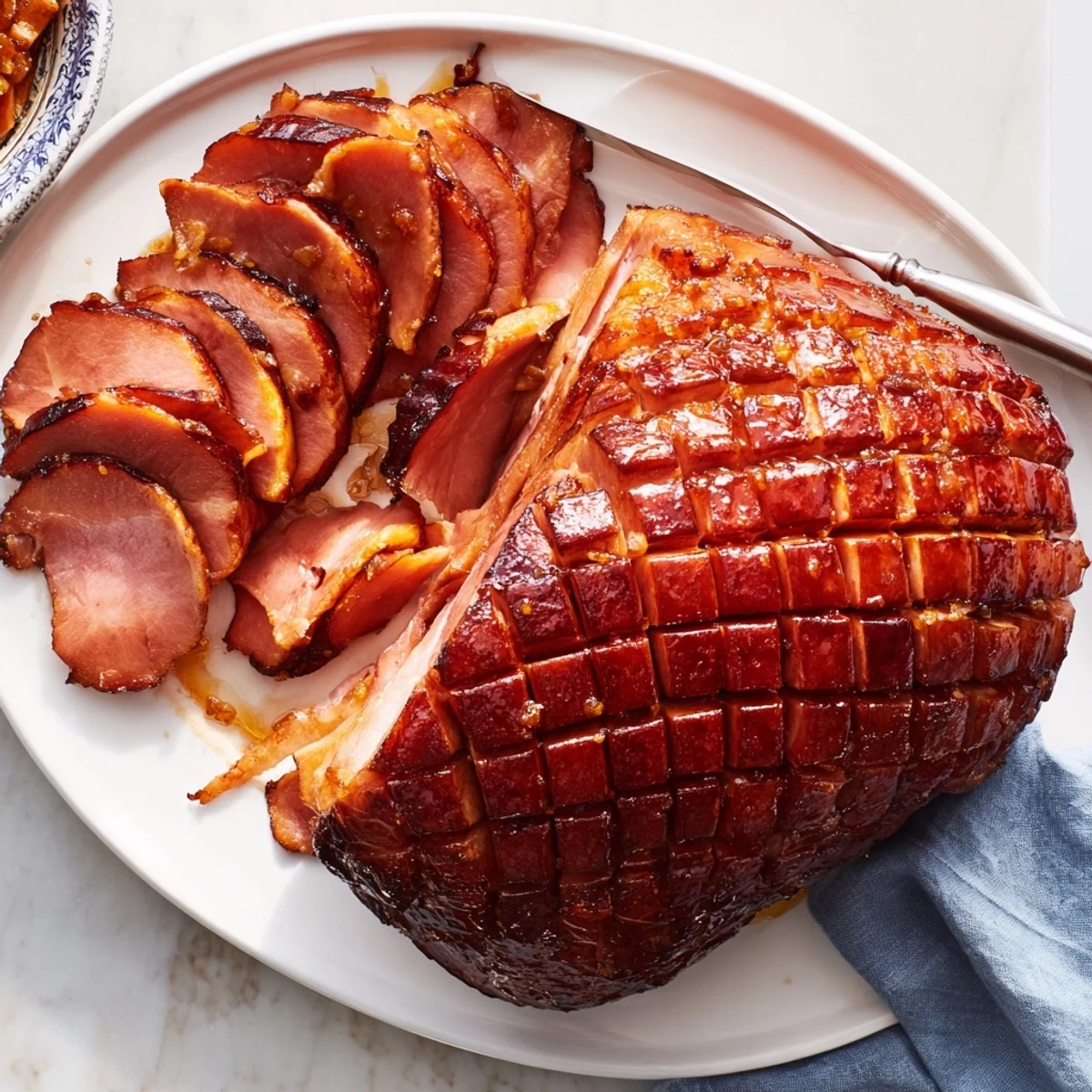
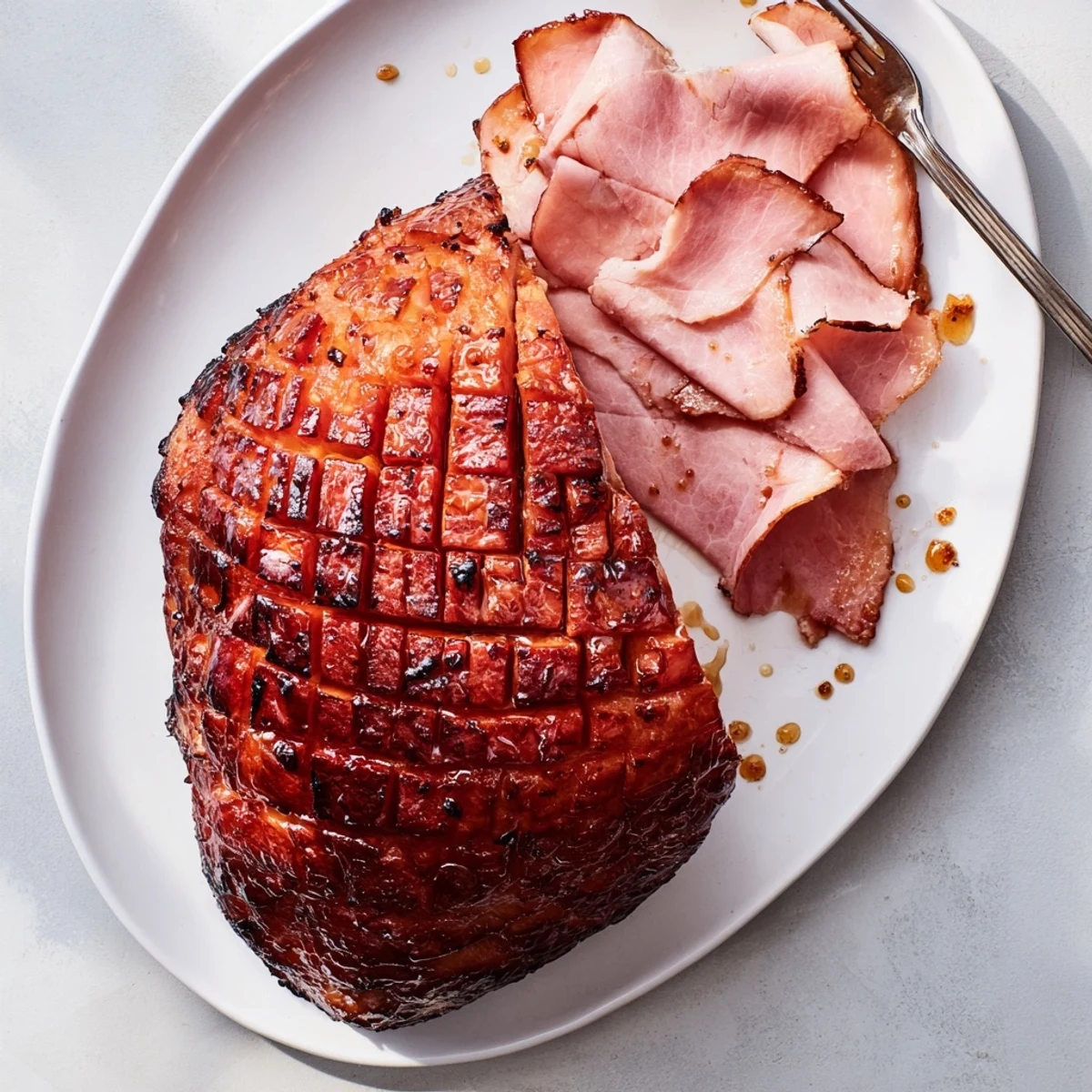
 This impressive centerpiece features a fully cooked bone-in ham scored and roasted to perfection, then finished with a glossy maple Dijon glaze. The combination of pure maple syrup, Dijon mustard, brown sugar, and warm spices creates a beautiful caramelized coating that's both sweet and tangy. With minimal hands-on time—just 15 minutes of preparation—you can create a stunning main dish that serves 10-12 people. The ham emerges from the oven with a gorgeous shine and deep flavor, making it ideal for Easter, Christmas, or any special gathering.
The smell of maple syrup hitting a hot pan takes me straight back to my grandmother's kitchen, where Sunday dinners were more about conversation than perfection. I've made this ham for every holiday since learning her secret about glazing in stages rather than all at once. There's something almost magical about watching that glossy finish develop in the oven.
Last Christmas, my brother-in-law who typically insists on ordering pizza for holiday meals actually went back for thirds. The way the caramelized bits catch the light when you bring it to the table makes it feel like a celebration before anyone even takes a bite.
Ingredients
- Fully cooked bone-in ham (8–10 lb / 3.5–4.5 kg): Bone-in hams provide better flavor and moisture retention during the long roasting process
- Pure maple syrup (1/2 cup / 120 ml): Real maple syrup creates a deeper, more complex flavor than pancake syrup ever could
- Dijon mustard (1/3 cup / 80 g): This provides the essential tang that cuts through the sweetness of the glaze
- Packed brown sugar (1/4 cup / 50 g): Helps create that beautiful caramelized finish everyone loves
- Apple cider vinegar (2 tablespoons / 30 ml): Balances the sweetness and adds subtle brightness
- Unsalted butter, melted (1 tablespoon / 15 g): Adds richness and helps the glaze adhere to the ham
- Ground black pepper (1/2 teaspoon): Adds a gentle warmth that complements the sweet elements
- Ground cloves (1/4 teaspoon): Provides that classic holiday spice flavor without overpowering
Instructions
- Preheat your oven:
- Set your oven to 325°F (165°C) with the rack positioned in the lower third to ensure even heating
- Prepare the ham:
- Remove all plastic wrapping and netting, then place the ham flat side down in a large roasting pan
- Score the surface:
- Create a crosshatch pattern by cutting about 1/4 inch deep into the fat, which helps the glaze penetrate and creates beautiful presentation
- Initial bake:
- Cover loosely with aluminum foil and bake for 1 1/2 hours to heat the ham through gently
- Make the glaze:
- While the ham bakes, whisk together maple syrup, Dijon mustard, brown sugar, apple cider vinegar, melted butter, black pepper, and cloves in a small saucepan
- Simmer the glaze:
- Bring the mixture to a simmer over medium heat, stirring occasionally until slightly thickened, about 5 minutes
- First glazing:
- Remove the foil from the ham and brush generously with the warm maple Dijon glaze
- Final bake:
- Return the ham to the oven uncovered and bake for another 30–40 minutes, basting every 10–15 minutes until glossy and caramelized
- Rest before serving:
- Let the ham rest for 15 minutes before slicing to allow the juices to redistribute
 Pin It
 My daughter asked why we only make this for special occasions, and honestly I couldn't come up with a good answer. There's something about the way the kitchen smells when this ham is in the oven that makes any Tuesday feel like a holiday.
The Art of Scoring
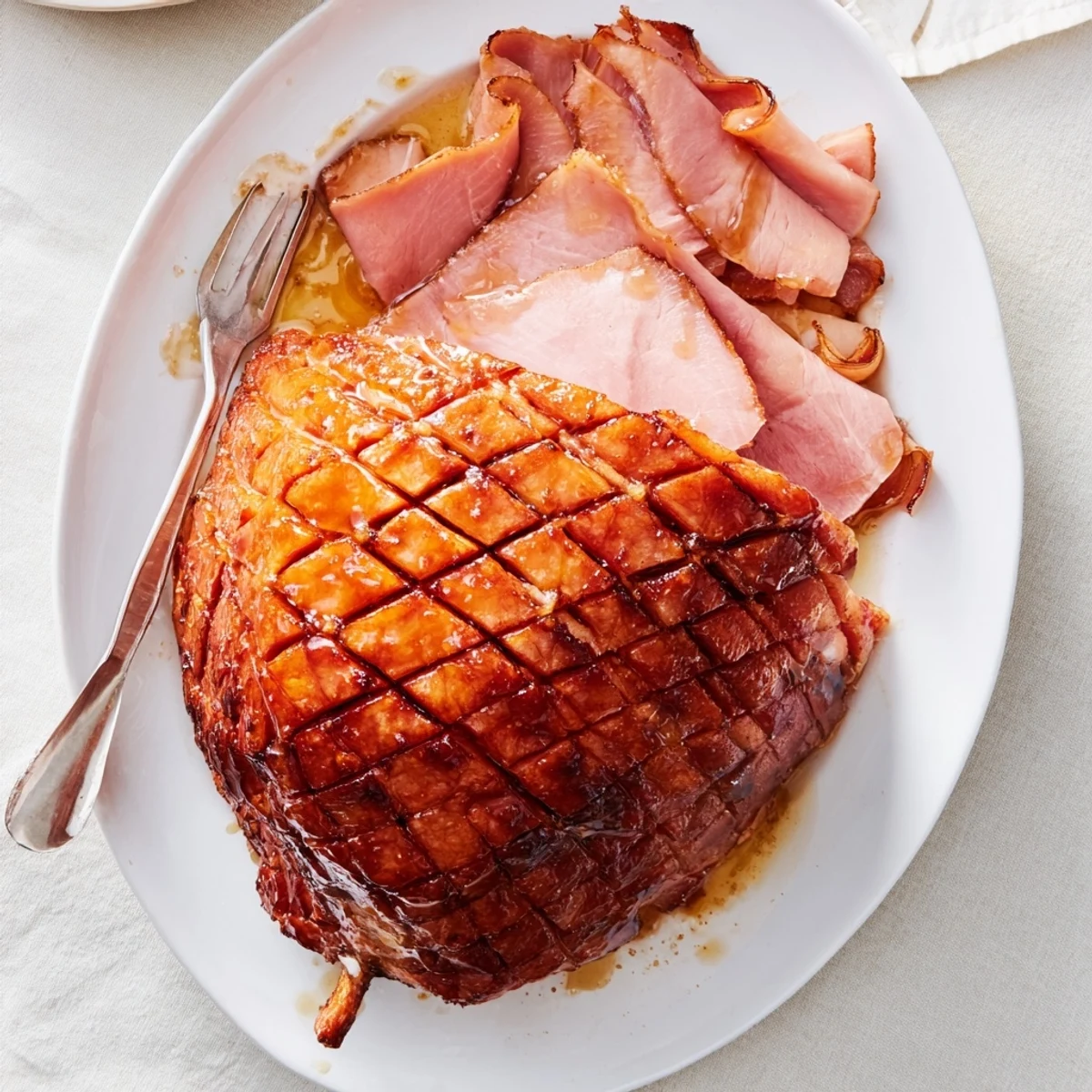
The diamond pattern you create when scoring isn't just for looks. Each cut allows the glaze to work its way into the fat, creating layers of flavor throughout. I use a sharp paring knife and try to make each line about an inch apart. The first time I skipped this step to save time, I noticed immediately that the flavor stayed on the surface instead of penetrating.
Basting Matters
That caramelized finish everyone fights over doesn't happen by accident. Each time you baste during those final 30–40 minutes, you're building layers of flavor and that gorgeous sticky coating. I keep a small bowl of warm water nearby to loosen the glaze if it thickens too much. The difference between a glazed ham and a truly great glazed ham is those extra basting steps.
Make It Your Own
Once you've mastered the basic technique, don't be afraid to experiment. Bourbon adds a lovely depth to the glaze, while a pinch of cinnamon brings warmth on cold winter nights. Some people like to stud the scored intersections with whole cloves for classic presentation.
- Add a teaspoon of bourbon to the glaze for adult gatherings
- Try honey instead of maple syrup for a different sweet profile
- Double the glaze recipe if you love extra sticky servings
 Pin It
 There's nothing quite like watching people's faces light up when you bring this ham to the table, all glossy and golden. Here's to making ordinary days feel like celebrations.
Recipe FAQs
- → What type of ham works best for this preparation?
-
A fully cooked bone-in ham weighing 8–10 pounds is ideal. The bone adds flavor and moisture during roasting, while the size provides plenty of servings for gatherings.
- → Can I make the glaze ahead of time?
-
Yes, prepare the glaze up to 2 days in advance and store it in an airtight container in the refrigerator. Warm it gently before brushing onto the ham.
- → How do I know when the ham is done?
-
Since the ham is fully cooked, you're heating it through and creating the glazed exterior. After the final baking stage, the ham should be glossy and caramelized with an internal temperature of 140°F.
- → What should I serve alongside the ham?
-
Classic pairings include roasted vegetables like Brussels sprouts or carrots, scalloped potatoes, mashed potatoes, or a fresh green salad with vinaigrette to balance the sweetness.
- → How long will leftovers keep?
-
Store leftover ham in an airtight container in the refrigerator for up to 5 days. It also freezes well for up to 2 months—slice it first for easy portioning later.
- → Can I substitute the maple syrup?
-
Honey or agave nectar can replace maple syrup, though the flavor profile will change slightly. Honey adds a floral sweetness, while agave is more neutral.