
 Pin It
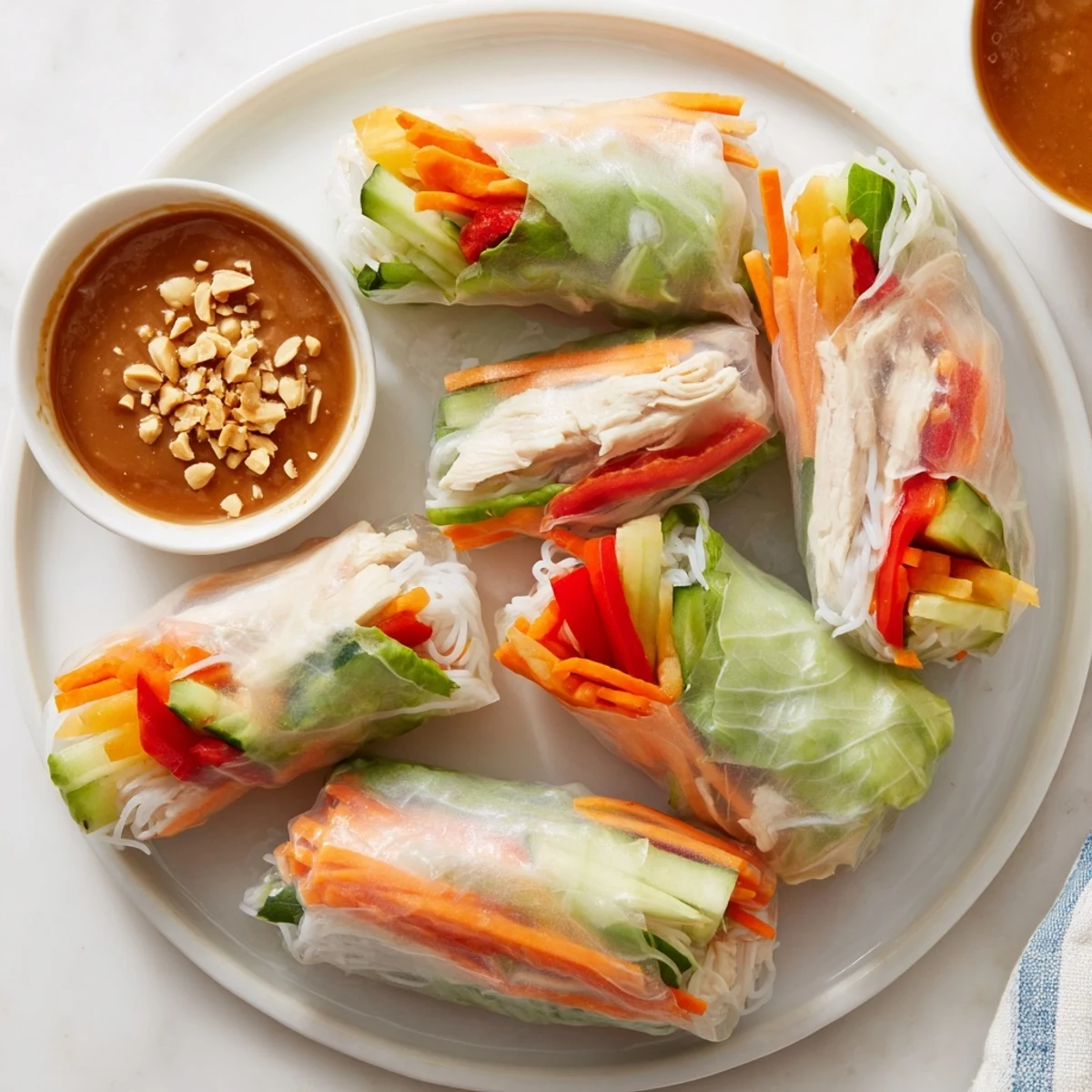
 These Vietnamese summer rolls combine tender sliced chicken with crisp julienned vegetables, rice vermicelli noodles, and fresh aromatic herbs like mint, cilantro, and Thai basil. Wrapped in delicate rice paper, they offer a perfect balance of textures and refreshing flavors.
The accompanying hoisin-peanut dipping sauce adds a rich, creamy element with subtle sweetness and optional heat from sriracha. Ready in 45 minutes, these rolls make an impressive appetizer or light meal that's naturally dairy-free and packed with vibrant ingredients.
The first time I attempted summer rolls at home, I ended up with rice paper stuck to my fingers, vegetables scattered across the counter, and a vague sense that Vietnamese grandmothers were laughing somewhere. My friend Lan had invited me over to learn the proper technique, watching my clumsy attempts with patient amusement as she demonstrated the gentle rolling motion that transforms simple ingredients into something magical.
Last summer, I made these for a garden party and watched them disappear faster than anything else on the table. Kids who usually turn their noses up at anything involving herbs were reaching for seconds, dragging their parents over to meet the person who made the delicious roll things.
Ingredients
- 8 rice paper wrappers: These delicate rounds soften quickly in warm water, becoming translucent wrappers that hold everything together beautifully
- 200 g cooked chicken breast: Thinly sliced cold chicken works perfectly here, making this an excellent way to repurpose leftover roast chicken
- 100 g rice vermicelli noodles: These thin noodles add satisfying texture and bulk to each roll without overwhelming the delicate vegetables
- 1 medium carrot and 1 small cucumber: Julienned into matchsticks, these provide essential crunch and a fresh, contrasting sweetness
- 1 red bell pepper: Thinly sliced, it brings both vibrant color and a subtle sweetness that balances the herbs
- Fresh lettuce leaves: Romaine or butter lettuce creates a sturdy foundation that prevents the rice paper from tearing
- 16 fresh mint leaves: This is the non-negotiable star that makes these taste authentically Vietnamese
- 16 fresh cilantro sprigs: Bright and citrusy, cilantro cuts through the richness of the peanut sauce
- 8 fresh Thai basil leaves (optional): If you can find it, Thai basil adds a wonderful anise-like complexity
Instructions
- Prepare your workspace:
- Cook the rice noodles according to package directions, rinse thoroughly with cold water until cool, and drain completely. Arrange all your ingredients in separate bowls within reach of your work surface. This assembly-line approach is crucial because once your hands are working with wet rice paper, you will not want to be hunting down ingredients.
- Soften the rice paper:
- Fill a large shallow dish with warm water. Dip one rice paper wrapper for just 5 to 10 seconds, feeling it soften and become pliable. Lift it carefully and lay it flat on a clean, damp kitchen towel or cutting board.
- Layer the filling:
- On the bottom third of the wrapper, place a lettuce leaf first as your foundation. Add a small handful of noodles, then arrange the chicken, carrot, cucumber, and bell pepper in a neat line. Finish with 2 to 3 leaves each of mint, cilantro, and basil.
- Roll like a pro:
- Fold the sides of the wrapper inward over the filling, then roll up tightly from the bottom into a neat cylinder. The rice paper will stick to itself, sealing everything inside. Repeat with the remaining ingredients, placing each finished roll on a plate and covering with a damp towel.
- Make the peanut sauce:
- In a small bowl, whisk together the hoisin sauce, peanut butter, soy sauce, rice vinegar, and sugar. Add warm water gradually until you reach a dippable consistency. Stir in sriracha if you like heat, then sprinkle with crushed peanuts just before serving.
 Pin It
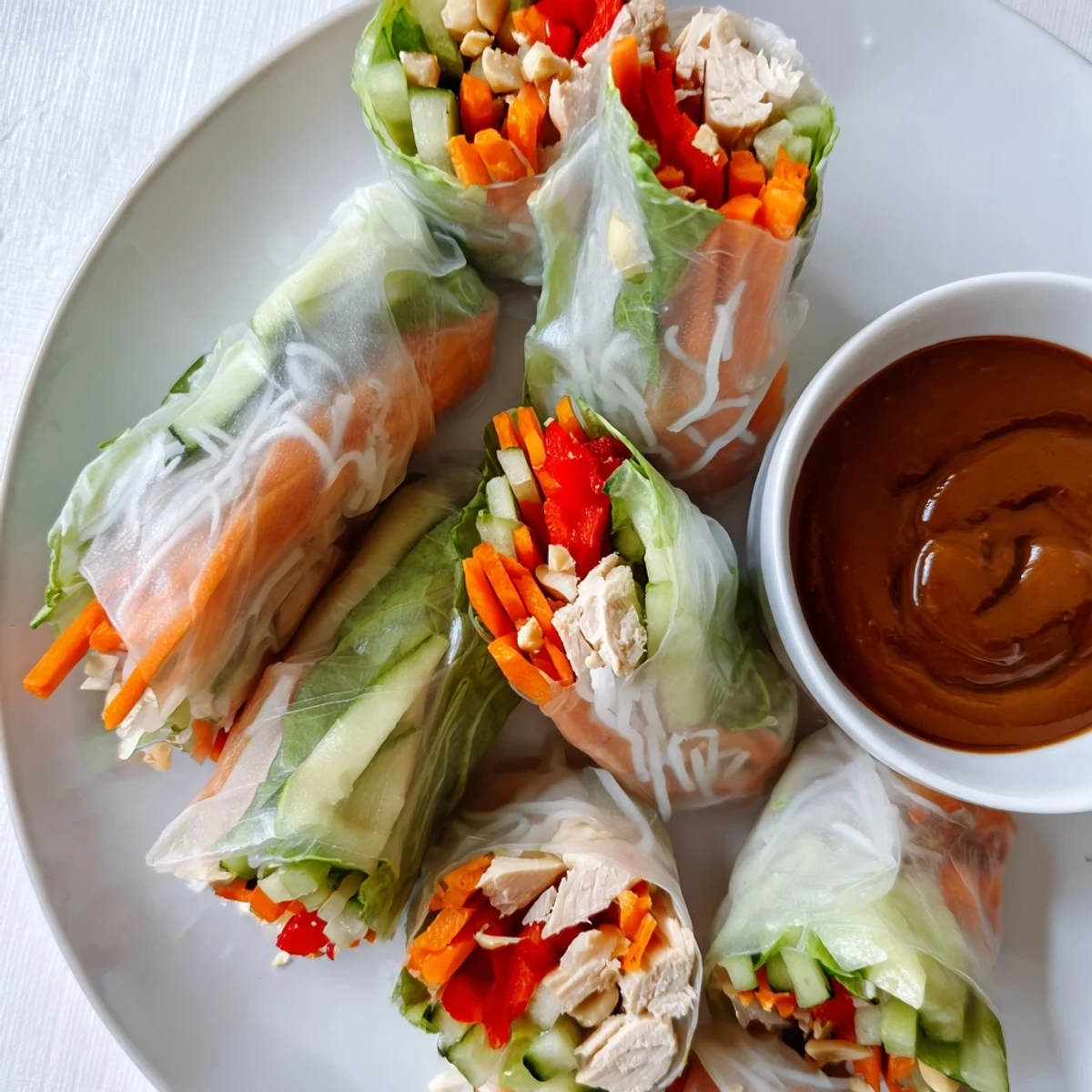
 These rolls have become my go-to contribution to potlucks because they travel well and always elicit requests for the recipe. Something about the DIY nature of Vietnamese food makes people feel like they are eating something special and handcrafted.
Perfecting the Rolling Technique
The most common mistake new cooks make is overfilling their rolls, which causes the rice paper to tear. Keep your filling line tight and centered, leaving about an inch of clear wrapper on each side. Think of it like rolling a burrito but with much gentler pressure, since the rice paper is delicate and responsive to a light touch.
Customizing Your Fillings
Once you are comfortable with the basic rolling technique, these summer rolls become infinitely adaptable. I have made them with poached shrimp, baked tofu, and even leftover grilled pork. The key is keeping your proteins thinly sliced and your vegetables julienned into uniform pieces so each roll has an even distribution of flavors.
Making These Your Own
The beauty of this recipe lies in how forgiving it is once you understand the mechanics. I have experimented with adding sliced avocado for creaminess, substituting snow peas for bell pepper in winter, and even microgreens for the herbs when my garden is overflowing. Each variation teaches me something new about balance and texture.
- Try swapping mango or jicama for cucumber when you want extra sweetness
- Leftover grilled fish works surprisingly well if you flake it into smaller pieces
- If you cannot find Thai basil, regular basil or shiso leaves make interesting substitutes
 Pin It
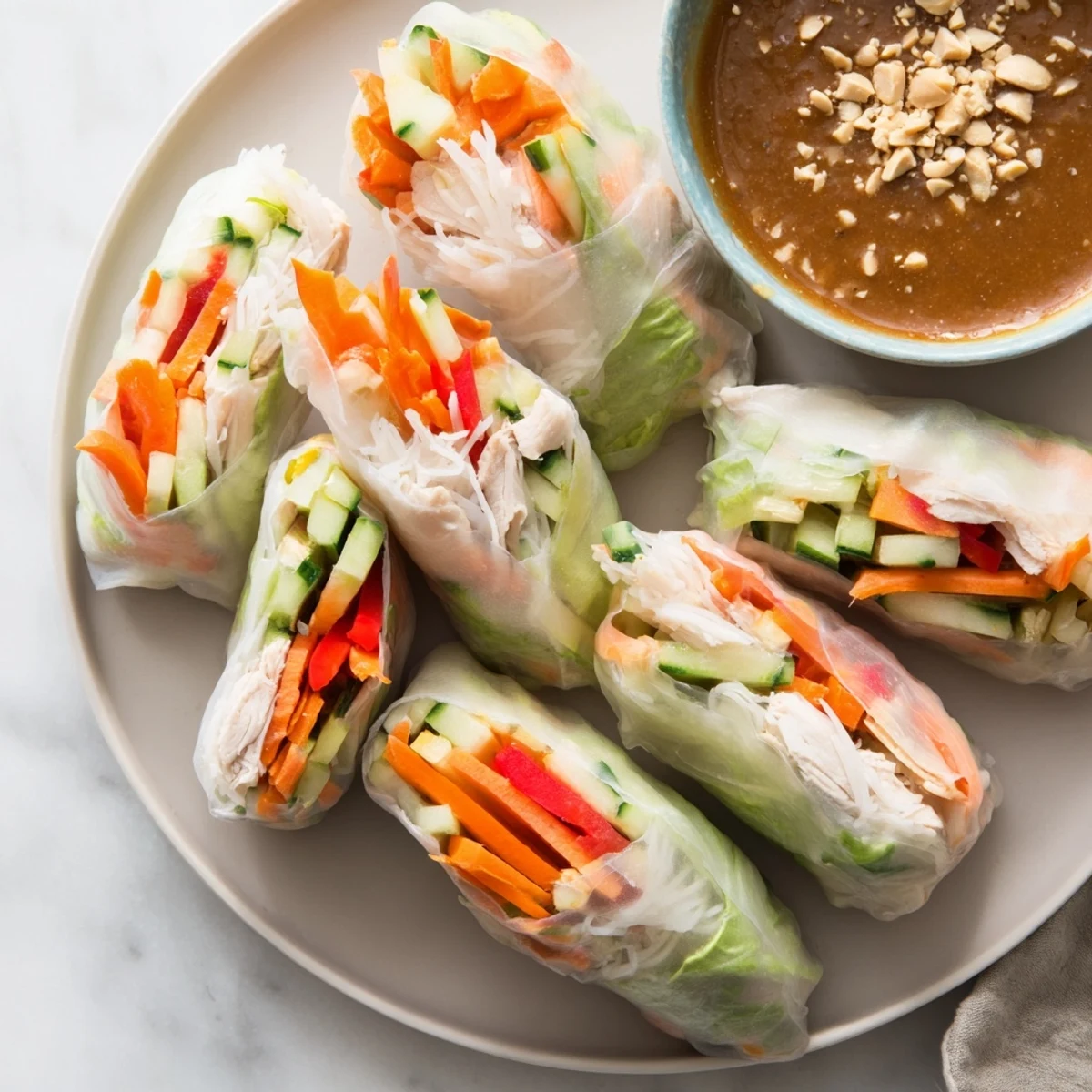
 There is something deeply satisfying about hand-rolling food, the way your fingers learn the rhythm through repetition until muscle memory takes over. These rolls taste like patience and practice, like summer afternoons spent learning something delicious with your hands.
Recipe FAQs
- → Can I make these summer rolls ahead of time?
-
Yes, you can assemble them a few hours in advance. Keep them tightly covered with a damp kitchen towel or plastic wrap to prevent the rice paper from drying out and becoming tough.
- → What other proteins work well in summer rolls?
-
Shrimp is a traditional Vietnamese alternative. For a vegetarian version, use baked or fried tofu strips. You could also use thinly sliced pork belly or grilled beef for variety.
- → How do I prevent rice paper from tearing?
-
Don't oversoak the wrappers—just 5–10 seconds in warm water until pliable. Work on a damp surface, and roll firmly but gently. Fillings should be placed in the lower third, not overfilled.
- → Can I make the dipping sauce spicier?
-
Absolutely. Add more sriracha or chili sauce to taste. You could also include fresh minced Thai chilies, garlic-chili paste, or a splash of chili oil for extra heat.
- → What's the best way to serve these rolls?
-
Serve them whole or sliced in half diagonally for easier eating. Arrange them on a platter with the dipping sauce in a small bowl alongside. They pair beautifully with iced green tea or a crisp white wine like Sauvignon Blanc.
- → Are these summer rolls gluten-free?
-
The rice paper wrappers and rice noodles are naturally gluten-free, but traditional hoisin sauce and soy sauce contain gluten. Use gluten-free versions of both to make the entire dish gluten-free.