
 Pin It
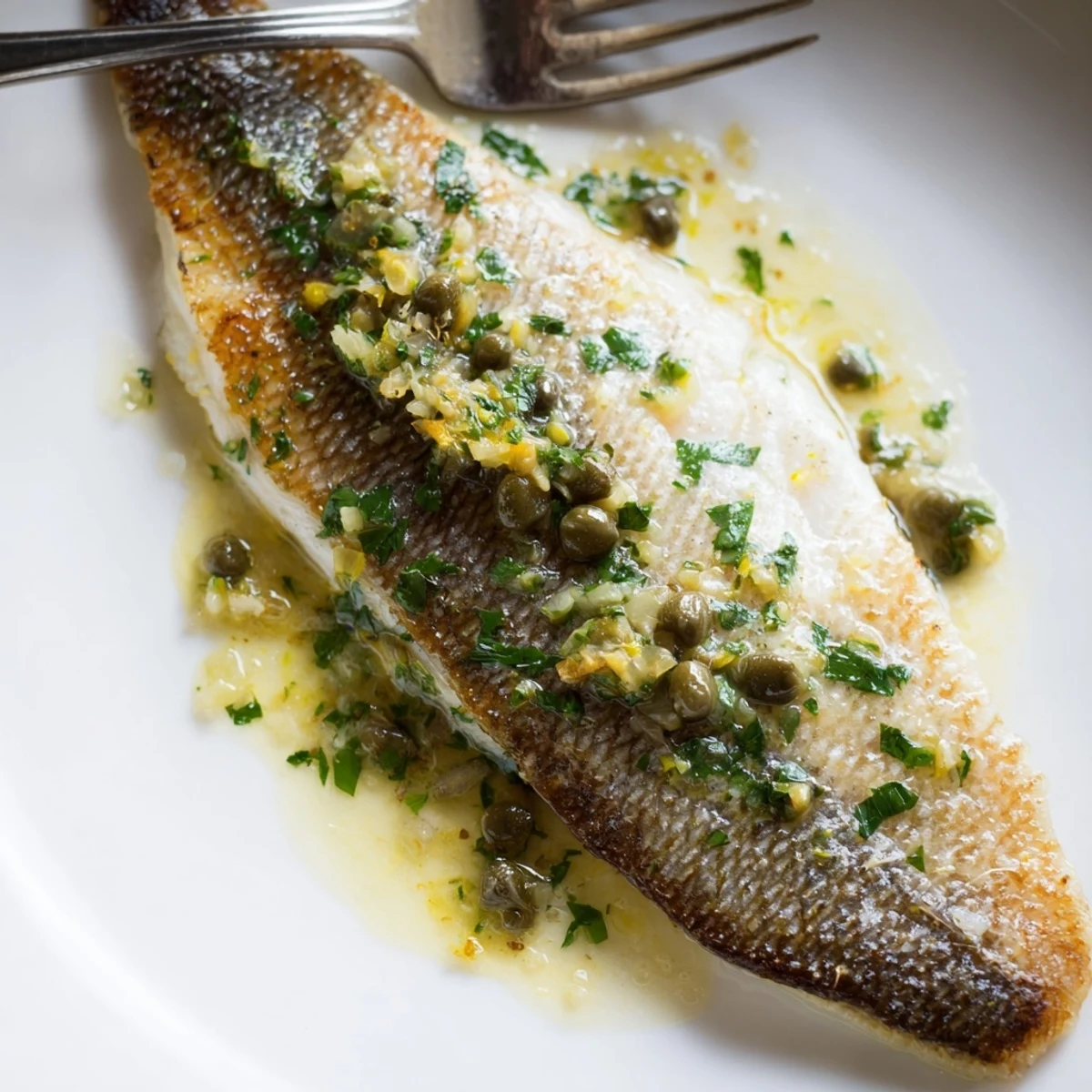
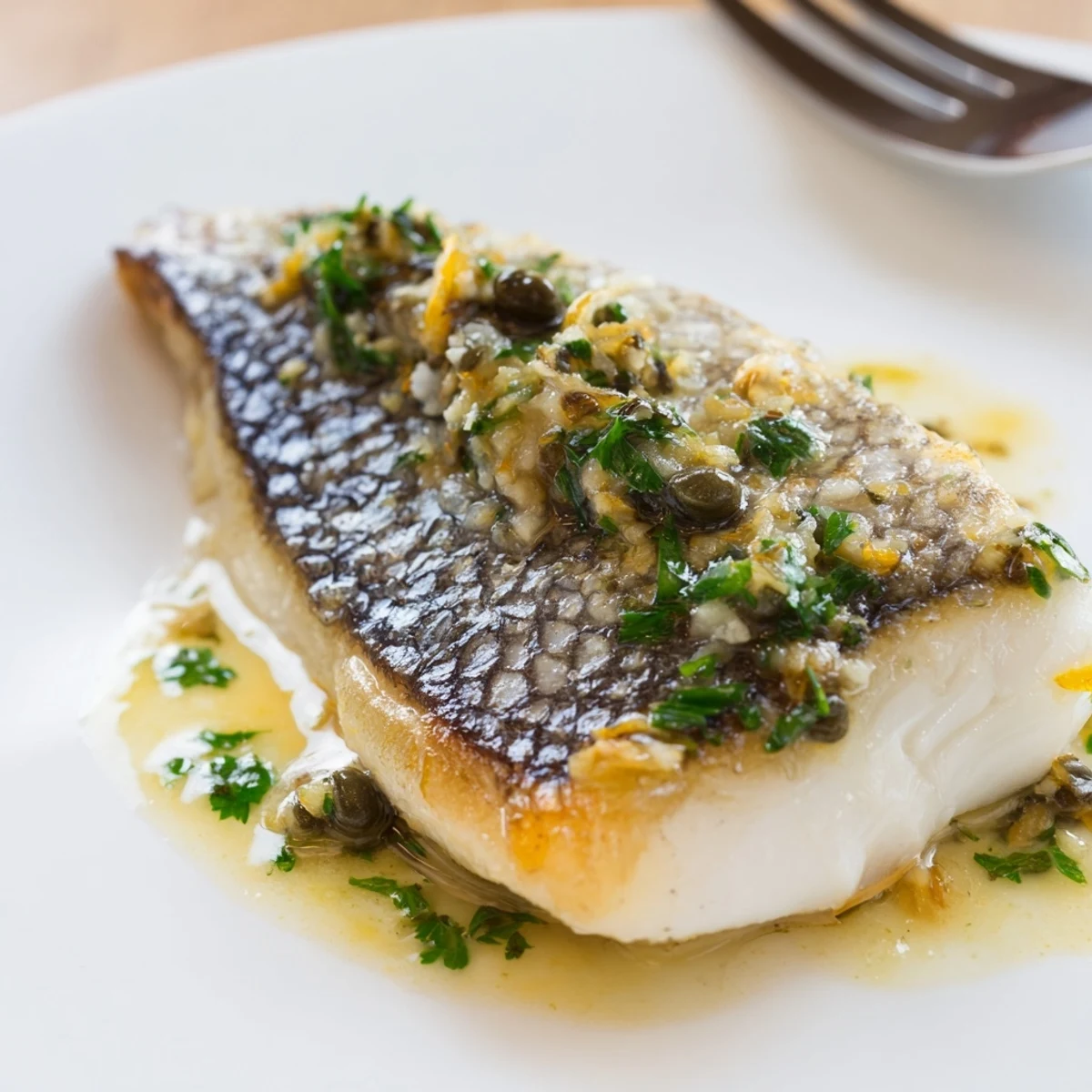
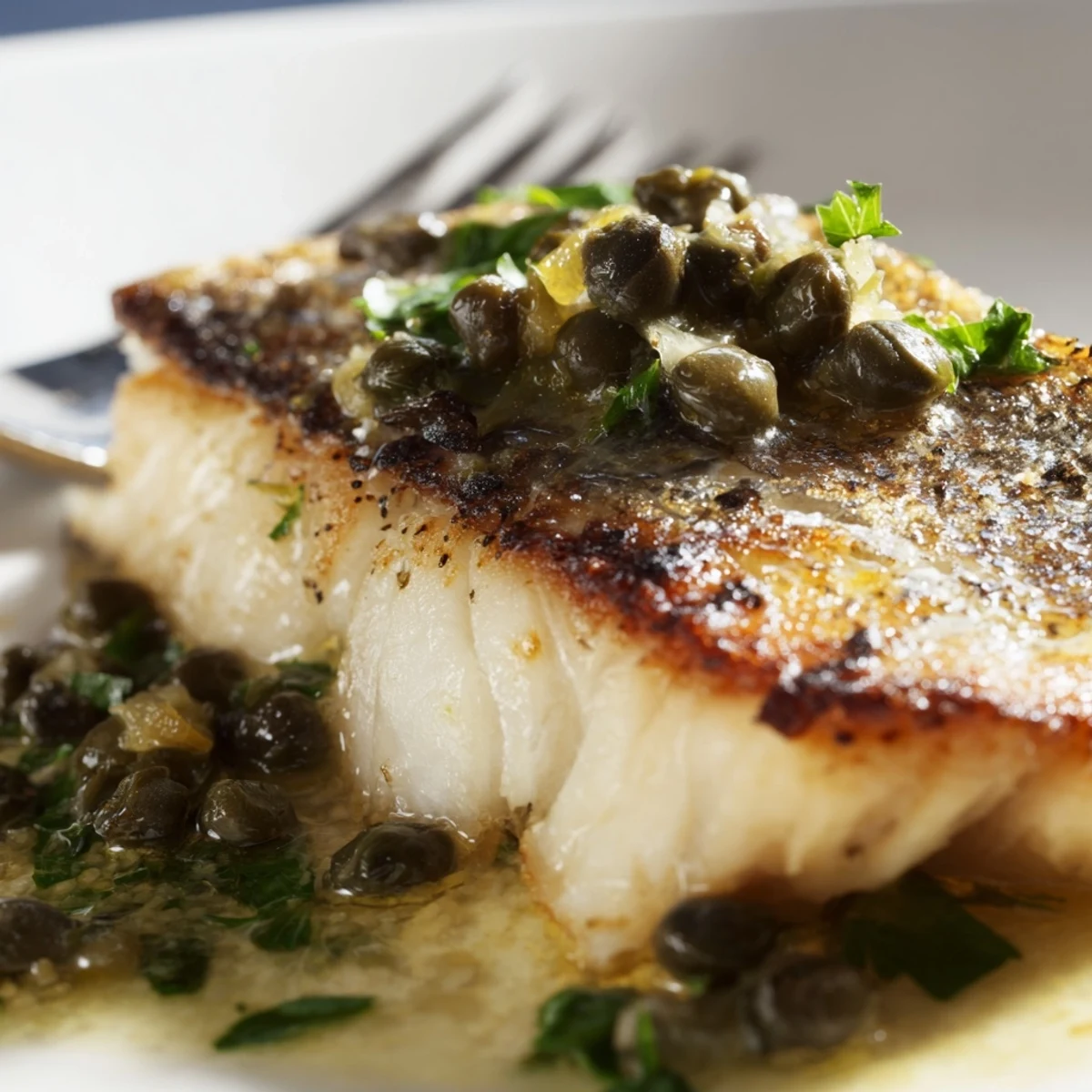
 This dish features tender sea bass fillets pan-seared to achieve a crispy skin and juicy interior. The highlight is a bright lemon caper sauce made with butter, garlic, and fresh parsley, combining tangy and savory flavors. Cooking is quick and straightforward, perfect for a sophisticated meal. Pair with roasted vegetables or steamed greens for a balanced plate.
There's something magical about the moment when sea bass skin hits hot oil and transforms into something crackling and golden. I learned this the hard way one Friday evening when I was trying to impress someone, and instead of following some fancy recipe, I just trusted my instincts, a good pan, and the smell of the kitchen telling me exactly when to flip. That night taught me that restaurant-quality food doesn't require a restaurant, just respect for simple ingredients and the patience to listen to what the pan is telling you.
I made this dish for the first time in a borrowed kitchen, where nothing was quite where I expected it to be, and the stove ran a bit hotter than home. My hands were shaking a little, but the moment that sauce hit the pan and filled the whole kitchen with the smell of butter, garlic, and lemon, everything else melted away. The person I was cooking for went quiet when they took the first bite, which is the highest compliment any cook can get.
Ingredients
- Sea bass fillets (4, about 150 g each), skin on, pin-boned: Skin-on is non-negotiable here, it's where the magic happens. Ask your fishmonger to pin-bone them so you're not hunting for tiny bones mid-bite, and they should be at room temperature before cooking.
- Kosher salt and freshly ground black pepper: Season generously, especially right before the pan, because salt on damp fish won't stick. Black pepper should be ground fresh so you taste its natural heat.
- Olive oil (2 tablespoons): Use a neutral olive oil or light olive oil that can handle the heat without burning, keeping the focus on the fish itself.
- Unsalted butter (2 tablespoons): Cold butter added after the fish has rested makes the sauce taste like it came from somewhere special.
- Garlic cloves (2), finely minced: Mince it small so it cooks evenly and doesn't leave harsh bites in the sauce.
- Capers (2 tablespoons), drained: These briny little bursts are what keep the sauce from feeling heavy, they cut through the richness like a joke that lands perfectly.
- Dry white wine or fish stock (1/4 cup): The wine deglazes the pan and picks up all those golden, savory bits left from the fish, transforming them into sauce gold.
- Lemon juice and zest (from 1 lemon): Fresh lemon is the backbone, its brightness balances everything else, so pick a heavy, fragrant lemon and zest it before cutting.
- Fresh parsley (2 tablespoons), finely chopped: Added at the end so it stays green and vibrant, finishing the sauce with fresh herbal notes that remind you spring is always in reach.
Instructions
- Prepare and season your fish:
- Pat the fillets completely dry with paper towels, because any moisture fights against that crispy skin you're after. Season both sides generously with salt and pepper right before cooking so it adheres to the flesh.
- Get the pan screaming hot:
- Heat olive oil in a large skillet over medium-high heat until it shimmers and moves like water, usually about 2 minutes. You'll know it's ready when a tiny piece of fish skin sizzles immediately.
- Sear skin-side down with intention:
- Place the fillets skin-side down and press gently with a spatula for the first 10 seconds, then let them alone for 3 to 4 minutes. Resist the urge to peek too often, that's when the skin releases and turns golden, you'll hear it change sound when it's ready.
- Flip and finish gently:
- Turn the fillets carefully and cook for 2 to 3 minutes on the flesh side, until just opaque all the way through. Transfer to a warm plate and tent loosely with foil so the residual heat keeps them warm without overcooking.
- Build the sauce in the same pan:
- Lower the heat to medium, add cold butter and let it melt slowly, then add minced garlic and let it smell amazing for about 30 seconds. Add the capers and stir for a full minute so they warm and release their flavor into the butter.
- Deglaze and simmer:
- Pour in the white wine and use a wooden spoon to scrape up all the caramelized bits stuck to the pan, these are flavor concentrated. Simmer for 1 to 2 minutes so the wine reduces slightly and loses its harsh edge.
- Finish with brightness:
- Stir in the lemon juice and zest, then taste and adjust the salt and pepper. Fold in the fresh parsley gently so it stays vibrant.
- Plate and serve immediately:
- Spoon the warm sauce over the fish, letting it pool around the fillets so every bite has sauce and fish together.
 Pin It
 This dish reminds me that cooking doesn't have to be complicated to feel luxurious, sometimes it's just about listening to what's happening in the pan and being present for it. I've made this for quiet evenings alone and for tables full of people, and somehow it always tastes like occasion.
Why This Combination Works
Sea bass has a delicate flavor that doesn't compete with anything, it just wants to shine, and that lemon caper sauce is built specifically to lift it up without drowning it. The brined capers add a salty punch, the butter brings richness, the wine adds depth, and the lemon ties it all together like the ending of a really good story. This combination is Mediterranean because it doesn't overthink anything, each element has one job and does it beautifully.
Sides That Make It Complete
This fish is delicate enough that it deserves sides that listen rather than shout. Sautéed spinach with garlic is my first instinct, it's earthy and picks up the wine flavor from the sauce, or roasted potatoes if you want something more grounding. Steamed asparagus is the classic for a reason, its slight bitterness balances the sauce's richness perfectly, or you could do a simple green salad with a light vinaigrette to keep everything bright.
Small Tricks That Change Everything
Restaurant kitchens have a few secrets that home cooks sometimes miss, and most of them come down to timing and temperature management. The pan temperature, the dryness of the fish, the order you add ingredients to the sauce, these small decisions are what separate a good dinner from one people remember. I've learned that letting ingredients rest and come to the right temperature before cooking makes a difference you can actually taste, not just read about in a recipe.
- If your lemon is sitting in the fridge, bring it to room temperature first so you get maximum juice from the squeeze.
- A pinch of chili flakes stirred into the sauce right at the end adds a whisper of heat that makes the lemon taste even brighter.
- You can substitute sea bass with snapper or cod if that's what looks best at the market, the technique stays exactly the same.
 Pin It
 Cook this dish when you want to feel capable and celebrate what you can do with your hands and a good pan. It's the kind of meal that reminds you why cooking matters.
Recipe FAQs
- → How can I ensure the sea bass skin is crispy?
-
Pat the fillets dry and sear skin-side down in hot olive oil without moving them for 3–4 minutes until golden and crisp.
- → Can I substitute white wine in the sauce?
-
Yes, you may use fish stock or a light broth as an alternative for a similar depth of flavor.
- → What sides complement pan-seared sea bass?
-
Sautéed spinach, roasted potatoes, or steamed asparagus pair beautifully with this dish.
- → Is it necessary to use butter in the sauce?
-
Butter adds richness, but it can be replaced with a dairy-free alternative if preferred, maintaining the sauce's texture.
- → How do I adjust seasoning in the lemon caper sauce?
-
Taste after simmering and season with salt, pepper, or a pinch of chili flakes to enhance the sauce's brightness.