
 Pin It
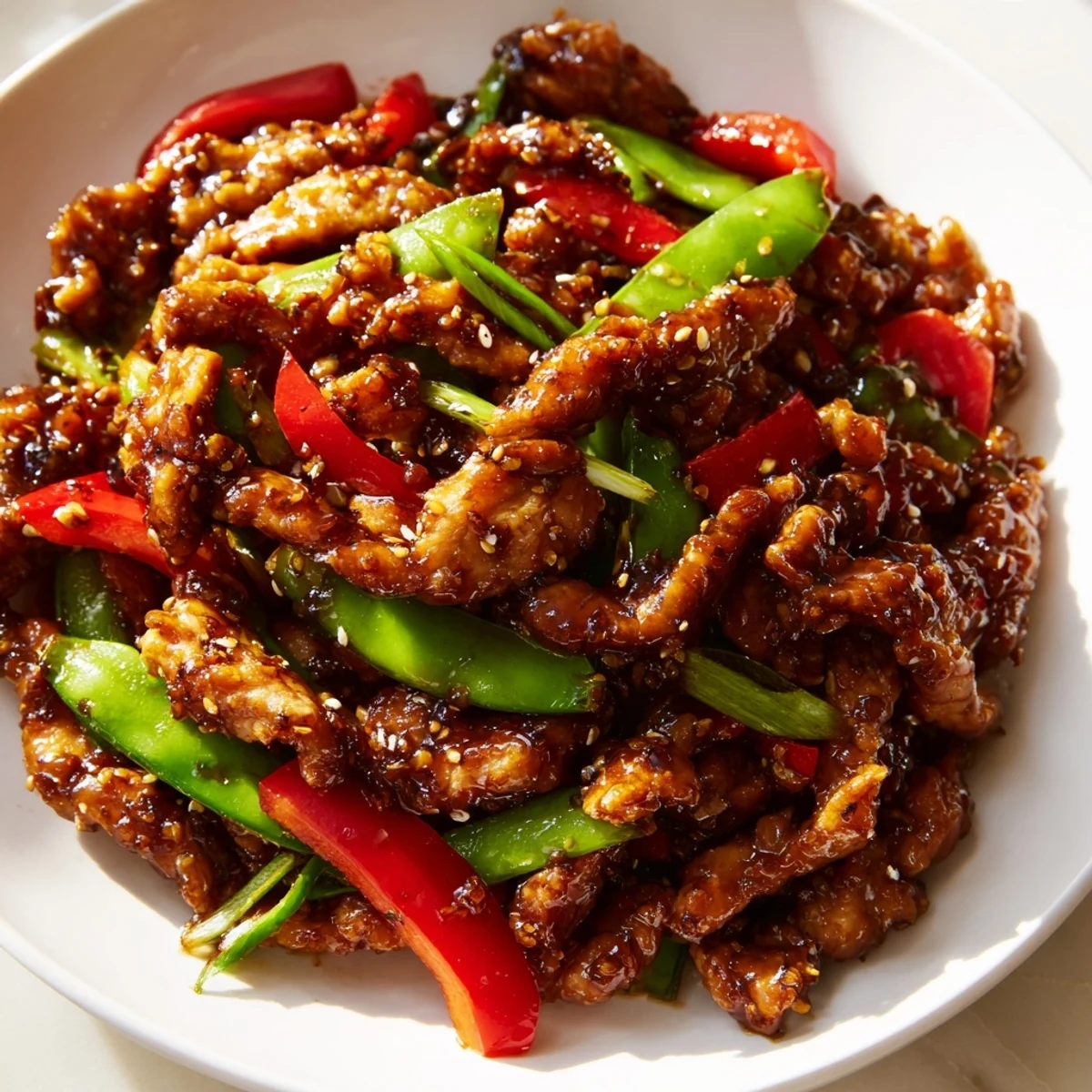
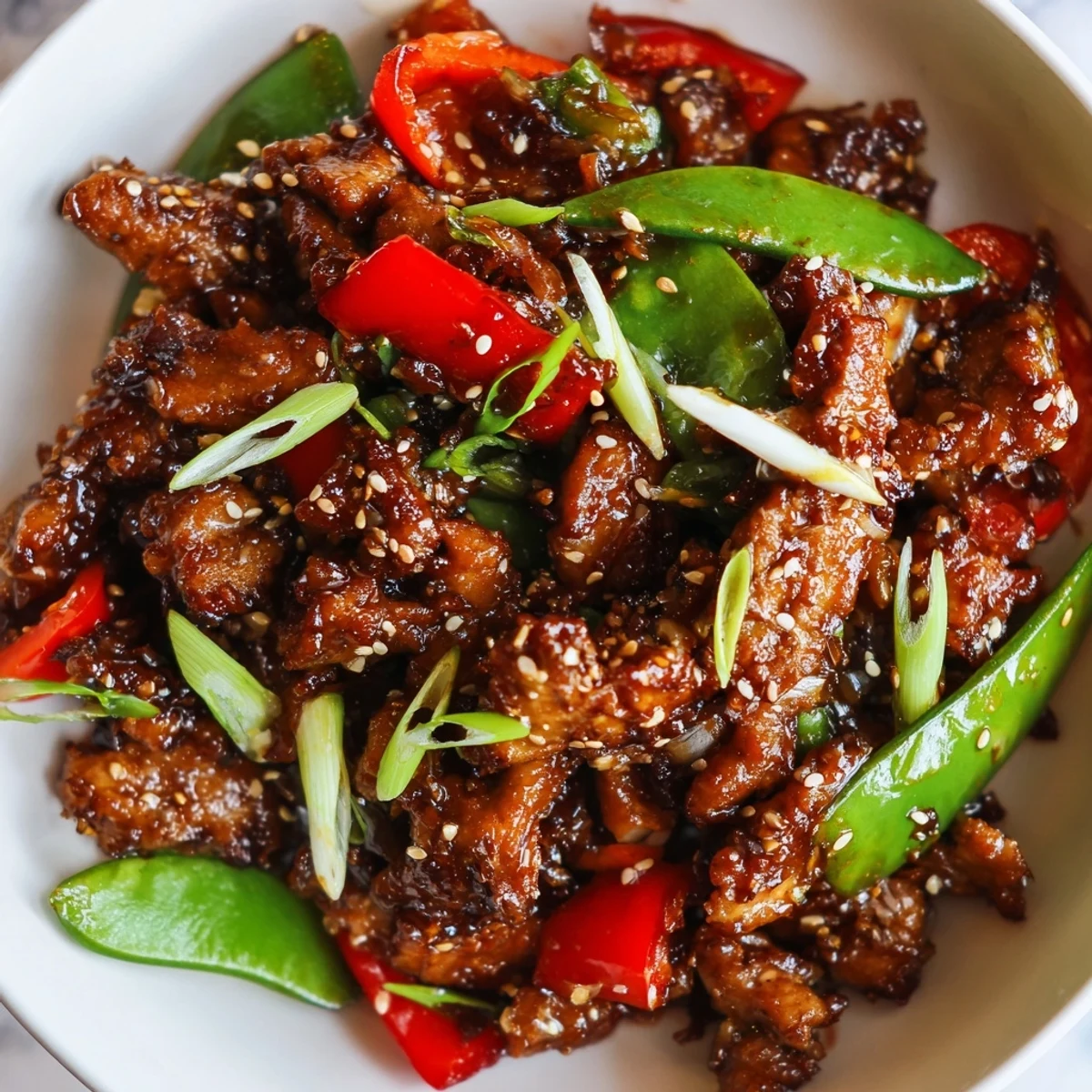
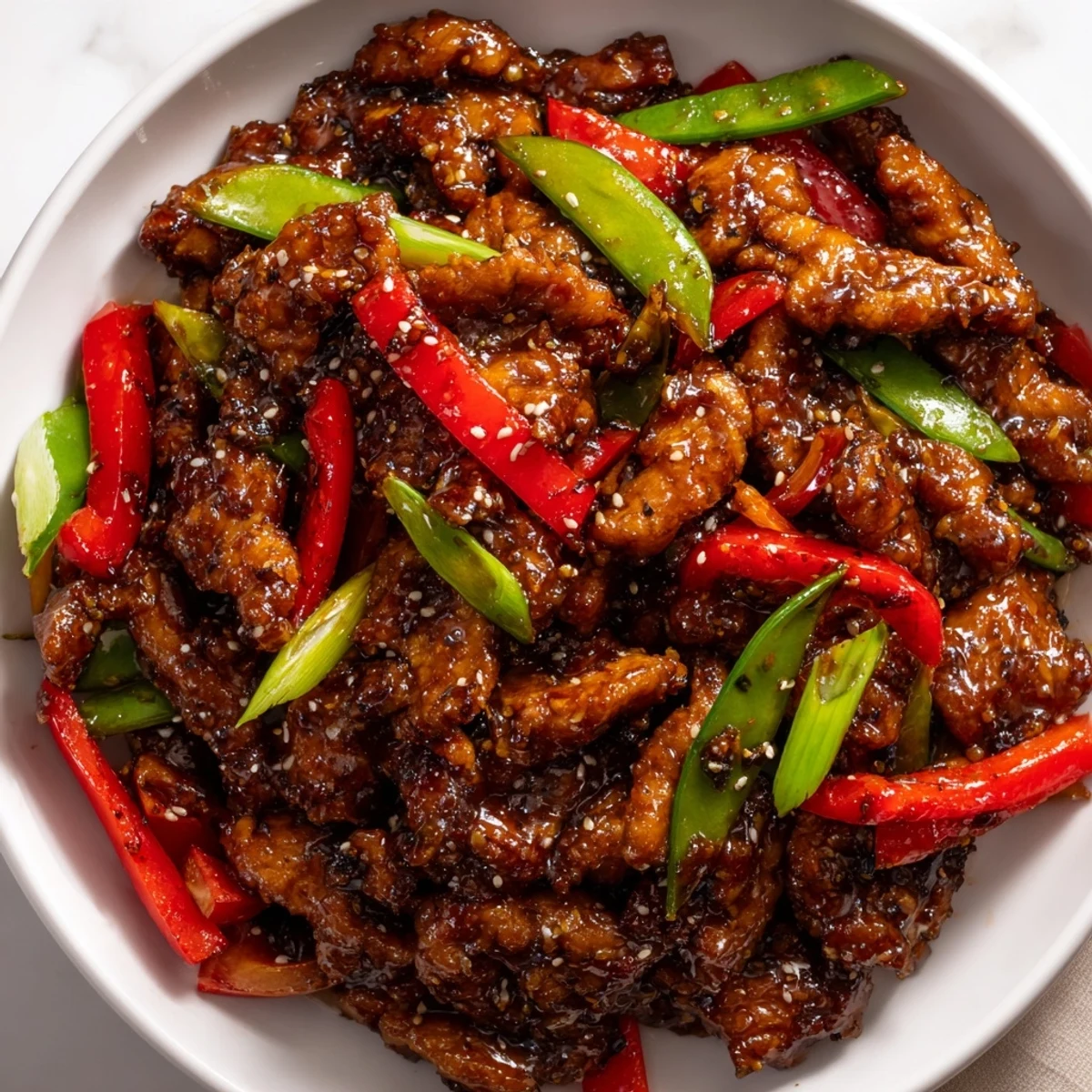
 This classic Chinese stir-fry brings together juicy marinated chicken breast with a bold garlic sauce that coats every bite. The dish comes together quickly in a hot wok, making it ideal for busy weeknights when you crave something deeply flavorful.
Bell peppers and snow peas add crunch and color, while a combination of soy sauce, oyster sauce, and sesame oil creates an aromatic, umami-rich glaze. Serve it over steamed jasmine rice for a complete meal that satisfies four people in about 30 minutes from start to finish.
The sizzle of chicken hitting a smoking hot wok is one of those sounds that instantly transports me to the narrow kitchens of my favorite takeout spots, where everything moves fast and smells incredible. I spent years convinced that kind of garlicky, velvety chicken was impossible to replicate at home until a friend handed me her wok and refused to let me order delivery one rainy Tuesday night. Thirty minutes later I stood there fork in hand, genuinely shocked that I had just made something this good in my own kitchen.
My roommate walked in right as the garlic hit the pan and immediately started grabbing plates before I had even finished cooking. That is the power of this dish, it draws people to the kitchen and makes them impatient in the best possible way.
Ingredients
- Boneless skinless chicken breast (500 g): Slice it against the grain into even strips so every piece cooks at the same rate and stays tender.
- Soy sauce (1 tablespoon for marinade plus 2 tablespoons for sauce): This builds salt and umami in two layers, one that soaks into the meat and one that coats everything at the end.
- Shaoxing wine (1 tablespoon): Adds a subtle sweetness and depth that regular cooking wine cannot match, though dry sherry works in a pinch.
- Cornstarch (1 tablespoon): This is the velveting agent that creates a protective coating on the chicken and thickens the sauce as it finishes.
- Red bell pepper (1, sliced): Brings color and a sweet crunch that balances the aggressive savoriness of the garlic sauce.
- Snow peas (1 cup, trimmed): They cook in under two minutes and offer a fresh snap that keeps the dish feeling light.
- Green onions (3, sliced on the diagonal): Added at the very end for a mild onion bite and a bright garnish.
- Garlic (5 cloves, finely minced): The star of the sauce, finely minced so it disperses evenly and blooms quickly in hot oil.
- Oyster sauce (1 tablespoon): Contributes a caramel like richness that rounds out the soy sauce and ties the whole sauce together.
- Sesame oil (1 teaspoon): Just a small amount in the sauce adds a nutty aroma that makes the dish taste finished.
- Sugar (1 teaspoon): Balances the saltiness of the soy and oyster sauces without making anything sweet.
- Chicken broth (1/4 cup): Provides the liquid backbone that lets the sauce coat every strip of chicken and every vegetable.
- Neutral oil (2 tablespoons): Canola or peanut oil can handle the high heat needed for proper stir frying without burning.
- Freshly ground black pepper: A final seasoning that adds gentle warmth without competing with the garlic.
Instructions
- Marinate the chicken:
- Toss the chicken strips with soy sauce, Shaoxing wine, and cornstarch in a bowl until every piece is evenly coated, then let it sit for ten minutes while you prep everything else.
- Mix the sauce:
- Combine garlic, soy sauce, oyster sauce, sesame oil, sugar, and chicken broth in a small bowl, stir until the sugar dissolves, and set it within arms reach of the stove.
- Stir fry the chicken:
- Heat the oil in a large wok or skillet over high heat until it shimmers, then spread the chicken in a single layer and let it sear for two to three minutes before tossing until just opaque, then remove it to a plate.
- Cook the aromatics and vegetables:
- In the same wok, toss the minced garlic for about thirty seconds until you can smell it bloom, then add the bell pepper and snow peas, cooking for two minutes until the pepper softens slightly but still has bite.
- Bring it all together:
- Return the chicken to the wok, pour in the sauce, and toss everything vigorously for one to two minutes until the chicken is cooked through and the sauce thickens into a glossy coating.
- Finish and serve:
- Scatter the green onions and black pepper over the top, give it one final toss, and serve immediately over steamed jasmine rice while everything is still piping hot.
 Pin It
 One evening I doubled the recipe for a small dinner party and watched four adults go completely silent around the table after the first bite, which is honestly the highest compliment a home cook can receive.
The Wok Makes All The Difference
A well seasoned carbon steel wok conducts heat in a way that no standard nonstick pan can match, creating those slightly charred edges that taste distinctly like restaurant cooking. If you do not own a wok, a large cast iron skillet works surprisingly well as long as you let it get genuinely hot before adding the oil.
Swapping In Your Favorite Vegetables
This recipe is forgiving and welcomes substitutions based on what is sitting in your crisper drawer at the end of the week. Broccoli florets, julienned carrots, sliced mushrooms, or even baby corn all work beautifully with the garlic sauce.
Getting That Restaurant Quality Finish
The glossy, clinging sauce that coats every piece of chicken is entirely the work of cornstarch, and understanding how it behaves changed my stir frying forever.
- Mix the sauce right before adding it to the wok because cornstarch settles quickly at the bottom of the bowl.
- Never add cornstarch directly to a hot pan, always dissolve it in cold liquid first to prevent lumps.
- Remove the wok from heat the moment the sauce thickens or it will break down and become watery again.
 Pin It
 Keep a cold lager or a glass of off dry Riesling nearby, because this chicken deserves a proper pairing and you deserve to enjoy the meal you just pulled off in half an hour.
Recipe FAQs
- → What cut of chicken works best for this stir-fry?
-
Boneless, skinless chicken breast is ideal because it cooks quickly and stays tender when sliced into thin strips. You can also use chicken thighs if you prefer darker meat with slightly more richness and juiciness.
- → Can I substitute Shaoxing wine with something else?
-
Yes, dry sherry is the closest substitute for Shaoxing wine. If you don't have either, you can use mirin or even a splash of chicken broth with a tiny pinch of sugar to approximate the depth that Shaoxing wine provides.
- → How do I keep the chicken tender and not rubbery?
-
The cornstarch in the marinade creates a protective coating that seals in moisture—a technique known as velveting. Also, avoid overcooking the chicken; stir-fry it just until opaque, remove it from the wok, and return it only at the final stage to finish in the sauce.
- → What vegetables can I use instead of bell peppers and snow peas?
-
Broccoli florets, sliced carrots, snap peas, baby corn, bok choy, or mushrooms all work wonderfully. Choose vegetables with varying textures and colors for the best presentation and bite. Just adjust cooking times accordingly—harder vegetables like carrots need a minute or two longer.
- → Is this dish gluten-free?
-
As written, it is not gluten-free due to the soy sauce and oyster sauce. To make it gluten-free, use tamari instead of regular soy sauce and look for certified gluten-free oyster sauce. Always check labels on all condiments to be certain.
- → Why cook the chicken in two stages?
-
Removing the chicken after the initial sear prevents overcooking. You then cook the vegetables and garlic, and return the chicken only at the end to coat it in sauce. This method ensures each component is cooked perfectly without anything turning tough or mushy.