
 Pin It
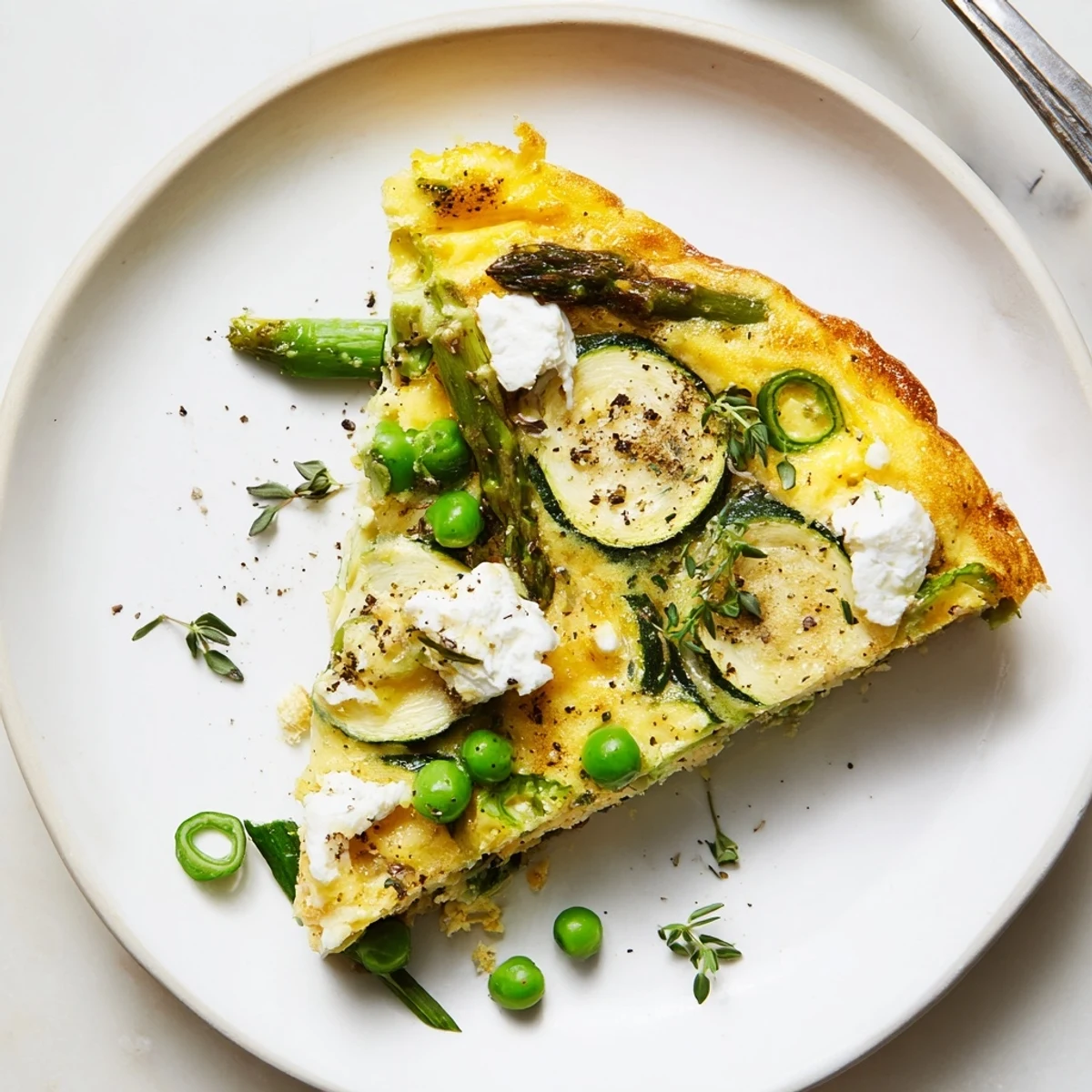
 Quick overview: In about 40 minutes total (15 minutes prep, 25 minutes cook) this spring frittata layers sautéed asparagus, zucchini, scallions, spinach and peas with beaten eggs and crumbled goat cheese for a tender, custardy center and lightly golden top. Start on the stove to set the edges, then finish in a 375°F oven until cooked through. Serves four; swap herbs or cheeses, or use plant-based alternatives. Serve warm or at room temperature with a light salad or crusty bread.
The Farmers Market on Saturday morning had piles of asparagus so green they looked almost fake, and I grabbed a bundle without any plan beyond roasting them with olive oil. Then I spotted the goat cheese vendor handing out samples, and everything clicked into place. A frittata was happening whether my kitchen was ready or not.
My neighbor Dave wandered over while I was whisking eggs and ended up staying for two slices, standing in the kitchen, telling me about his daughters graduation while the skillet cooled on the stovetop.
Ingredients
- 1 cup asparagus, trimmed and cut into 1-inch pieces: The star of the show here, so pick stalks that are thin and firm, thick woody ones will let you down.
- 1 cup baby spinach: It wilts down to almost nothing, so do not be shy with the handfuls.
- 1/2 cup frozen peas, thawed: Frozen peas are sweeter and more reliable than fresh ones, just let them sit in warm water for a few minutes.
- 1 small zucchini, sliced into thin half-moons: Slice these thin so they cook through at the same rate as the asparagus.
- 4 scallions, thinly sliced: These add a mild onion sweetness that regular onions would overpower.
- 8 large eggs: Room temperature eggs blend more smoothly, so take them out of the fridge first thing.
- 1/4 cup whole milk or cream: This is what keeps the frittata tender instead of rubbery, skip it and you will notice.
- 1/2 teaspoon salt: Seasoning the egg mixture directly distributes flavor better than salting at the end.
- 1/4 teaspoon black pepper: Freshly cracked makes a real difference here since there are so few ingredients.
- 1/2 teaspoon fresh thyme leaves (or 1/4 teaspoon dried): Thyme and eggs have a quiet friendship that most people overlook.
- 4 oz (about 115 g) goat cheese, crumbled: Crumble it while cold, then let it come to room temperature so it melts beautifully in the oven.
- 1 tablespoon olive oil: Just enough to coat the vegetables and keep everything from sticking.
Instructions
- Preheat and prepare:
- Crank your oven to 375 degrees Fahrenheit and make sure the rack is in the center position. Pull out your ovenproof skillet now so you are not scrambling later with a hot pan.
- Sauté the sturdy vegetables:
- Heat olive oil in that skillet over medium heat and add the asparagus, zucchini, and scallions. Listen for that gentle sizzle and cook for about three to four minutes until the asparagus bends slightly when you nudge it.
- Wilt the greens:
- Toss in the spinach and thawed peas, stirring for a minute or two until the spinach collapses into bright green ribbons. The peas just need to warm through, not actually cook further.
- Whisk the egg mixture:
- In a bowl, whisk the eggs, milk, salt, pepper, and thyme until you see no translucent streaks of egg white. This should take about thirty seconds of enthusiastic whisking.
- Combine and distribute:
- Spread the vegetables into an even layer across the skillet, then pour the egg mixture right over the top. Give the pan a gentle shimmy so the eggs seep into every corner and around every vegetable piece.
- Add the goat cheese:
- Scatter the crumbled goat cheese evenly across the surface, dropping it in little clouds rather than one big clump. Those scattered pockets are what make each slice exciting.
- Set the edges on the stovetop:
- Keep the pan on low to medium heat for three to four minutes without touching it, just until you see the edges pull away slightly from the sides. The center will still look wet and that is exactly right.
- Finish in the oven:
- Transfer the whole skillet into the oven and bake for twelve to fifteen minutes until the center is just set and the top has a faint golden blush. A slight jiggle in the very middle is fine since it will continue cooking from residual heat.
- Rest and serve:
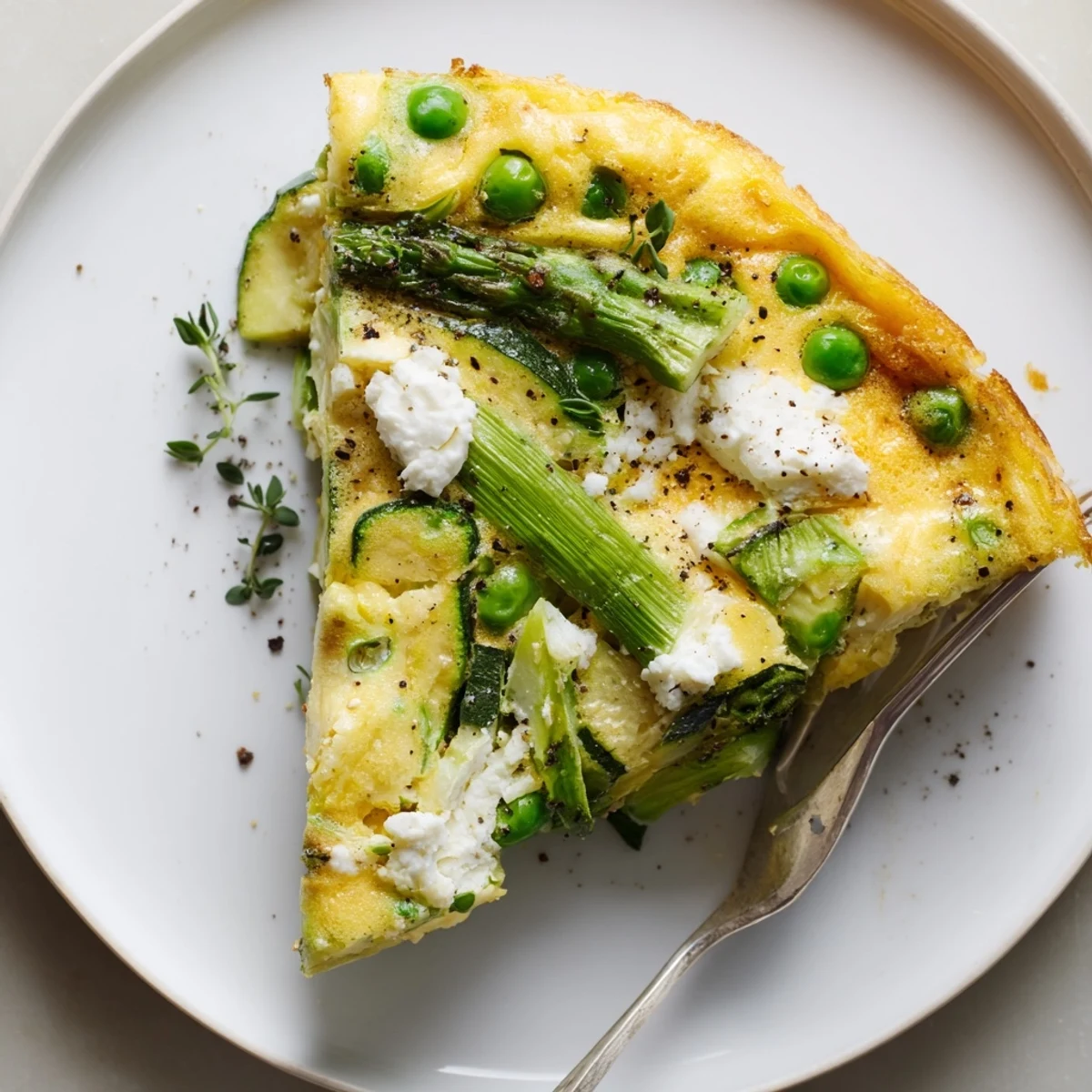
- Let it cool in the pan for at least five minutes before slicing into wedges. This frittata is equally wonderful warm or at room temperature, so do not feel rushed.
 Pin It
 Dave came back the following weekend with a bag of his own farmers market haul and asked if I could teach him how to make it himself, which might be the nicest compliment a recipe can receive.
Picking the Right Skillet
A ten to twelve inch ovenproof skillet is the sweet spot for this recipe, and if the handle is not oven safe you will need to wrap it tightly in aluminum foil. I learned this the hard way when a beautiful wooden handle started smoking and set off every alarm in the house.
Swaps and Substitutions
Feta works beautifully in place of goat cheese if you prefer something saltier and more crumbly, and ricotta creates an almost custardy texture that some people actually prefer. For a dairy free version, oat milk and a plant based cheese will get you close enough, though the creamy factor drops a notch.
Serving It Up Right
This frittata pairs perfectly with a simple arugula salad dressed in lemon and olive oil, or a chunk of crusty bread for mopping up any soft bits.
- Let leftovers cool completely before refrigerating, and they will keep beautifully for up to three days.
- A quick reheat in a low oven is better than the microwave, which toughens the eggs.
- Always taste for salt at the end since goat cheese saltiness varies wildly between brands.
 Pin It
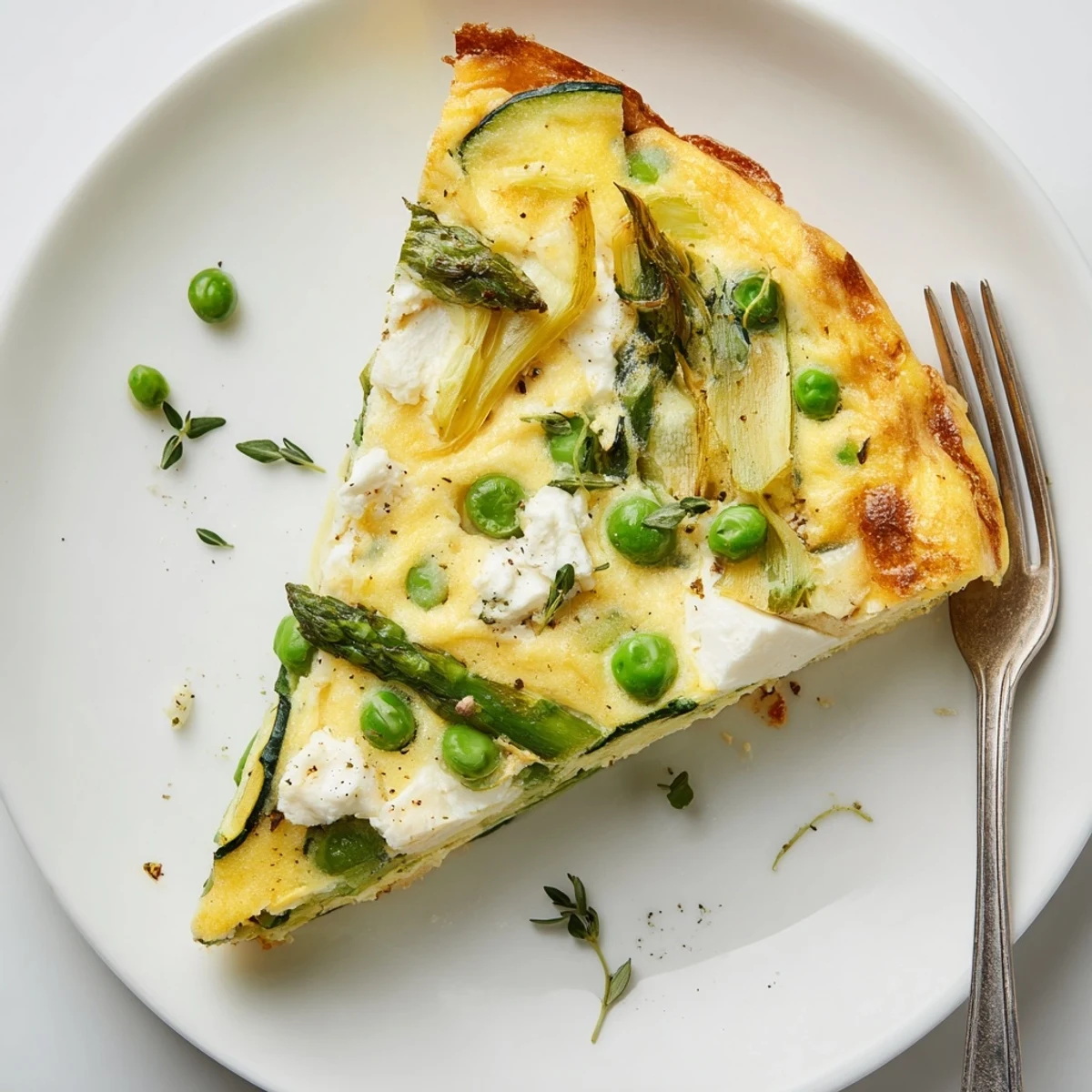
 Some dishes become part of your rotation because they are easy, and some earn their spot because they make people happy when they eat them. This one manages to do both without even trying.
Recipe FAQs
- → Can I make this ahead of time?
-
Yes. Bake, cool, then refrigerate in an airtight container for up to 2 days. Rewarm gently in a low oven or enjoy at room temperature to preserve the custardy texture.
- → What pan should I use?
-
Use a 10–12 inch ovenproof skillet (cast iron or oven-safe nonstick). It browns evenly and moves directly from stovetop to oven for the best edge set.
- → How do I prevent a rubbery frittata?
-
Don’t overbeat the eggs and avoid overcooking. Finish in a hot oven just until the center is set; carryover heat will firm it slightly without drying it out.
- → Can I substitute the goat cheese?
-
Yes. Feta provides a similar briny tang; ricotta yields a milder, creamier result. For dairy-free, use plant-based cheese and non-dairy milk.
- → How can I add more flavor?
-
Stir in fresh herbs like chives, parsley or dill before baking, or sprinkle extra thyme on top. A pinch of lemon zest brightens the dish.
- → Is this suitable for a gluten-free diet?
-
Yes. The frittata itself is naturally gluten-free—just pair it with gluten-free sides if needed and check labels on any substituted ingredients.