
 Pin It
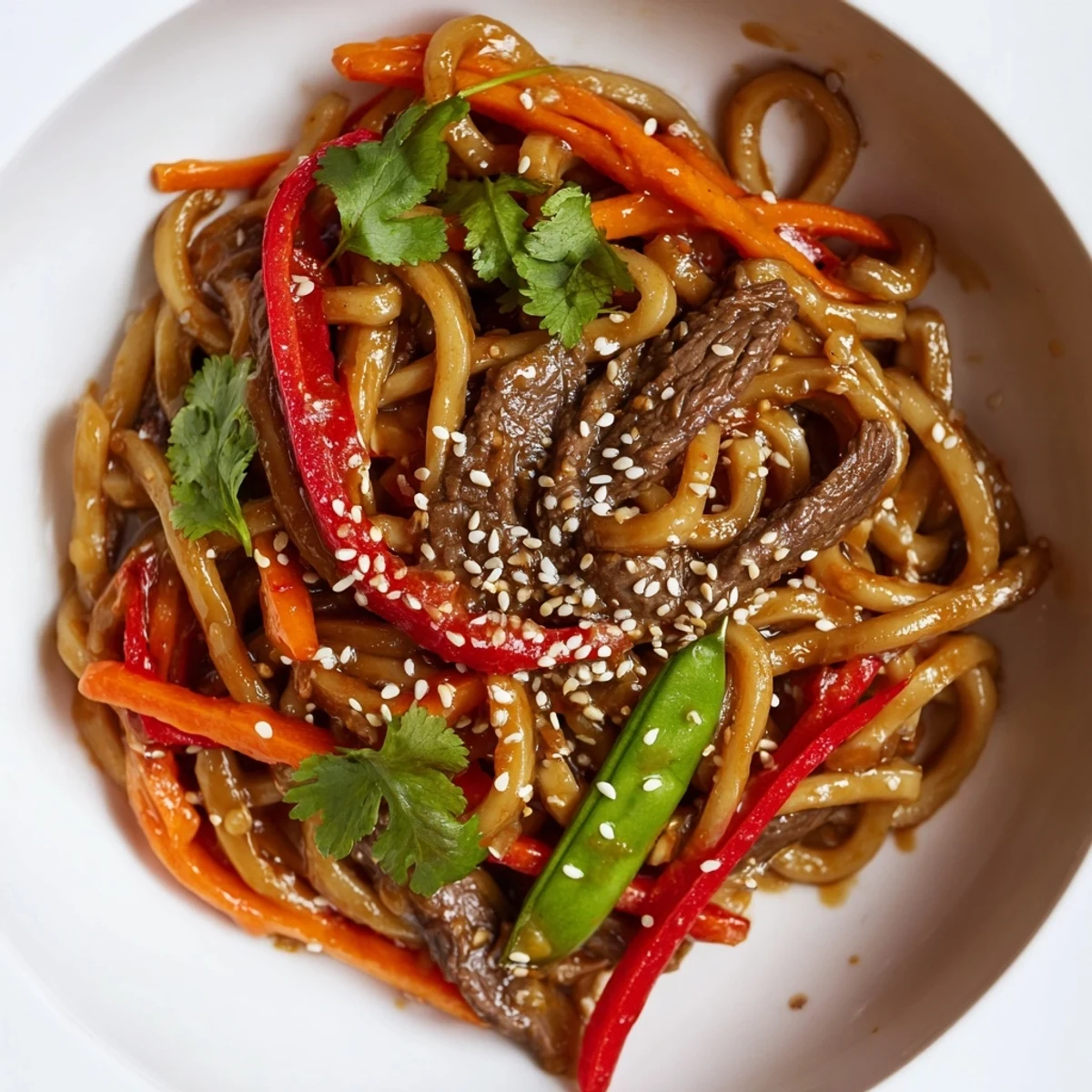
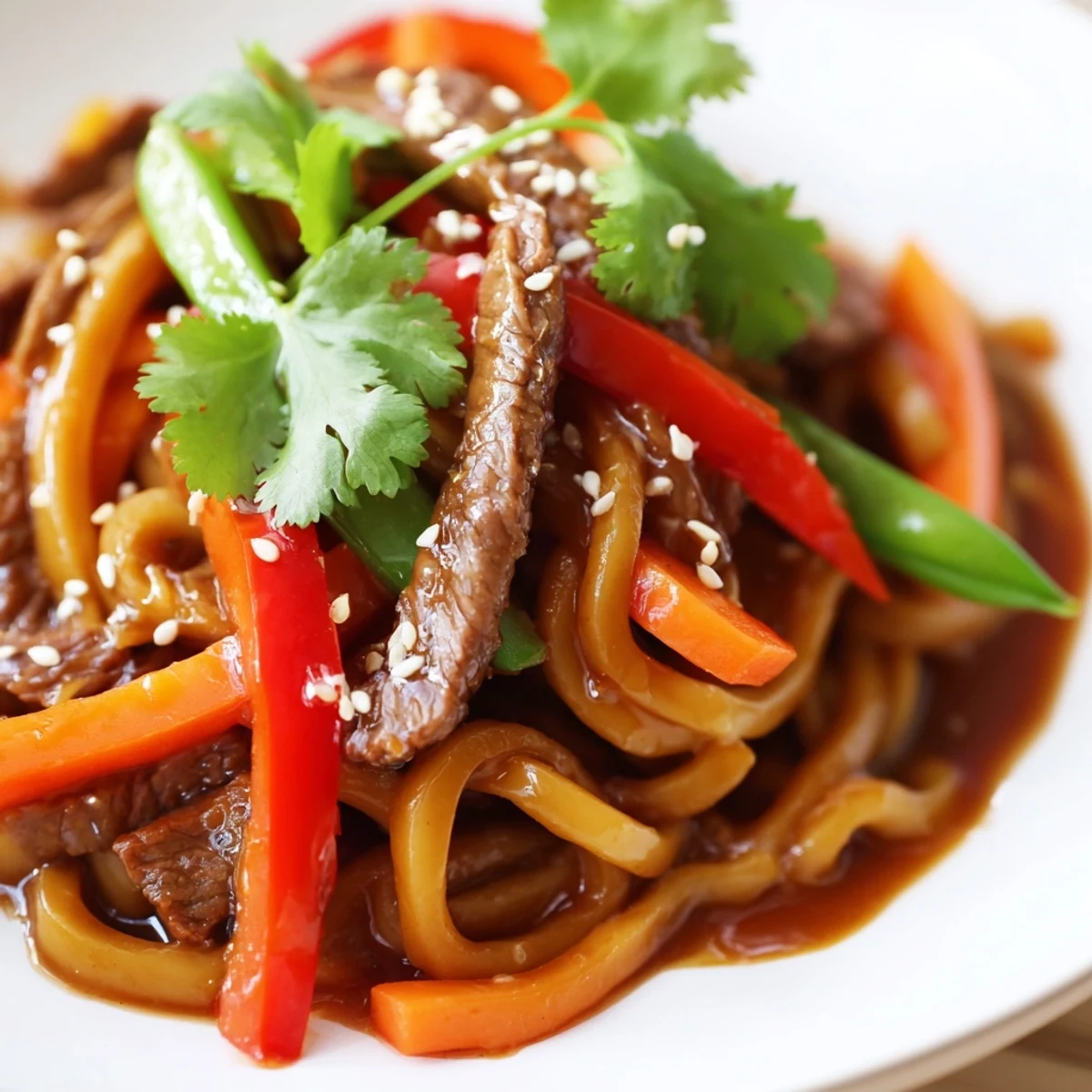
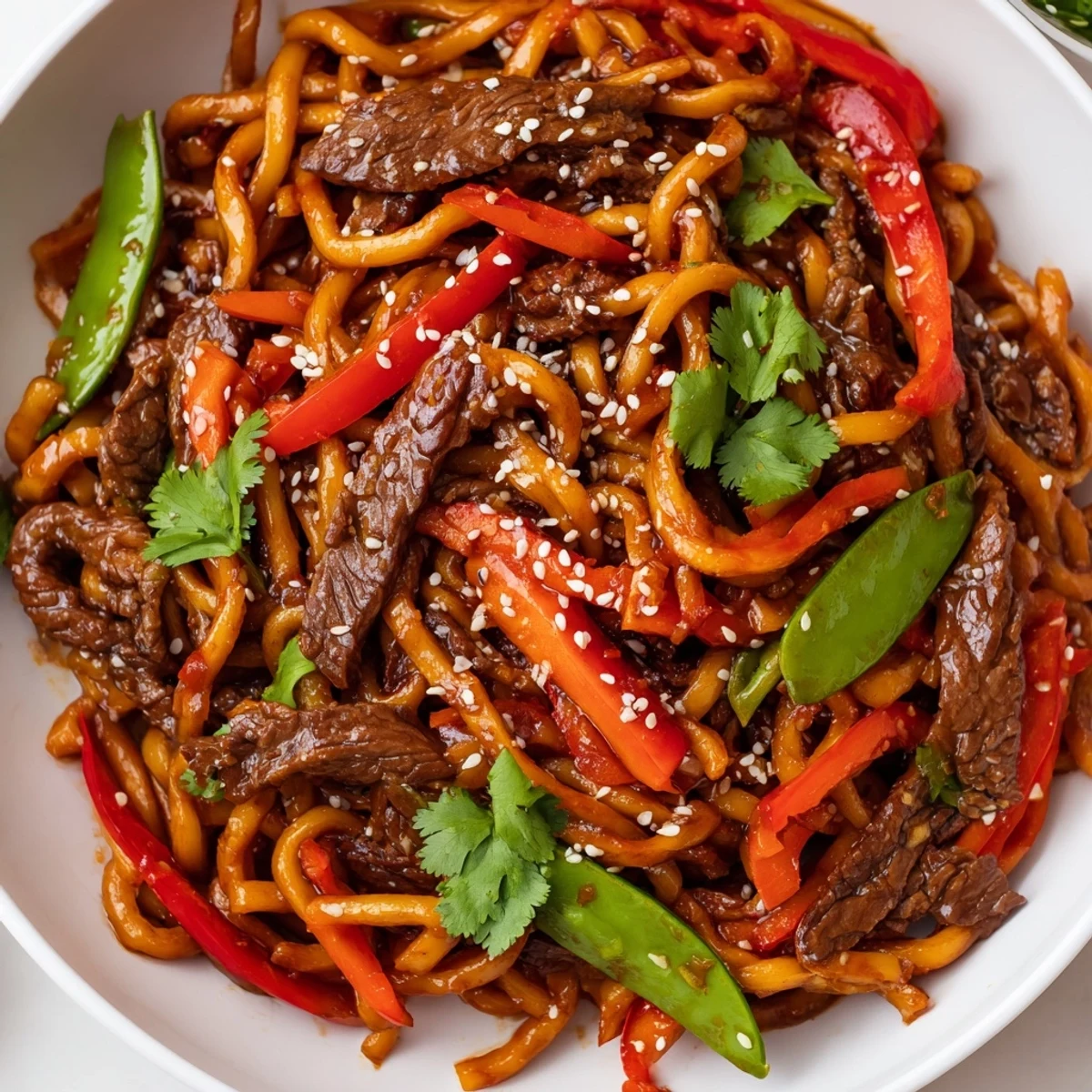
 This dish offers tender strips of marinated beef stir-fried with fresh vegetables and wheat noodles. The savory sauce blends soy, oyster, chili garlic, and sesame oils to create a bold and spicy flavor profile. Quick to prepare, it brings together vibrant textures and fragrant aromatics like garlic and ginger. Garnished with toasted sesame seeds and fresh cilantro, it delivers an exciting heat balanced by umami-rich ingredients, perfect for an easy Asian-inspired main course.
There's a moment every cook discovers when they realize heat isn't the enemy—it's the canvas. Mine came on a random Tuesday night when I had half a steak in the fridge and needed dinner fast, so I threw together what I had: noodles, vegetables, and a sauce I was testing. The kitchen filled with this incredible aroma of garlic and ginger hitting hot oil, and suddenly I understood why this dish is so addictive. Now it's the first thing I make when I want to impress someone or when I just need to feel like I'm cooking with purpose.
I made this for my roommate once during her rough week, and she literally closed her eyes after the first bite and said nothing for a solid minute. That's when you know a dish works—when people stop talking and just eat. We've been making it together ever since, and now it's become our thing to cook when we need to celebrate something or just sit and catch up over a bowl.
Ingredients
- Flank steak or sirloin, thinly sliced (350 g): The thinner you slice it, the faster it cooks and the more sauce it absorbs—a sharp knife and a confident hand make all the difference here.
- Fresh or dried wheat noodles (300 g): Udon has this wonderful chew, lo mein is more delicate—pick whichever speaks to you, but don't skip the ice bath after cooking.
- Red bell pepper, thinly sliced: The sweetness balances the heat, and thin slices mean it stays slightly crisp instead of turning soft and sad.
- Carrot, julienned: Cut them thin enough to cook through in a few minutes without losing their natural sweetness and crunch.
- Sugar snap peas (100 g): These are the hidden gem—they add brightness and a snap that makes every bite interesting.
- Spring onions, sliced: Use both the white and green parts but add the greens at the very end so they stay fresh and alive.
- Garlic and ginger (3 cloves garlic, 1 tbsp ginger): Mince them fine so they scatter through the dish instead of sitting in chunks, and toast them hard enough to smell the kitchen transformation.
- Soy sauce (4 tbsp total): It seasons everything and binds the flavors together—this is where umami lives.
- Oyster sauce (1 1/2 tbsp): A small amount adds depth without making the dish taste fishy; it's the secret handshake between Asian cuisines.
- Chili garlic sauce (1 tbsp): This is your heat dial—start here and adjust based on how brave you're feeling.
- Rice vinegar (1 tbsp): The acidity cuts through the richness and keeps everything from feeling heavy.
- Brown sugar and sesame oil (1 tsp each): Sugar balances heat, sesame oil adds a toasted, slightly nutty finish that lingers on your tongue.
- Sesame seeds and cilantro for garnish: These aren't afterthoughts—they add texture, freshness, and visual warmth to the bowl.
Instructions
- Season and rest your beef:
- Combine your sliced beef with soy sauce, cornstarch, and sesame oil in a bowl—the cornstarch helps the meat stay tender and gives it a silky coating. Let it sit for 10 minutes while you prep everything else; this little pause makes a real difference in how the meat behaves when it hits the heat.
- Cook the noodles with care:
- Follow the package timing but stop just before they're fully tender—they'll soften more once they hit the hot wok. The ice bath after draining stops them from sticking and keeps them from turning to mush.
- Build your sauce:
- Whisk together soy, oyster, chili garlic, rice vinegar, brown sugar, and sesame oil in a small bowl. Taste it before it goes in the wok—this is your moment to adjust the heat or sweetness to match your mood.
- Sear the beef in batches:
- A screaming hot wok or skillet is non-negotiable here; crowding the pan makes it steam instead of sear. Work in two batches if you need to, and pull the meat out while it's still slightly pink inside—it finishes cooking when everything comes back together.
- Toast your aromatics:
- Add minced garlic and ginger to the hot wok for just 30 seconds, maybe less—you want them fragrant and golden, not burnt and bitter. The smell alone will tell you when you've nailed it.
- Vegetables get their turn:
- Bell pepper, carrot, and snap peas go in next for 2 to 3 minutes of steady tossing. They should still have snap when you bite into them, with just a hint of tenderness at the edges.
- Bring it all home:
- Return the beef to the wok, add your cooked noodles and the sauce you made earlier, and toss constantly for about 2 minutes. The sauce should coat everything evenly and reduce slightly, clinging to the noodles like it was meant to be there all along.
- Finish with the fresh stuff:
- Slice spring onions and scatter them in just before serving so they stay bright and fresh, adding a sharp contrast to all the warmth and umami underneath.
 Pin It
 One evening I made this for someone I was trying to impress, and halfway through dinner they told me it reminded them of a dish from their childhood—something their grandmother used to make. That's the magic moment when food stops being about technique and becomes about connection. Now whenever I make spicy beef noodles, I think about how a recipe can travel across continents and time and still land exactly right.
The Heat Dial
Spice is personal, and there's no such thing as getting it wrong. If you love heat, pile on the chili garlic sauce and maybe add fresh sliced chilies too; the burn should feel warm and alive, not punishing. If you're gentle with spice, start with half the sauce amount and taste as you go—you can always add more, but you can't take it back.
Beef Substitutions and Variations
Beef is incredible here, but this dish is flexible enough to pivot with what you have. Chicken breast stays tender if you slice it thin and don't overcook it; tofu gives you something satisfying and plant-based if you press it well first; shrimp finishes cooking in under a minute once it hits the wok, making this an ultra-fast dinner.
Beyond the Bowl
This dish lives best in the moment it's finished—piping hot, steam rising, everything glistening with sauce. Serve it in warm bowls, maybe with extra sesame seeds on top and a cold drink on the side to balance the heat. The leftovers are fine cold or reheated gently in a wok, but there's something special about eating it the first time, right out of the pan.
- A crisp Riesling or cold iced green tea cuts through the richness and complements the heat perfectly.
- Cucumber slices or a simple radish salad on the side bring brightness and balance to a spicy, savory meal.
- Make extra sauce and keep it in the fridge—it's incredible on roasted vegetables or scrambled eggs the next morning.
 Pin It
 This is the kind of dish that proves you don't need hours or fancy ingredients to cook something that makes people feel cared for. It's fast, it's bold, and it fills the kitchen with warmth—everything good food should be.
Recipe FAQs
- → What cut of beef works best for this dish?
-
Flank steak or sirloin thinly sliced works well as it cooks quickly and remains tender when stir-fried.
- → Can different noodles be used?
-
Yes, udon, lo mein, or other wheat-based noodles can be used depending on preference and availability.
- → How can I adjust the spice level?
-
Modify the amount of chili garlic sauce to increase or reduce heat according to your taste.
- → What alternatives are there for beef?
-
Chicken, tofu, or shrimp are good substitutes to change up the protein without altering cooking time significantly.
- → Are there any tips to enhance flavor?
-
Marinating the beef briefly and stir-frying garlic and ginger first helps layer the savory and aromatic qualities of the dish.