
 Pin It
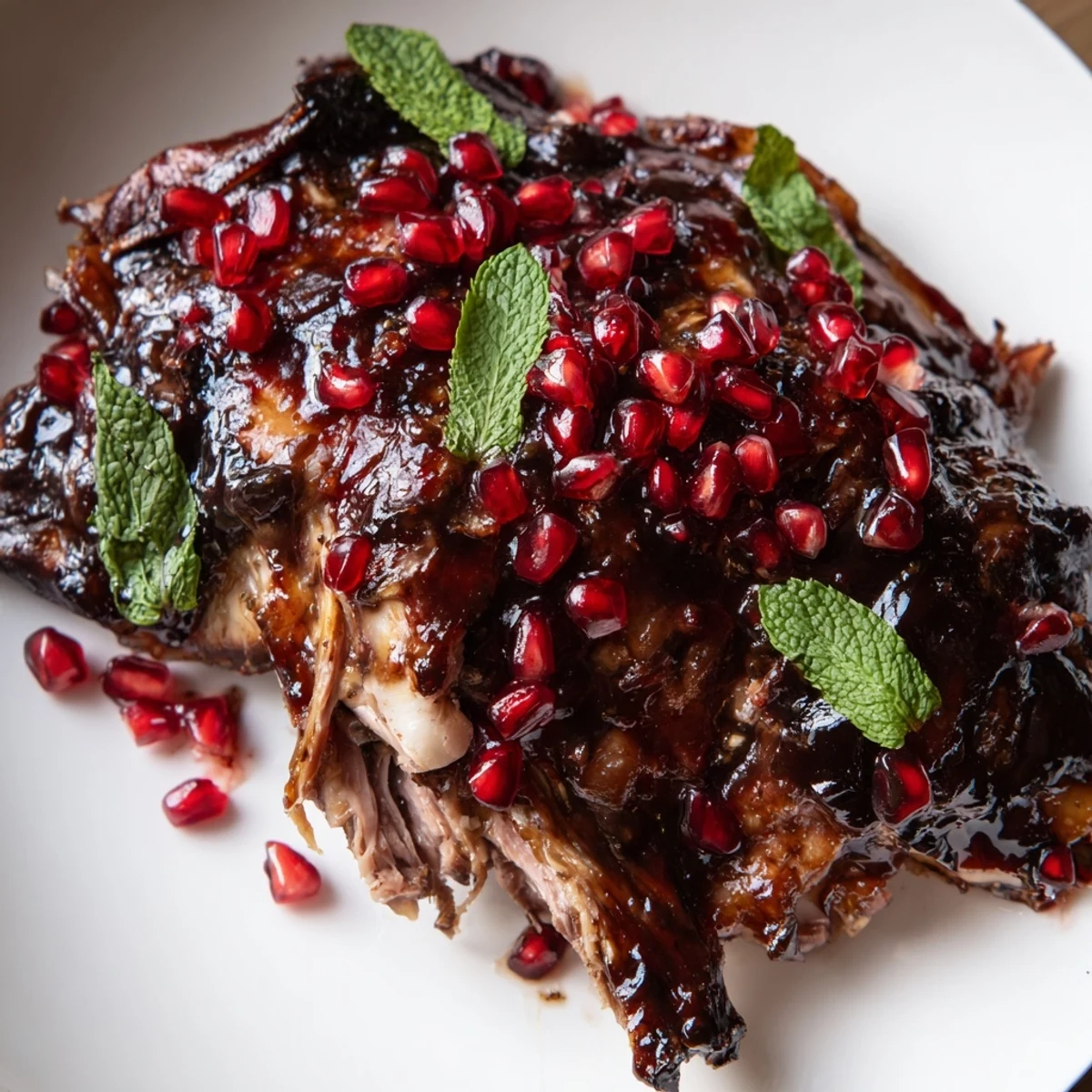
 This Middle Eastern slow-roasted lamb shoulder combines tender meat with warming spices like cumin, coriander, and cinnamon. The meat roasts for 3½ hours on a bed of vegetables, then receives a final caramelizing coat of pomegranate molasses glaze. After a brief rest, carve and serve with pomegranate seeds and fresh mint. This showstopping main course feeds six and works beautifully with flatbreads, rice, or roasted vegetables.
The aroma of this slow-roasted lamb shoulder fills my kitchen with memories of my first trip to Lebanon. I was invited to a family feast where the grandmother pulled a similar dish from her oven, the pomegranate molasses glistening on the tender meat. The scent of warm spices and caramelized sweetness created such harmony that I immediately asked for her secrets, which she shared with a knowing smile and a gentle pat on my hand.
Last Christmas, when my brother announced he was bringing his new girlfriend to dinner, I wanted something impressive yet foolproof. The lamb shoulder was roasting slowly while we exchanged gifts, and when I lifted the foil to apply the glaze, his girlfriend gasped at the transformation happening before her eyes. By the time we carved it at the table, the meat pulled apart with just the gentlest pressure of the fork, and conversation flowed as easily as the juices on our plates.
Ingredients
- Bone-in lamb shoulder: The bone adds incredible flavor and helps the meat stay moist during the long cooking process, plus the collagen breaks down to create that melt-in-your-mouth texture.
- Pomegranate molasses: This thick, deeply flavored syrup brings a perfect balance of sweetness and acidity that cuts through the richness of the lamb, transforming a simple roast into something extraordinary.
- Spice blend: The combination of cumin, coriander, cinnamon and smoked paprika creates layers of warmth without overwhelming the natural flavor of the lamb.
- Fresh herbs and aromatics: Rosemary, garlic and lemon zest work together to brighten the earthy qualities of the meat and keep the dish from feeling heavy.
Instructions
- Prepare your flavor foundation:
- Mix your spice blend in a small bowl until it becomes a fragrant tapestry of aromas. When you rub it into the lamb with olive oil, be generous and work it into all the nooks and crevices.
- Create your aromatic bed:
- Layer those thick onion slices, carrot chunks and halved garlic bulb in your roasting pan like youre building a flavor platform. The vegetables will caramelize slowly, infusing the cooking juices with incredible depth.
- Low and slow magic:
- Once the lamb is nestled on its vegetable throne and stock is added around (not over) the meat, seal everything tightly with foil. This creates a moist cooking environment where time transforms toughness into tenderness.
- The glorious glaze:
- When you mix that pomegranate molasses with honey and lemon juice, youll notice how it coats the back of a spoon perfectly. This consistency means it will cling beautifully to the lamb as it caramelizes during the final high-heat roasting.
- The big reveal:
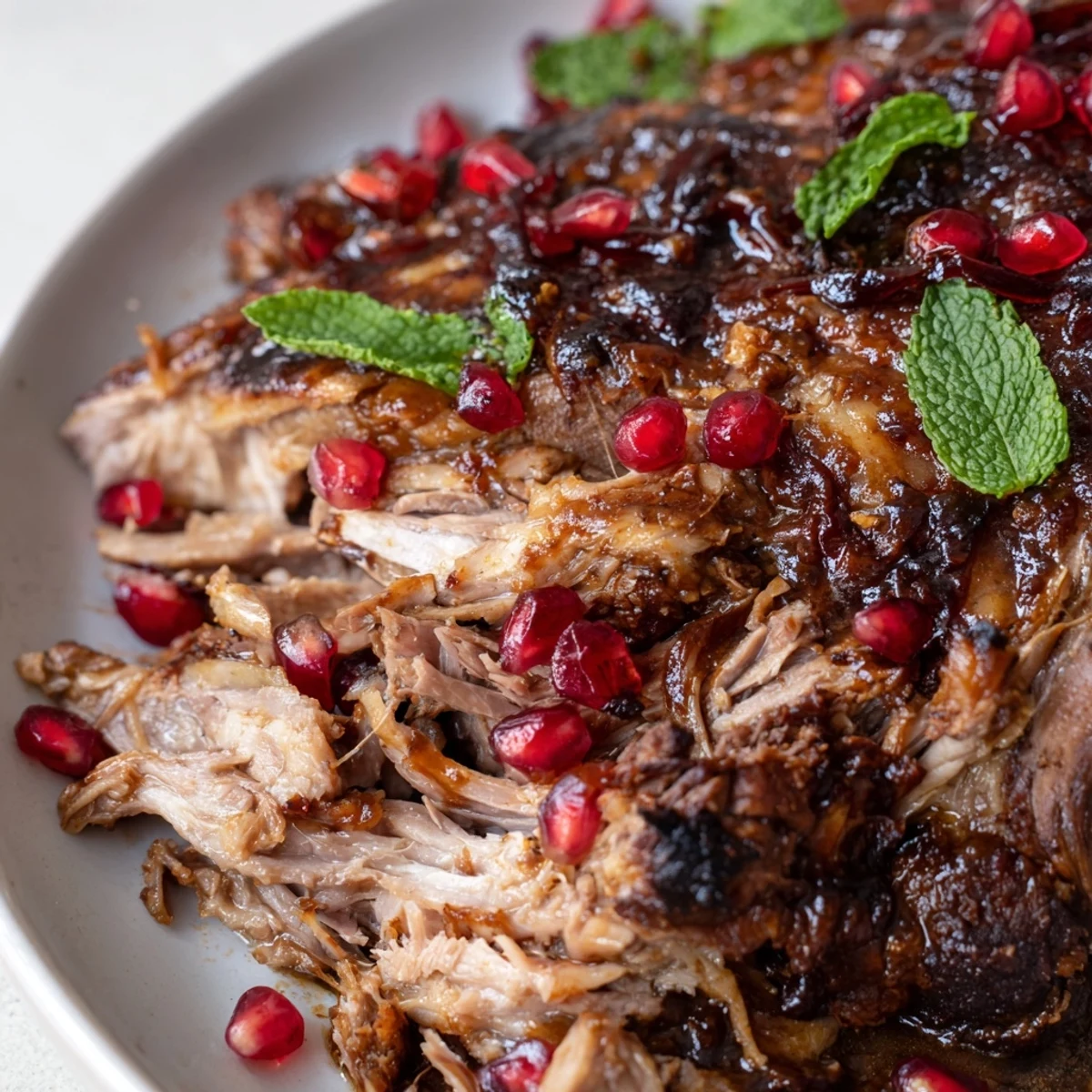
- After resting, carving becomes less about cutting and more about gently pulling the meat apart. Watch as it separates along natural lines, revealing pockets of juice and layers of flavor.
 Pin It
 My neighbor Sara, whos usually skeptical of unfamiliar flavors, stopped by as I was glazing the lamb last Easter. The glossy, bubbling coating caught her eye, and I offered her a taste from the edge. Her expression shifted from polite interest to genuine surprise as the sweet-tart pomegranate mixed with the rich lamb on her palate. Two days later, she texted a photo of her own version, saying her family had declared it their new holiday tradition.
Make-Ahead Options
The beauty of this dish reveals itself even more when you prepare it in advance. Applying the spice rub to the lamb the night before and letting it rest in the refrigerator creates a deeper flavor penetration that transforms the meat. Ive even fully cooked the lamb a day ahead, refrigerated it in its juices, then gently reheated it covered at 300°F until warm before applying a fresh glaze and doing the final high-heat roast.
Serving Suggestions
Theres something about this lamb that begs for bright, contrasting sides to balance its richness. Ive found that a bowl of cooling yogurt mixed with cucumber and mint, alongside a sharp and vibrant tabbouleh salad, creates the perfect counterpoint. For a more substantial meal, warm flatbreads for soaking up those precious juices or a bed of buttery couscous studded with dried fruits and toasted almonds turns this into a feast worthy of any celebration.
Troubleshooting Tips
The first time I served this to my in-laws, I worried when the lamb wasnt falling apart after the initial cooking time. I later learned that every cut of meat is slightly different, and cooking times can vary based on the exact weight and shape of your shoulder. Trust the process and be patient, adding more time if needed.
- If your lamb isnt as tender as youd like after the initial cooking time, simply cover it back up and return it to the oven for 30-minute increments until it reaches that perfect pull-apart stage.
- Should your glaze start to burn rather than caramelize, lower your oven temperature and loosely tent the darkening areas with small pieces of foil while allowing the rest to continue browning.
- For a thicker sauce to serve alongside, strain the pan juices, skim off excess fat, and simmer them down with an extra tablespoon of pomegranate molasses until slightly reduced.
 Pin It
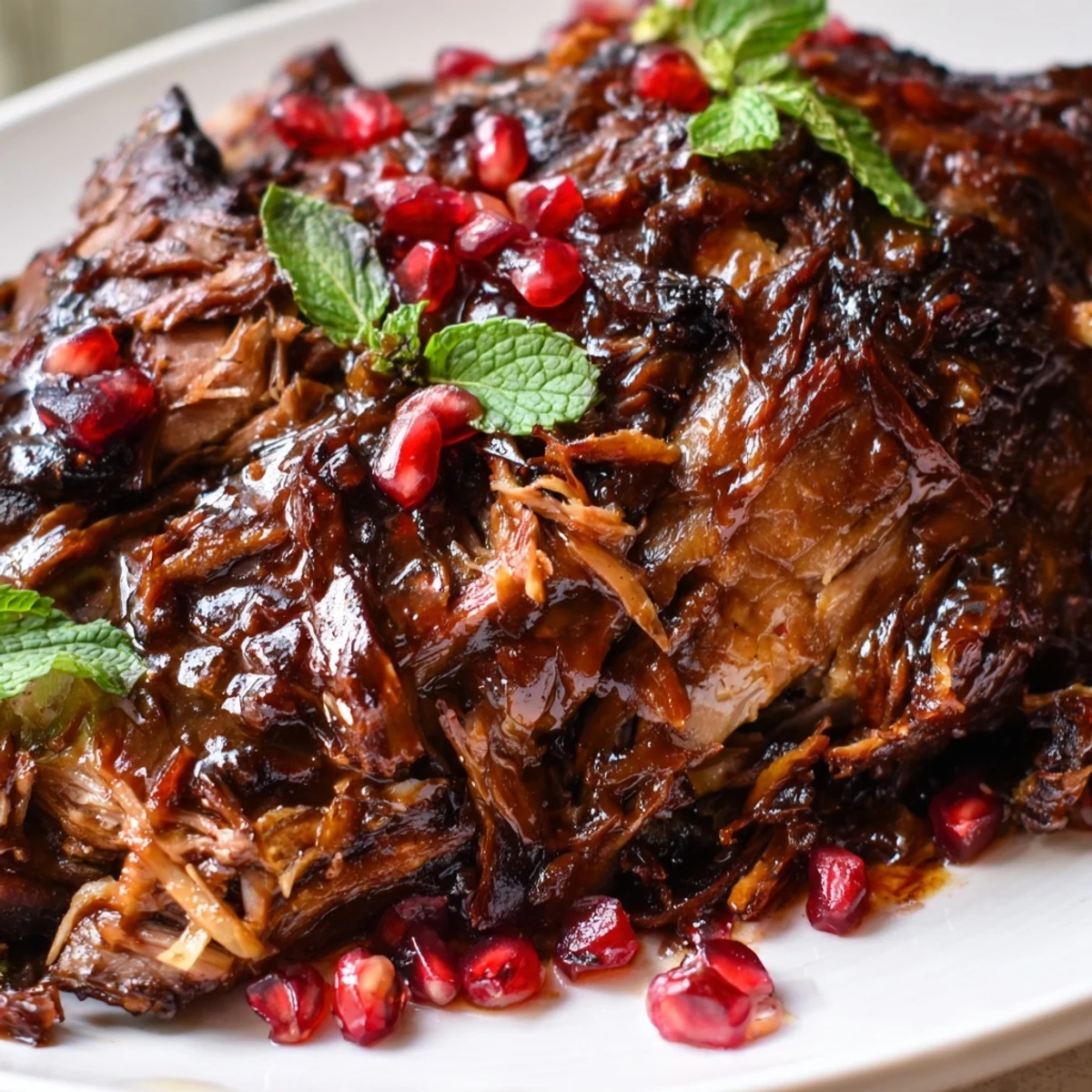
 This slow-roasted lamb shoulder isnt just a meal, its a celebration of patience rewarded. Each time the fragrance fills my home, I'm reminded that sometimes the most memorable things come to those willing to wait.
Recipe FAQs
- → Can I prepare this ahead of time?
-
Yes, apply the spice rub the night before and refrigerate. This deepens the flavors considerably. Bring to room temperature before roasting.
- → What if I can't find pomegranate molasses?
-
Mix equal parts balsamic glaze and lemon juice as a substitute. The tangy-sweet profile remains similar, delivering comparable depth and acidity to the glaze.
- → How do I know when the lamb is done?
-
The meat should be tender enough to pull apart easily with a fork. A meat thermometer inserted into the thickest part should read 70-75°C (160°F) for medium.
- → Why is resting important before carving?
-
Resting allows juices to redistribute throughout the meat, ensuring each slice stays moist and tender rather than dry. Fifteen to twenty minutes is ideal for lamb this size.
- → What wines pair well with this dish?
-
Bold, fruit-forward reds like Shiraz or Grenache complement the rich spiced meat and pomegranate molasses glaze beautifully. The wine's tannins cut through the richness effectively.
- → Can I use boneless lamb shoulder instead?
-
Yes, boneless lamb works, but bone-in adds extra flavor and structure. Reduce cooking time by 20-30 minutes and check doneness with a thermometer.