
 Pin It
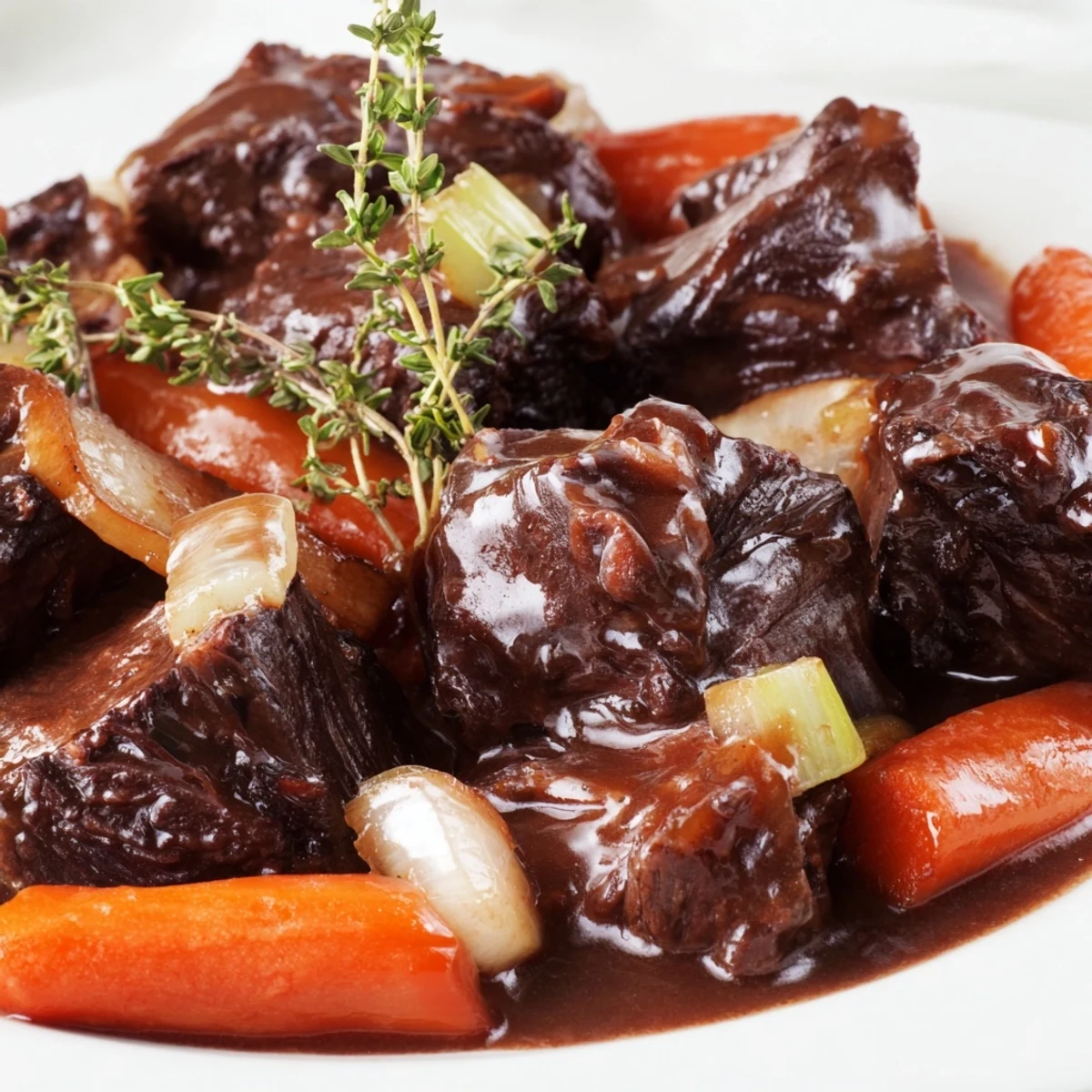
 This dish features beef shin slowly cooked alongside sweet carrots and fragrant thyme, creating tender, melt-in-your-mouth meat infused with deep, earthy flavors. Aromatics like garlic, onions, and celery enhance the hearty sauce, enriched with red wine and beef stock. Slow cooking ensures a rich texture and intense taste ideal for a warming family meal. Serve with creamy polenta or crusty bread for a satisfying experience.
There's something about the smell of beef shin braising that stops me mid-afternoon—it's the kind of aroma that fills a kitchen and makes you forget what day it is. I learned to make this dish during a particularly rainy January when a friend showed up unexpectedly with half a bottle of red wine and a determination to turn an inexpensive cut of meat into something unforgettable. Three and a half hours later, we had something that tasted like comfort itself, and I've been making it ever since.
I made this for my sister's first dinner in her new apartment, and she stood at her stove watching the meat brown, practically mesmerized by the sound of the sizzle and the way the kitchen filled with warmth. When we pulled it from the oven and she tasted it, she looked at me like I'd handed her a secret. Now it's the first thing she cooks when she wants to feel grounded.
Ingredients
- Beef shin (1.2 kg, cut into large chunks): This humble cut transforms completely under slow heat—the connective tissue becomes gelatinous and silky, and the meat dissolves rather than toughens.
- Olive oil (2 tbsp): Just enough to get a proper brown crust on the beef, which is where all the flavor starts.
- Carrots (3 large, cut thick): Thick slices hold their shape and develop a natural sweetness as they soften, balancing the deep savory notes.
- Onions (2 medium, chopped) and celery (2 stalks, chopped): The foundation of flavor—they'll practically melt into the sauce and become invisible, but you'll taste them in every spoonful.
- Garlic (3 cloves, minced): Add it raw to the pan before deglazing so it mellows and integrates completely.
- Beef stock (400 ml) and dry red wine (200 ml): The wine does the heavy lifting here—it adds complexity and a subtle tang that keeps the dish from feeling one-note.
- Fresh thyme (6 sprigs) or dried thyme (2 tsp), bay leaves (2), salt and pepper: Thyme is essential; it's herbaceous and slightly peppery, cutting through the richness beautifully.
Instructions
- Get your oven ready:
- Preheat to 150°C (300°F)—this low, steady heat is the whole point. It coaxes the beef into tenderness without any rush or force.
- Brown the beef properly:
- Heat the olive oil until it's shimmering, then work in batches so the meat isn't crowded. This takes patience, but the caramelized crust is non-negotiable. Don't skip it.
- Build the base:
- In the same pan (all those browned bits are yours), sauté the onions, carrots, celery, and garlic for about 5 minutes until they're starting to soften and smell absolutely wonderful. Season the beef while you're waiting.
- Deglaze and combine:
- Return the beef to the pan, pour in the red wine, and let it bubble for 2 minutes—you'll hear it hiss and smell the alcohol burn off. This is how the pan gives up all its secrets.
- Bring it together:
- Add the beef stock, thyme sprigs, and bay leaves. Bring to a gentle simmer on the stovetop, then cover and transfer to the oven.
- Let time do the work:
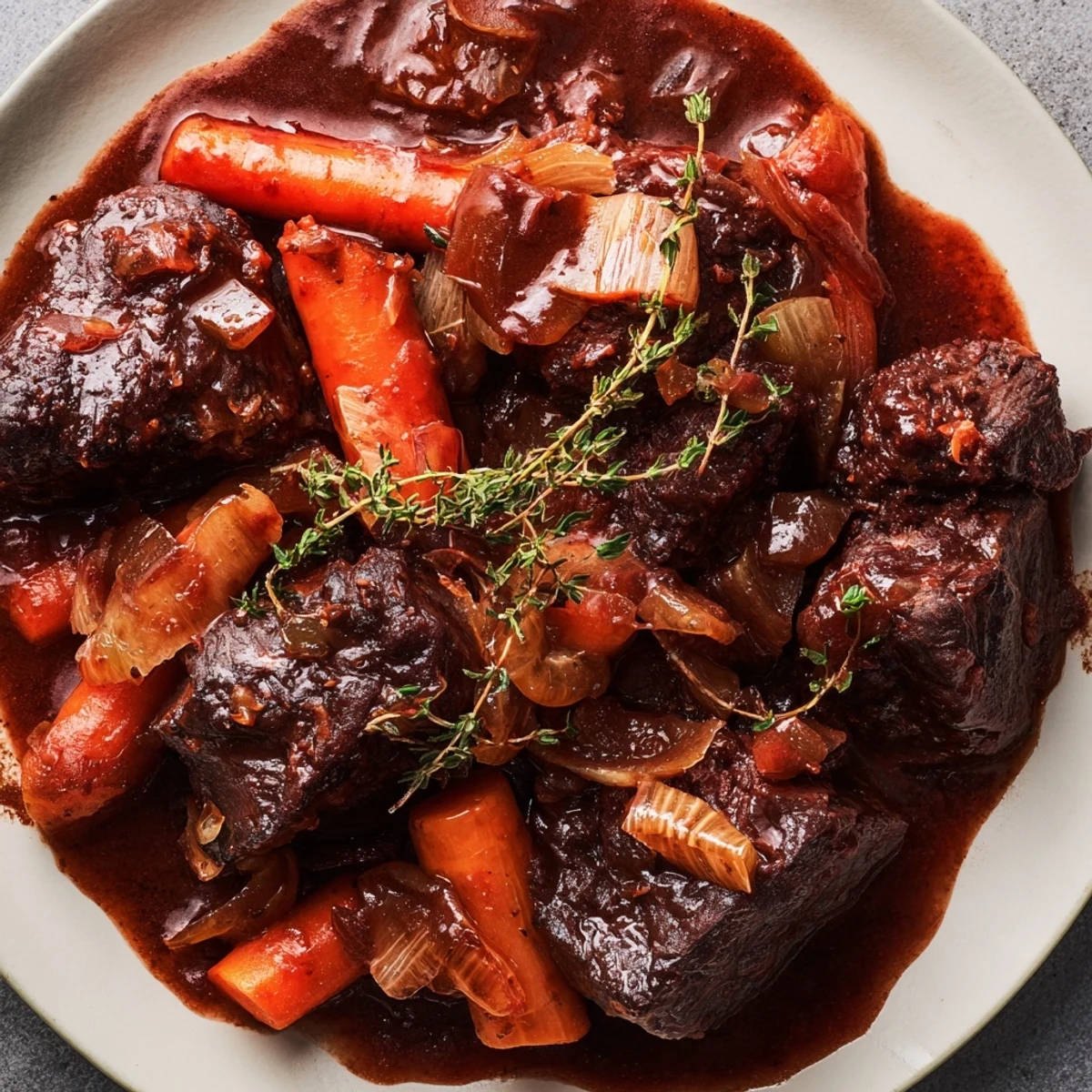
- Cook for 3 to 3½ hours (or 7–8 hours on low in a slow cooker if you prefer). The beef should be fork-tender and the sauce rich and glossy. Check it at the 2-hour mark just to listen to the quiet simmer happening inside.
- Finish and serve:
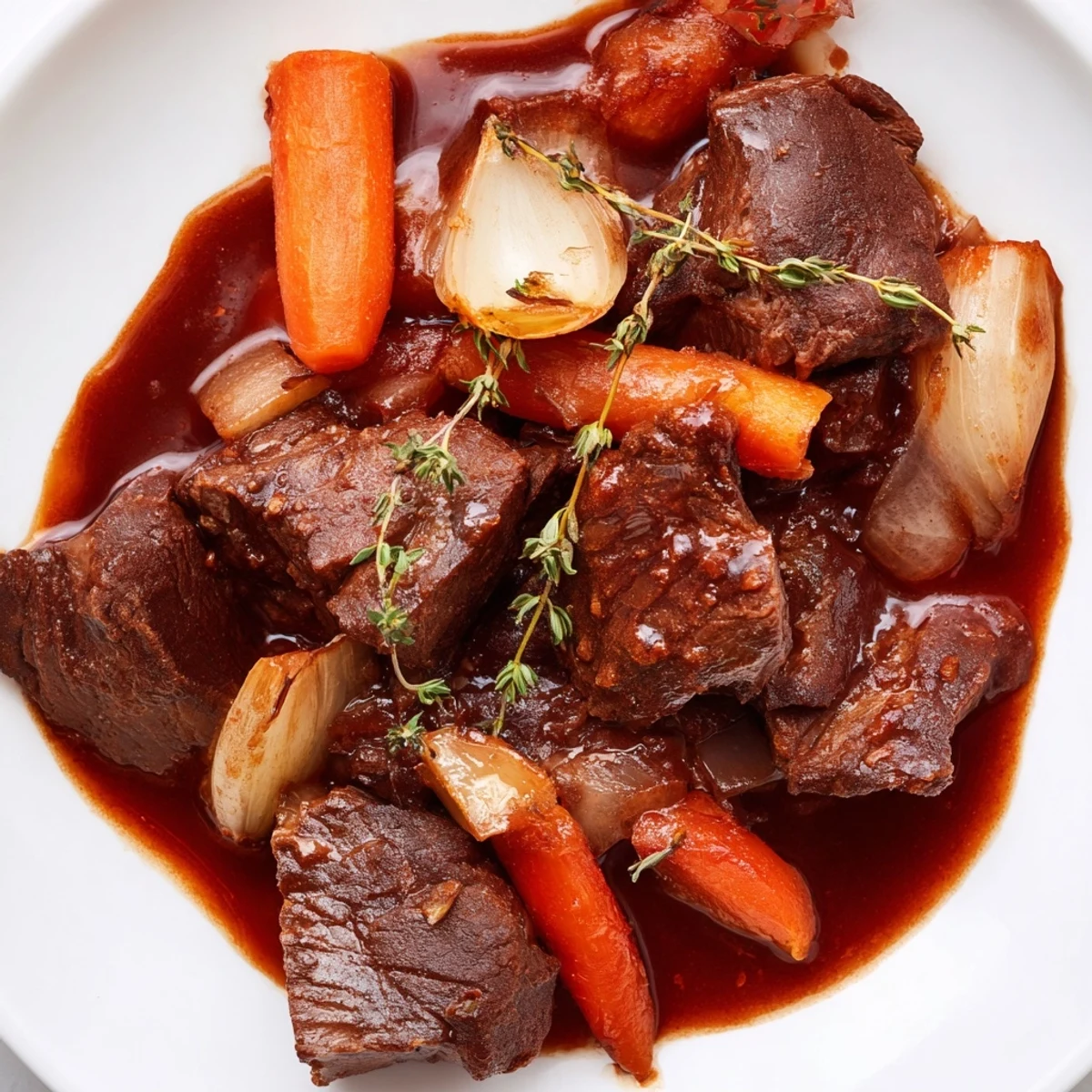
- Fish out the thyme sprigs and bay leaves, taste for seasoning, and adjust salt and pepper. Serve it hot, over mashed potatoes or crusty bread to catch every drop of that magnificent sauce.
 Pin It
 The real magic happened when my partner came home from work and just stood in the kitchen doorway, eyes closed, breathing in. They didn't say anything—they just sat down and ate three bowls. That's when I understood this dish was more than dinner; it was proof that good things take time.
Why Slow Cooking Changes Everything
Low, prolonged heat doesn't just cook beef shin—it transforms it. The collagen in this cut breaks down into gelatin, making the sauce silky and the meat almost spoon-tender. Fast cooking would leave it tough and chewy, but slow cooking is patient and generous. It's the difference between forcing something and letting it become what it was always meant to be.
Wine Pairing and Serving Moments
Pour a glass of something red and robust—Malbec or Syrah if you can—and sip it while you wait. The same tannins and fruit notes that go into the pot should be in your glass. Serve this over creamy polenta on cold nights, or with crusty bread and mashed potatoes when you want something familiar and grounding. It's equally good the next day, reheated gently, sometimes even better.
Variations and Secrets
This recipe is forgiving enough to play with. Swap some carrots for parsnips or turnips if you want earthier sweetness, or add a handful of mushrooms for umami depth. The core technique remains the same: brown, sauté, deglaze, simmer low and slow until magic happens. Some nights I add a splash of tomato paste for deeper color, or a pinch of mustard powder for subtle sharpness—small changes that let you make it your own.
- If you have a slow cooker, this is its moment to shine—set it on low for 7–8 hours and forget about it.
- Make a double batch and freeze half, so future you has comfort waiting in the freezer.
- Leftover sauce is liquid gold—use it to cook eggs, pour it over rice, or spoon it over roasted vegetables.
 Pin It
 This is the kind of meal that reminds you why you cook—not for efficiency or perfection, but for the quiet joy of making something warm and real for the people you care about. Make it once, and you'll find yourself making it again and again.
Recipe FAQs
- → How long should beef shin be cooked for optimal tenderness?
-
Beef shin should be cooked slowly for 3 to 3½ hours at low heat, allowing the collagen to break down and produce a tender, flavorful dish.
- → Can I use fresh thyme instead of dried thyme?
-
Yes, fresh thyme sprigs add a bright, herbal aroma but use about three times more fresh thyme to match the intensity of dried.
- → What side dishes complement this beef and carrot preparation?
-
Mashed potatoes, creamy polenta, or crusty bread are excellent choices to soak up the rich sauce.
- → Is it possible to thicken the sauce?
-
For a thicker sauce, remove the lid in the last 30 minutes of cooking to reduce liquids or stir in a cornstarch slurry gradually.
- → Can red wine be substituted or omitted?
-
Red wine adds depth to the sauce, but you can replace it with extra beef stock or a splash of balsamic vinegar for similar richness.