
 Pin It
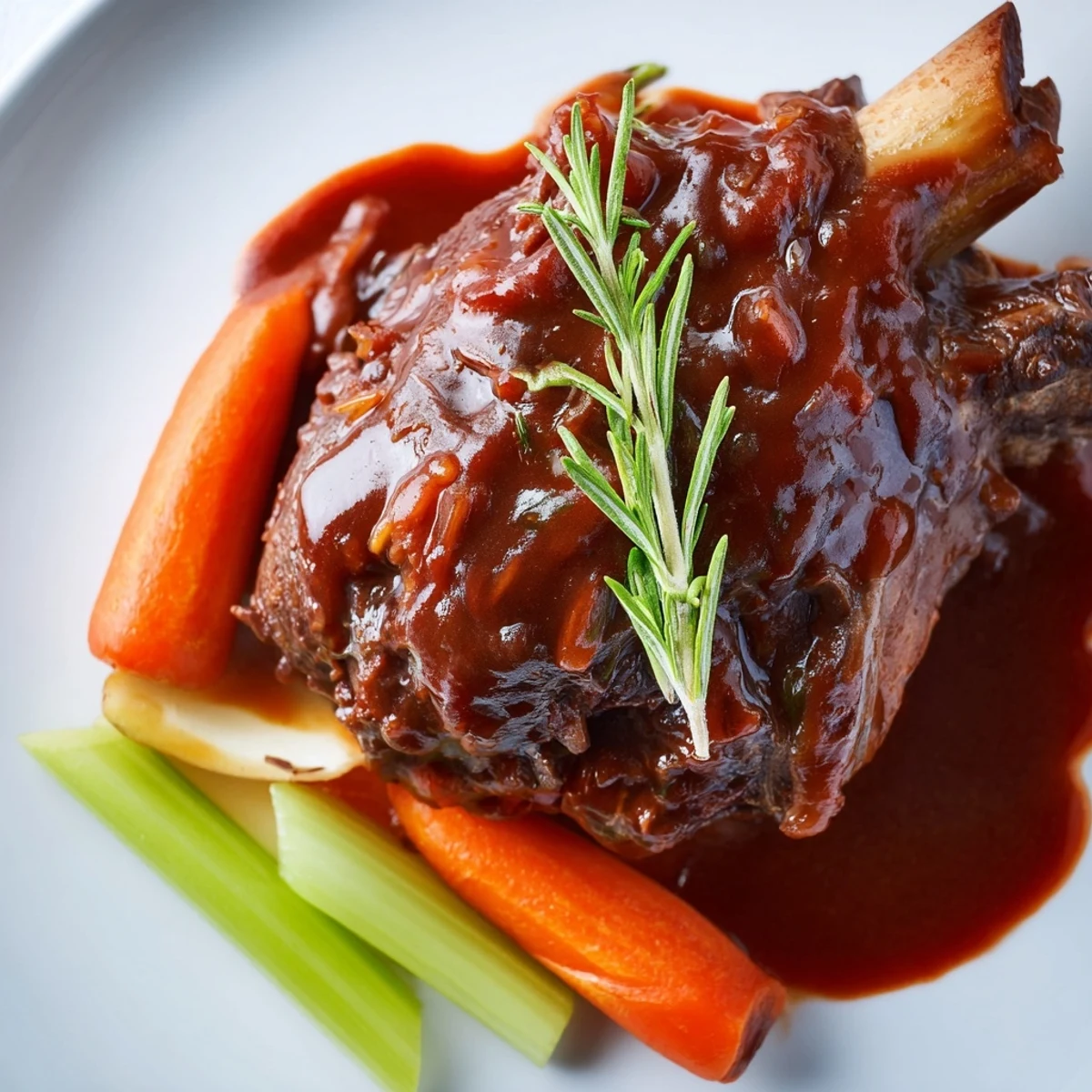
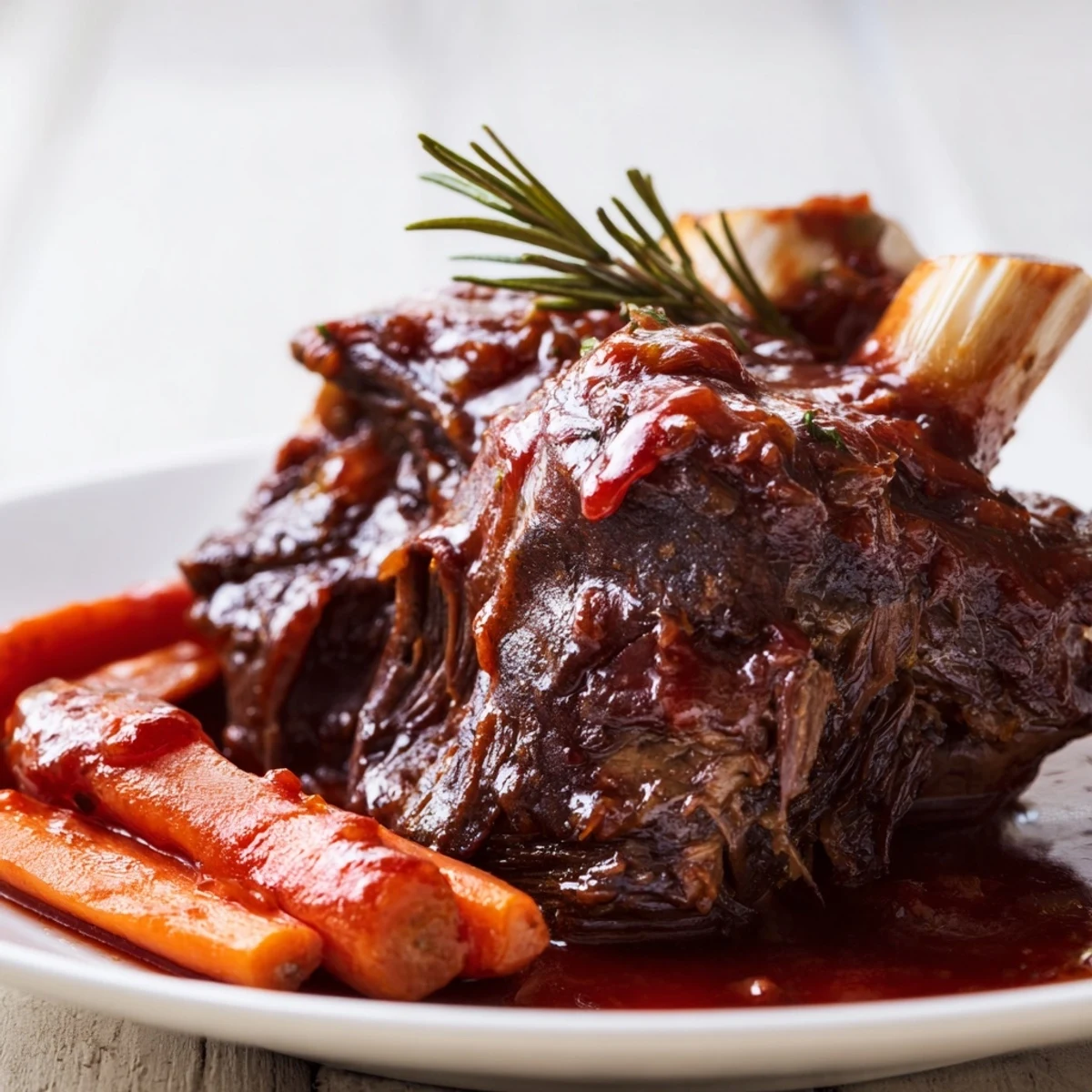
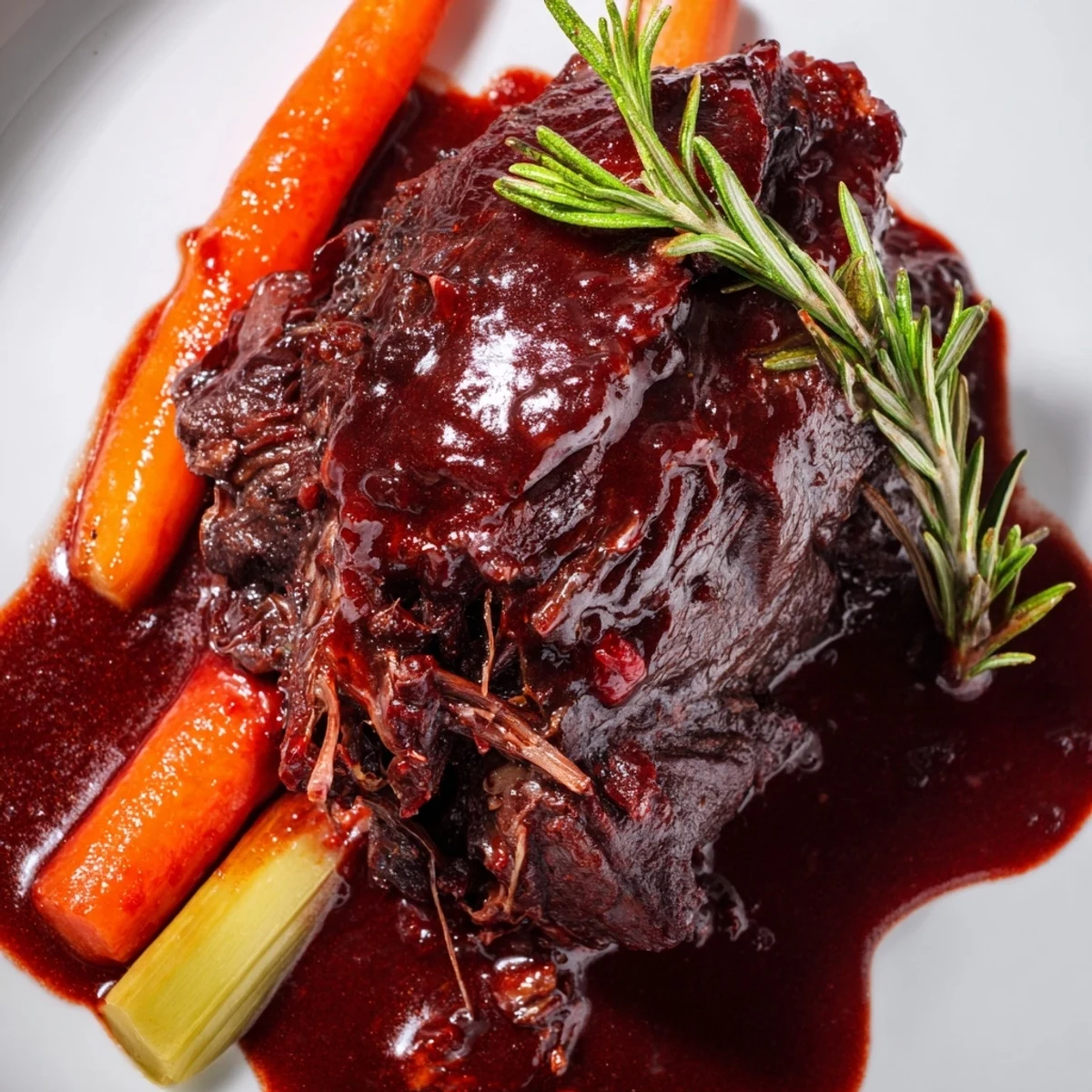
 Slow cooking beef shank with rosemary, thyme, and fresh vegetables creates a deeply flavorful and tender dish. The slow braising process breaks down the meat's fibers, resulting in a melt-in-your-mouth texture. Aromatics like garlic, carrots, celery, and onion enrich the broth, while red wine and tomato paste add depth and complexity. After hours in the oven, the meat becomes fork-tender, perfect to serve with mashed potatoes or crusty bread for a cozy, satisfying meal.
There's something almost meditative about the sound of beef shanks hitting hot oil in a Dutch oven—that sharp sizzle that promises hours of slow transformation. I discovered this dish on a gray November afternoon when I had nothing but time, a good bottle of red wine, and four meaty shanks staring at me from the butcher's paper. The house filled with the smell of caramelizing meat and rosemary, and I realized that some of the best meals aren't rushed—they're built on patience and the kind of kitchen magic that happens when you let the oven do the work.
I made this for my sister's first dinner at her new place, and she stood in her kitchen just breathing in the aroma before we'd even sat down. Watching her face light up as she tasted that first forkful of meat with the wine-soaked vegetables—that's when I knew this wasn't just a recipe, it was a moment. The simplicity of it made it feel even more generous, like I'd given her time itself in edible form.
Ingredients
- Beef shanks (4, about 300g each, bone-in): The bone is where the magic happens—it releases collagen and gelatin that thicken the sauce naturally and add incredible depth.
- Salt and freshly ground black pepper: Don't skimp here; season generously before searing so the meat develops a proper crust that locks in flavor.
- Carrots (2 large, peeled and sliced): They break down slightly during braising and sweeten the sauce—peek at them halfway through to see how they soften.
- Celery (2 stalks, sliced): A quiet flavor builder that balances the richness and adds a subtle earthiness.
- Onion (1 large, chopped): Gets almost jammy and golden after sweating in the pot, acting as the backbone of your braising liquid.
- Garlic (4 cloves, minced): Add it after the softer vegetables so it doesn't burn and turn bitter—you want that subtle pungency, not harshness.
- Fresh rosemary (2 sprigs): The piney, resinous notes define this dish; dried works if necessary, but fresh is worth seeking out.
- Fresh thyme (2 sprigs): More delicate than rosemary, it adds a subtle herbal whisper that ties everything together.
- Bay leaves (2): These are your silent contributors—remove them before serving so no one bites into one by accident.
- Beef stock (400 ml): Quality matters here since it becomes the foundation of your sauce; use homemade if you have it.
- Dry red wine (250 ml): Something you'd drink—not the cheapest bottle, but nothing fancy needed; it adds acidity and depth.
- Tomato paste (2 tbsp): Creates umami richness and helps the sauce cling to the meat; cook it briefly in the pot so it caramelizes slightly.
- Olive oil (2 tbsp): For searing and sautéing; use extra-virgin for flavor, but regular will work fine.
Instructions
- Heat your oven and dry the meat:
- Set the oven to 160°C (320°F) so it's ready when you need it. Pat the beef shanks completely dry with paper towels—this is the secret to a proper brown crust. Moisture is the enemy of browning, so don't rush this step.
- Season and sear with confidence:
- Generously salt and pepper all sides of each shank. In your Dutch oven, heat the olive oil until it shimmers, then carefully add the meat—you should hear that gorgeous sizzle immediately. Don't move them around; let each side sit for 3–4 minutes until it's deeply caramelized and releases easily.
- Build your flavor base:
- Remove the shanks to a plate and add the onion, carrots, and celery to the same pot. The browned bits stuck to the bottom are liquid gold; the vegetables will help scrape them up as they sauté. After 5 minutes, add the minced garlic and let it become fragrant for about 1 minute.
- Wake up the tomato and wine:
- Stir in the tomato paste and let it cook for just 1 minute until it deepens in color. Pour in the red wine, scraping the bottom of the pot with a wooden spoon—this deglazing releases all those caramelized flavors. Let it bubble for 2 minutes so some of the alcohol cooks off.
- Return the shanks and build the braise:
- Place the beef shanks back into the pot, nestling them among the vegetables. Pour in the beef stock and tuck the rosemary sprigs, thyme sprigs, and bay leaves around the meat. The liquid should come about halfway up the shanks; if it doesn't, add a little water.
- Cover and let the oven work:
- Bring the pot to a simmer on the stovetop, then cover with the lid and transfer to the oven. This low, slow heat allows the connective tissue in the shanks to slowly convert to gelatin, making the meat incredibly tender. Braise for 3 hours, turning the shanks over halfway through so they cook evenly.
- Finish and taste:
- After 3 hours, the meat should be fork-tender and nearly falling from the bone. Remove the rosemary, thyme, and bay leaves with tongs or a slotted spoon. Skim any excess fat from the surface if you prefer a lighter sauce, then taste and adjust salt and pepper.
- Serve with soul:
- Place a shank in each bowl with vegetables gathered around it, then spoon that gorgeous braising liquid over the top. Serve alongside mashed potatoes, polenta, or crusty bread to soak up every drop.
 Pin It
 The first time I made this, I nearly threw away the braising liquid because it looked thin and unimpressive, but my grandmother stopped me and said to taste it first. It was pure essence of comfort, and I learned that sometimes the best sauces don't look thick—they taste deep. That moment taught me to trust the process and my palate before judging by appearance alone.
Making the Sauce Even Richer
If you want your sauce thicker and more concentrated, simply remove the cooked shanks to a warm plate and set the braising pot on the stovetop over medium-high heat. Let the liquid bubble away for 10–15 minutes, stirring occasionally, until it reduces by about a third and coats the back of a spoon. This concentrates all the flavors and creates a more restaurant-quality finish that clings beautifully to the meat.
What to Serve Alongside
Creamy mashed potatoes are the obvious partner here, their pillowy softness a perfect foil for the rich meat and sauce. But don't sleep on polenta—either soft and buttery or cooled and sliced crisp—it has a subtle corn sweetness that balances the savory depth perfectly. A crusty loaf of bread is non-negotiable for soaking up every drop of that gorgeous liquid at the bottom of the bowl.
Wine Pairing and Storage
Serve this with the same red wine you used in the braise, or something of similar weight and character—a Burgundy, Côtes du Rhône, or even a good Pinot Noir all work beautifully. This dish actually improves slightly when made a day or two ahead; the flavors deepen as they sit, and reheating is as simple as covering the Dutch oven and warming it gently in a 160°C oven for about 45 minutes until heated through.
- Store any leftovers in an airtight container in the refrigerator for up to 4 days, or freeze for up to 3 months.
- The fat will solidify on top when chilled, which you can either skim away or leave for extra richness when reheating.
- This is one of those rare dishes that tastes even better as leftovers, so never apologize for having seconds the next day.
 Pin It
 Slow-cooked beef shank is one of those dishes that teaches you patience tastes better than rushing. Every time you make it, you're not just cooking dinner—you're creating a reason for people to gather and linger at the table.
Recipe FAQs
- → How long should beef shank be braised?
-
Braising beef shank for about 3 hours at low heat allows the meat to become tender and flavorful.
- → What herbs enhance beef shank flavor?
-
Fresh rosemary and thyme add aromatic depth and complement the rich meat well.
- → Can I use red wine for braising?
-
Yes, dry red wine enhances the sauce's richness and balances the savory notes of the dish.
- → How to achieve a thicker sauce?
-
Remove the beef after cooking and simmer the liquid on the stove for 10-15 minutes to reduce and thicken.
- → What side dishes pair well with beef shank?
-
Mashed potatoes, polenta, or crusty bread complement the hearty and saucy beef shank beautifully.
- → Is this dish gluten-free?
-
Yes, all ingredients used are naturally gluten-free, making it suitable for gluten-sensitive diets.