
 Pin It
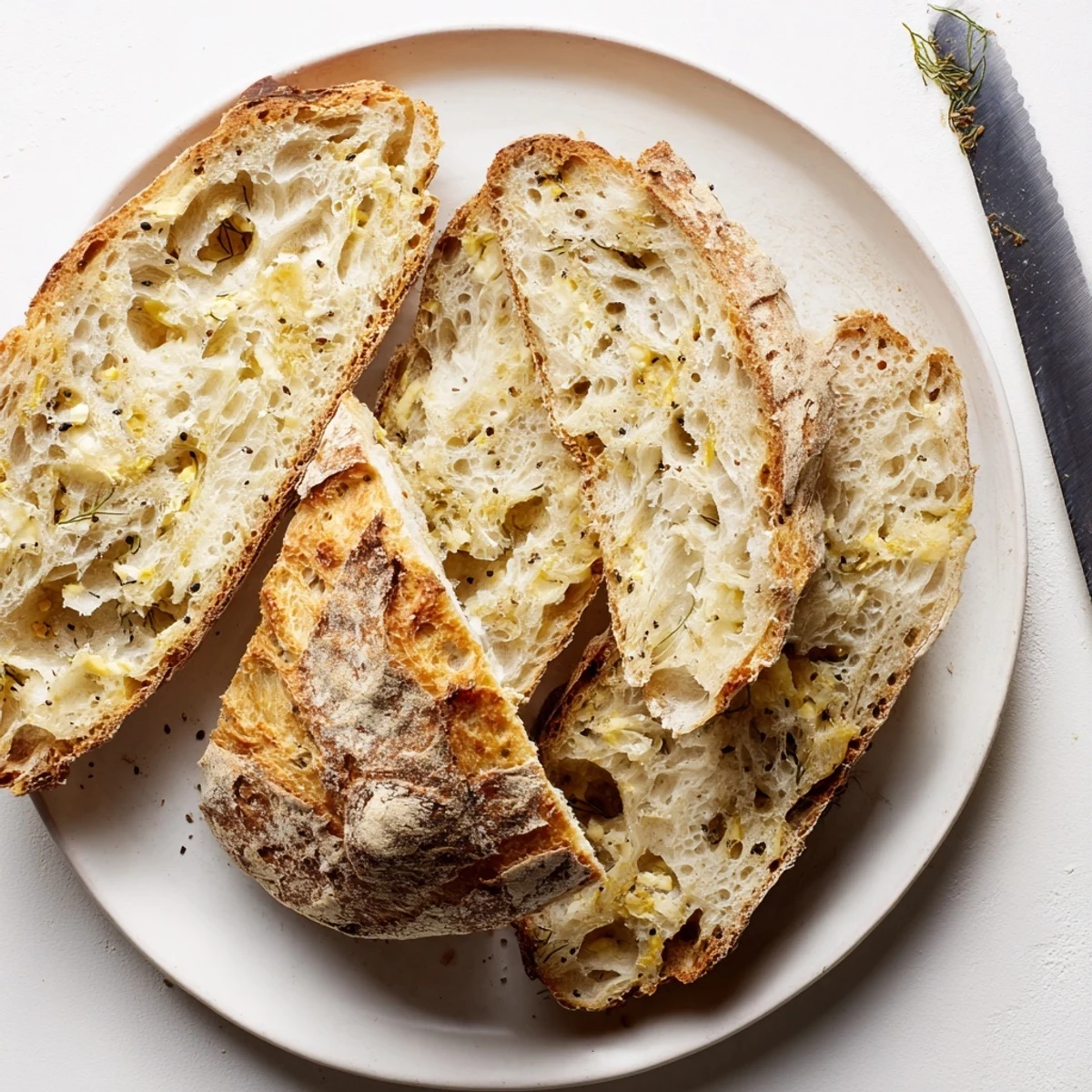
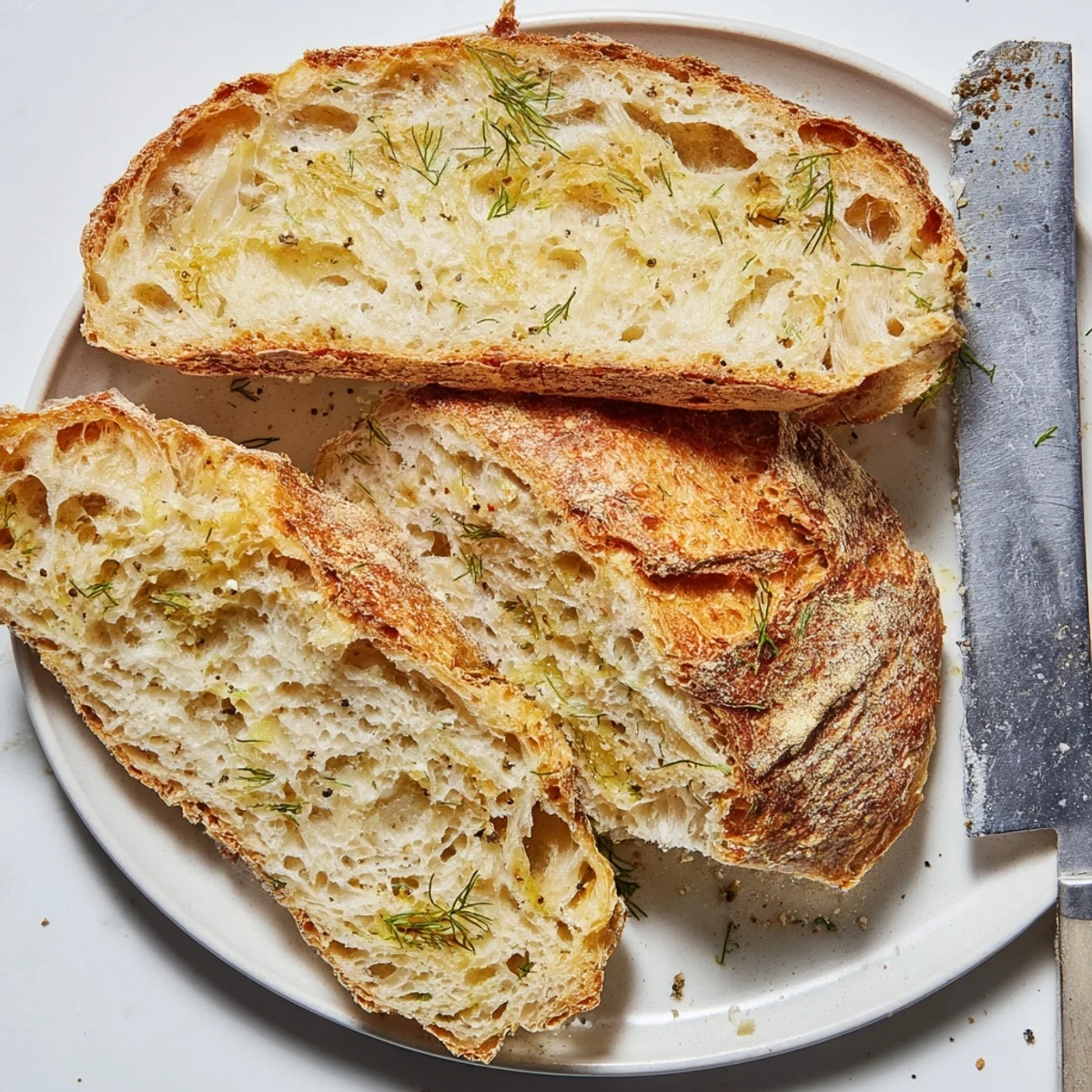
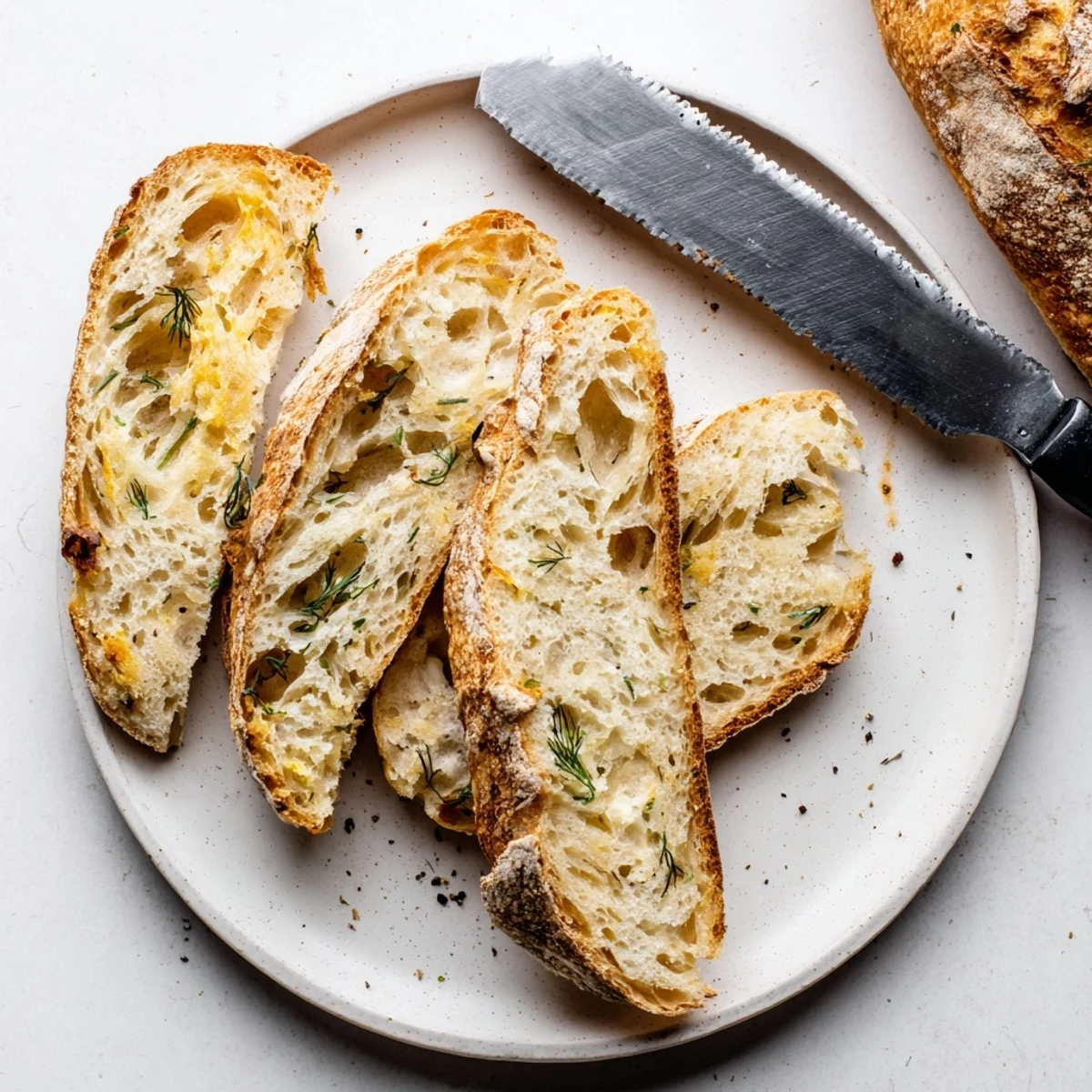
 Bake a stunning European-style loaf without the kneading work. This artisan bread combines savory fresh dill with rich, melted Gouda throughout. The dough develops overnight, creating deep flavors while you sleep. Bake in a hot Dutch oven for that professional bakery crust - golden, crackling, and gorgeous. Inside awaits pillowy softness with pockets of melted cheese and aromatic herb bursts. Perfect alongside hearty soups, for gourmet sandwiches, or simply warm with salted butter.
The aroma of dill and melting Gouda drifting through my apartment made my neighbor knock on my door thinking I was running a bakery. This bread has that effect on people, transforming a simple evening into something that feels like a special occasion worth sharing.
I brought this loaf to a friends dinner party last winter, and before we even sat down to eat, everyone was hovering around the bread basket. The hostess actually texted me the next morning asking for the recipe because her husband kept talking about it.
Ingredients
- 3 1/4 cups (400 g) bread flour: Higher protein content gives the bread structure while keeping that tender interior we love
- 1 1/2 tsp salt: Enhances all the flavors without making the bread taste salty
- 3/4 tsp instant yeast: Does all the work while you sleep, no proofing needed
- 1 cup (120 g) Gouda cheese: Creamy and slightly sweet, it melts into pockets throughout the crumb
- 3 tbsp fresh dill: Fresh dill makes all the difference here, bright and grassy against the rich cheese
- 1/2 tsp cracked black pepper: Just enough warmth to make the flavors pop without any heat
- 1 1/2 cups (360 ml) lukewarm water: Creates that open, airy crumb structure artisan breads are known for
Instructions
- Mix the dough:
- Combine the flour, salt, and yeast in a large bowl, then stir in the grated Gouda, fresh dill, and pepper until evenly distributed throughout the flour mixture.
- Add water and combine:
- Pour in the lukewarm water and mix with a spatula until you have a shaggy, sticky dough that looks a bit messy, which is exactly what you want.
- Let it rest overnight:
- Cover the bowl tightly and leave it on your counter for 12 to 18 hours, until the surface is dotted with bubbles and the dough has dramatically expanded.
- Shape the loaf:
- Turn the dough onto a heavily floured surface and gently fold the edges toward the center to create a round, then place it seam side down on parchment paper.
- Preheat your Dutch oven:
- While the dough rests for 30 to 60 minutes, put your Dutch oven and its lid in a cold oven and heat to 450°F.
- Bake with the steam method:
- Carefully transfer the dough with its parchment into the screaming hot Dutch oven, score the top with a knife, cover, and bake for 30 minutes before removing the lid for 15 to 20 minutes more.
- Cool completely:
- Let the bread rest on a wire rack for at least an hour so the crumb sets properly, otherwise you will end up with a gummy texture.
 Pin It
 My sister texted me at midnight the first time she made this, saying she was eating slice after slice standing in her kitchen because she could not wait until morning to share it with anyone. That is the kind of bread this is, impossible to save for later.
Getting the Perfect Rise
Room temperature matters more than you might expect. If your kitchen runs cold, find a warm spot like near the oven or on top of the refrigerator for that initial rise, and you will notice a significant difference in how the bread develops.
Cheese Selection Tips
While Gouda is wonderful, aged cheddar brings a sharper bite that cuts through the dill beautifully. I have also used smoked Gouda for a version that pairs incredibly well with tomato soup, and Emmental creates those gorgeous cheese pockets throughout the crumb.
Serving Suggestions
This bread makes the most incredible grilled cheese you will ever taste, simply add more Gouda and maybe some thinly sliced apple. It also transforms into the base for savory bread pudding when cubed and baked with eggs, milk, and herbs.
- Try toasting slices and topping with soft scrambled eggs
- The bread freezes beautifully for up to a month, wrapped tightly
- Leftover slices make perfect croutons for soup when cubed and oven toasted
 Pin It
 There is something almost magical about pulling this loaf out of the oven, the kitchen filled with the scent of herbs and cheese, knowing you created something this beautiful with almost no effort at all.
Recipe FAQs
- → What makes this bread 'no knead'?
-
The long fermentation period (12–18 hours) allows gluten strands to develop naturally through time rather than physical kneading. This creates the same structure and texture with minimal effort.
- → Can I use dried dill instead of fresh?
-
Yes, use 1 tablespoon of dried dill in place of the 3 tablespoons fresh. The flavor will be slightly more subtle, but still delicious throughout the loaf.
- → Why bake in a Dutch oven?
-
A preheated Dutch oven creates a steamy, enclosed environment that mimics professional bread ovens. This traps moisture, allowing the crust to develop properly and the bread to rise fully before setting.
- → How do I know when the bread is done baking?
-
Look for a deep golden-brown crust that sounds hollow when tapped on the bottom. The internal temperature should reach 200°F (93°C). If unsure, bake an extra 5 minutes uncovered.
- → Can I substitute other cheeses for Gouda?
-
Absolutely. Cheddar, Emmental, Gruyère, or aged provolone work beautifully. Choose a cheese that melts well and has enough flavor to stand up to the dill.
- → Why must the bread cool before slicing?
-
Slicing while hot releases steam too quickly, making the interior gummy and dense. Cooling for at least an hour allows the crumb structure to set, giving you that light, airy texture.