
 Pin It
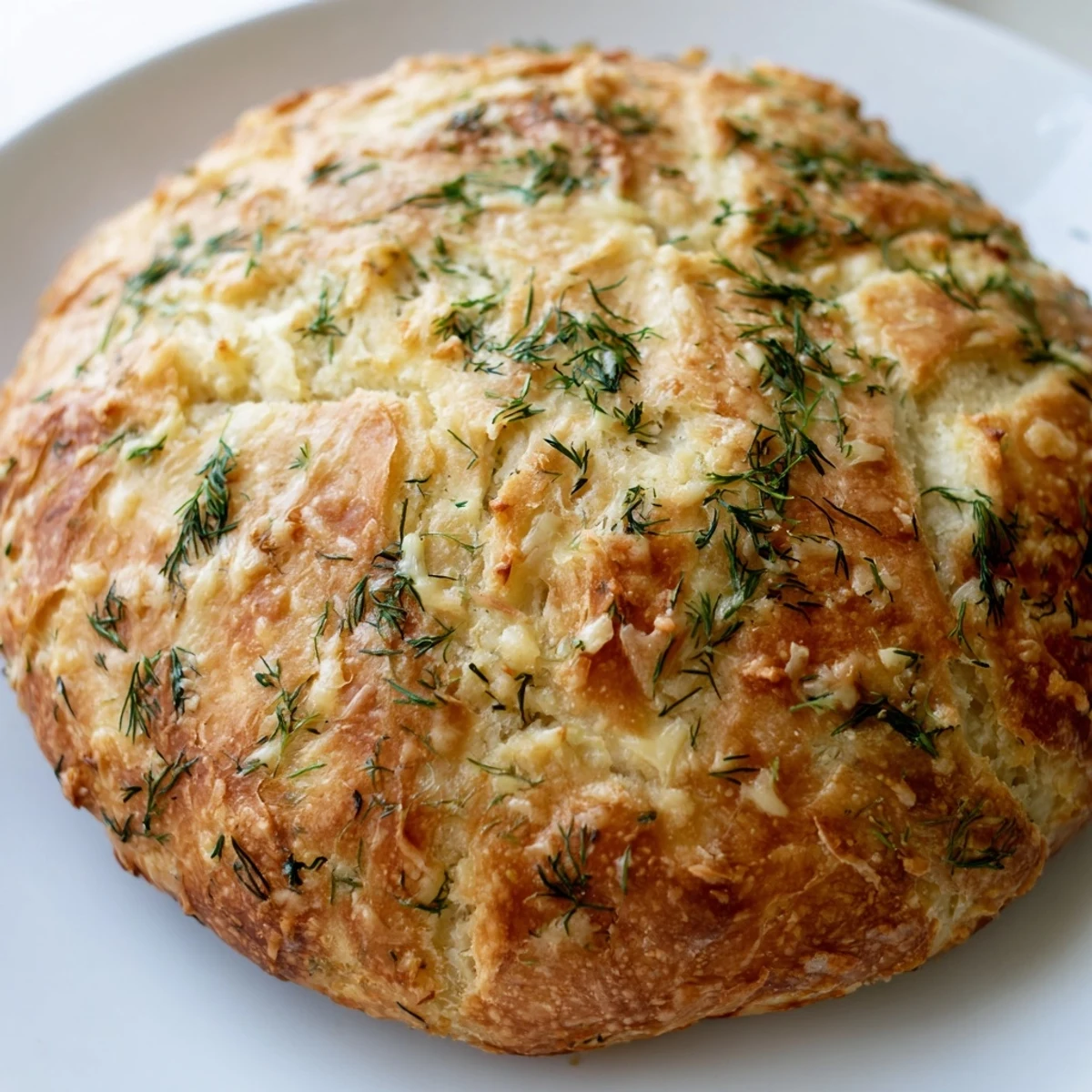
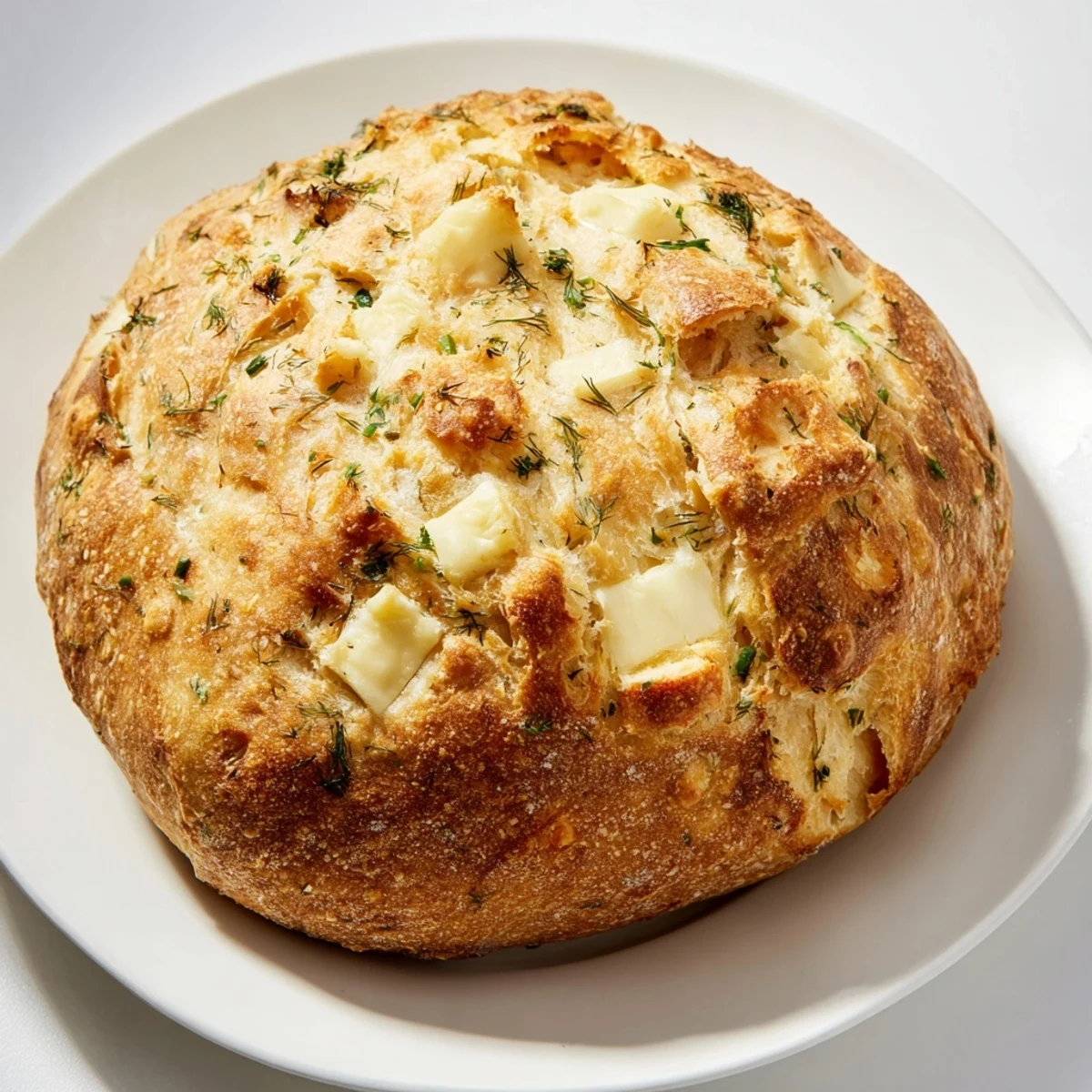
 This loaf combines aromatic fresh dill with creamy Gouda cheese in a rustic crusty format. The dough is mixed simply without kneading and allowed a long resting period, which develops flavor and texture naturally. Baking in a preheated Dutch oven creates a golden, crisp crust and tender crumb inside. The bread pairs well with soups, salads, or as sandwich bread, and variations with Emmental or Cheddar add new flavor twists. Ideal for those seeking an easy yet flavorful artisan bread at home.
My tiny apartment kitchen smelled unreal when I first attempted this bread. I had friends coming over for an impromptu soup night and zero energy for anything complicated. This dough literally mixed itself while I sat on the couch binge-watching a show.
That first loaf vanished before the soup bowls were even empty. My friend Sarah literally picked the burnt cheese off the parchment paper. Now I make two loaves at once because one just creates arguments over who gets the last slice.
Ingredients
- Bread flour: Higher protein content gives this loaf structure. All purpose works in a pinch but the texture suffers.
- Salt: Do not reduce this. It balances the rich cheese and keeps the flavor from falling flat.
- Instant yeast: No proofing needed. Dump it straight in and let time do the work.
- Gouda cheese: Young Gouda melts beautifully. Aged Gouda creates salty pockets instead of creamy ones.
- Fresh dill: The aroma hits you the second the bread comes out of the oven. Dried dill works but the flavor is more muted.
- Lukewarm water: Hot water kills yeast. Cold water slows everything down. Think bathwater temperature.
Instructions
- Mix your dry base:
- Whisk the flour, salt, and yeast in a large bowl until combined. Take your time here. Even distribution means even rising.
- Add the flavor:
- Toss in the Gouda and dill. Stir until the cheese is coated in flour. This prevents clumping later.
- Bring it together:
- Pour in the water and mix with a wooden spoon. The dough will look rough and shaggy. Stop mixing when no dry flour remains.
- Let it work:
- Cover the bowl tightly with plastic. Walk away for 8 to 12 hours. The dough should bubble and double in size.
- Shape gently:
- Scrape the dough onto a floured surface. Fold the edges toward the center a few times. Do not knead. You want to preserve those air bubbles.
- Final rise:
- Place the dough seam side down on parchment. Cover with a towel and let it rest for 45 to 60 minutes.
- Preheat strategically:
- Put your Dutch oven in the oven and heat to 450 degrees Fahrenheit. Let it get ripping hot for at least 30 minutes.
- Create the steam:
- Lift the dough by the parchment and lower it into the Dutch oven. Cover immediately to trap the steam.
- Bake covered:
- Cook for 30 minutes with the lid on. The trapped steam creates that crackly crust we are after.
- Finish with color:
- Remove the lid and bake another 15 minutes until deep golden brown. The cheese might bubble through the crust in places.
- Cool completely:
- Let the bread rest on a wire rack for at least an hour. Cutting into hot bread ruins the texture.
 Pin It
 This bread has become my go to for housewarming gifts. People lose their minds when they pull apart a still warm loaf. It feels like something from a bakery but required almost zero active effort.
Cheese Selection
Gouda is perfect because it melts into creamy pockets rather than disappearing completely. Young Gouda aged 4 to 6 months works best. Extra aged Gouda becomes too sharp and salty. The dill cuts through the richness while adding an herbal brightness that keeps each bite interesting.
Timing Strategy
I mix the dough before bed and bake first thing in the morning. The house smells incredible all day. For dinner bread, mix it in the morning and bake it while you prep the rest of your meal. The long rest window is flexible. Anything between 8 and 14 hours works beautifully.
Storage and Leftovers
This bread is best eaten the day it is baked but leftovers make incredible toast or croutons. Paper bags let the crust breathe. Plastic makes it soggy by the next day. Freeze slices wrapped in foil and thaw directly in the toaster.
- Wrap leftover slices individually and freeze for quick breakfast toast.
- Revive day old bread in a 350 degree oven for 10 minutes.
- Stale bread transforms into the best garlic bread you have ever made.
 Pin It
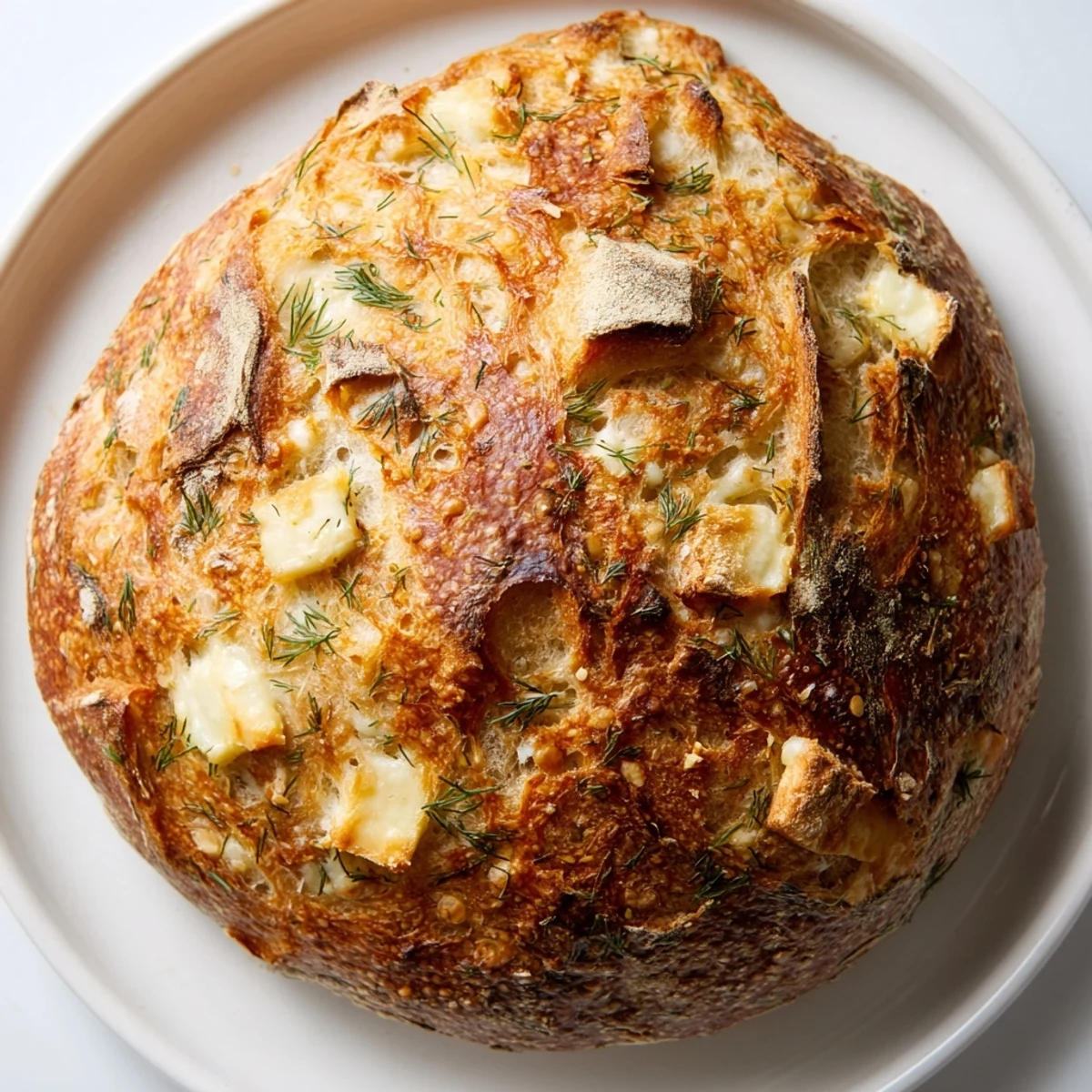
 There is something magical about pulling a golden crusty loaf from your own oven. Your kitchen will smell like a European bakery and people will think you spent hours mastering bread. Their secret is safe with us.
Recipe FAQs
- → How does the no-knead method affect bread texture?
-
The no-knead technique allows gluten to develop slowly during resting, resulting in a tender crumb with a crisp crust without intensive mixing.
- → Can I substitute Gouda with other cheeses?
-
Yes, Emmental or mild Cheddar work well and offer different flavor profiles while maintaining the loaf’s creamy character.
- → What is the purpose of the long fermentation time?
-
The extended rest enhances flavor depth and texture by allowing yeast to slowly activate and ferment the dough.
- → Is a Dutch oven necessary for baking?
-
Using a Dutch oven traps steam during baking, creating a crispy crust and moist interior. Alternatives like covered ceramic pots can also work.
- → How should this bread be stored to retain freshness?
-
Store in a paper bag at room temperature for up to two days or freeze slices for longer preservation.