
 Pin It
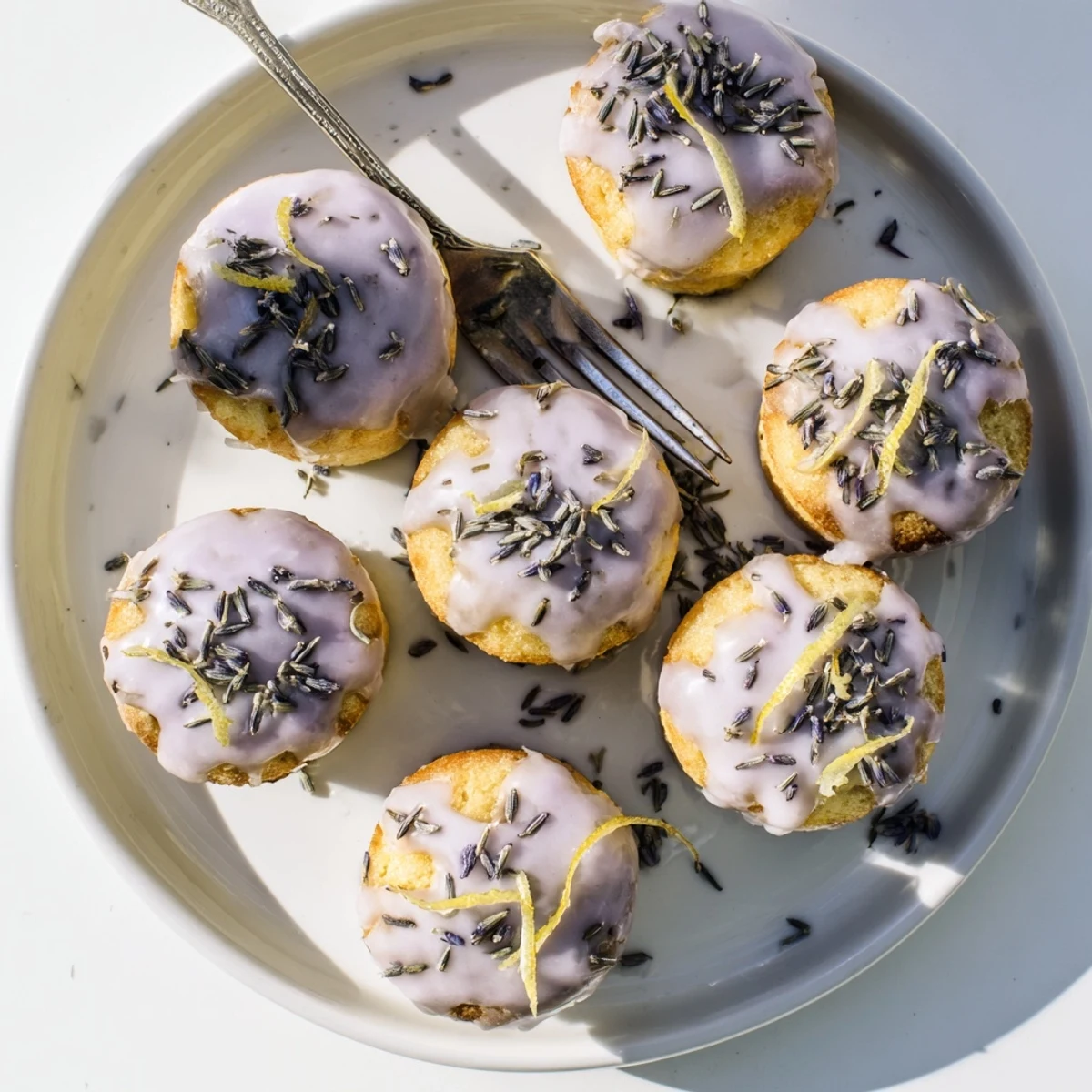
 These delightful mini lemon cakes combine bright citrus flavors with aromatic lavender for an elegant dessert experience. The tender crumb comes from perfectly balanced ingredients, while the floral glaze adds sophistication. Each bite offers moist texture and refreshing tang, making them ideal for afternoon tea, brunch gatherings, or special occasions.
The preparation involves creaming butter and sugar until fluffy, incorporating fresh lemon zest and juice, then alternating dry ingredients with milk for the perfect batter. After baking to golden perfection, a simple yet stunning lavender-infused glaze transforms these mini treats into stunning confections.
Professional tips include using culinary-grade lavender to avoid bitterness and potentially steeping milk with crushed lavender for intensified floral notes. The finished cakes pair beautifully with chilled Moscato or Earl Grey tea.
My neighbor Sarah brought me a small bundle of dried lavender from her garden last spring, and I spent weeks wondering what to do with it beyond making tea. Then came that Sunday afternoon when I was craving something bright and citrusy, and the idea just clicked. These mini cakes have since become my go-to when I want to bake something that looks impressive but comes together in under an hour.
I made these for my book club meeting last month and watched three people actually ask for the recipe before they even finished their first cake. Something about the combination of tart lemon and that whisper of floral lavender just makes people stop what theyre doing and pay attention.
Ingredients
- All-purpose flour: The structure builder here, but dont pack it down or your cakes will be dense instead of tender
- Baking powder and baking soda: This dual leavening team gives the cakes their perfect rise and light crumb
- Salt: Just a pinch wakes up all the other flavors
- Unsalted butter: Room temperature is non-negotiable, it needs to be soft enough to incorporate air bubbles
- Granulated sugar: Cream this thoroughly with the butter, those extra minutes make all the difference in texture
- Large eggs: Also at room temperature, cold eggs can seize up the butter and ruin your batter
- Freshly grated lemon zest: Really press that zest into the sugar to release the aromatic oils
- Fresh lemon juice: Acid activates the baking soda and provides that bright tang we love
- Whole milk: The fat content keeps the crumb moist and tender
- Pure vanilla extract: Because vanilla and lemon are best friends
- Powdered sugar: Sift it first or youre going to have lumpy glaze
- Milk for glaze: Start with less and add more until you reach that perfect pourable consistency
- Dried culinary lavender: Crush it finely between your fingers so you dont bite into big pieces
- Fresh lemon juice: Balances the sweetness of the powdered sugar
- Dried lavender buds: For that finishing touch that makes people say ooh
Instructions
- Get your oven ready:
- Preheat to 350°F and generously grease your mini bundt or muffin pan with butter, then dust with flour, tapping out the excess
- Whisk the dry team:
- In a medium bowl, combine the flour, baking powder, baking soda, and salt until everything is evenly distributed
- Cream butter and sugar:
- Beat the softened butter and sugar together for a full 2 to 3 minutes until its pale and fluffy, this step creates the tender texture
- Add eggs and flavor:
- Beat in the eggs one at a time, then mix in the lemon zest and vanilla until well combined
- Pour in the lemon juice:
- Mix it gently on low speed, the batter might look slightly curdled but thats completely normal
- Combine wet and dry:
- Add the flour mixture in three parts, alternating with the milk, starting and ending with flour, mixing only until just combined
- Fill the molds:
- Divide the batter evenly among your prepared pans, filling each about three quarters full
- Bake until done:
- Bake for 16 to 18 minutes until a toothpick comes out clean and the tops spring back when lightly pressed
- Cool completely:
- Let them rest in the pan for 10 minutes, then turn onto a wire rack to cool fully before glazing
- Make the lavender glaze:
- Whisk together powdered sugar, milk, crushed lavender, and lemon juice until smooth and pourable
- Glaze generously:
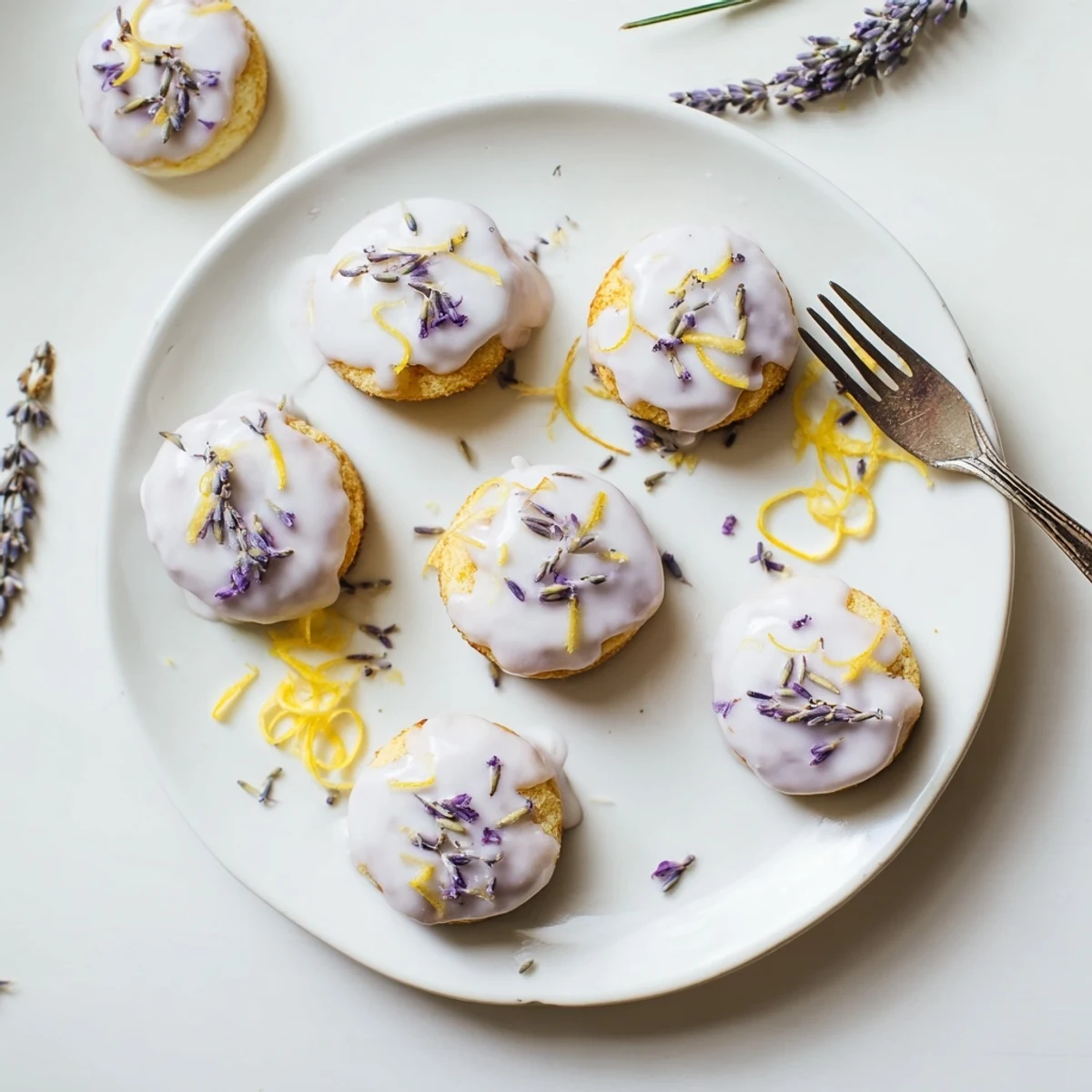
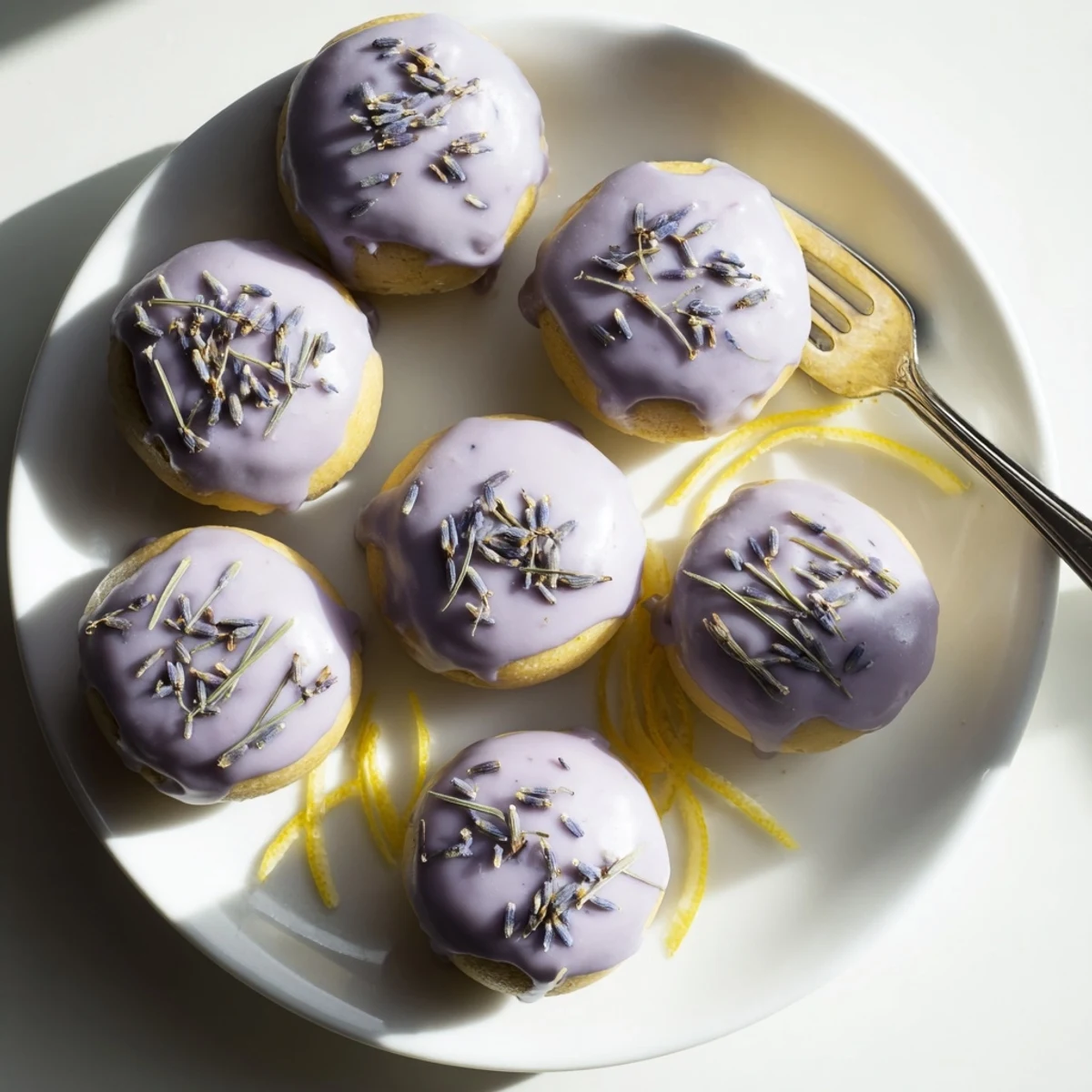
- Spoon the glaze over each cake, letting it drip down the sides and set into that beautiful crackle
- Finish with flair:
- Sprinkle with extra lavender buds and maybe some lemon zest strips while the glaze is still tacky
 Pin It
 My daughter asked if we could make these for her birthday instead of a full-sized cake, and honestly, it was the best decision. Everyone got their own perfect little portion, and the presentation looked like something from a fancy bakery.
Working With Lavender
Culinary lavender is different from the decorative kind you might find in potpourri, so make sure youre buying the right variety. English lavender tends to be sweeter and less camphorous than other types.
Making Them Ahead
Ive learned through trial and error that these freeze exceptionally well if you wrap them tightly before the glaze step. Just thaw them on the counter and glaze when youre ready to serve, they taste freshly baked.
Perfect Pairings
A chilled glass of Moscato or a hot cup of Earl Grey tea brings out the floral notes beautifully. Ive also served them with clotted cream for an extra indulgent afternoon tea experience.
- Try serving them on a tiered stand for maximum visual impact
- The glaze works equally well on scones or pound cake
- These make lovely hostess gifts wrapped in clear bags with ribbon
 Pin It
 Theres something deeply satisfying about pulling a tray of these golden little cakes from the oven, the kitchen already filling with that bright lemon scent. They never fail to make even an ordinary Tuesday afternoon feel a little more special.
Recipe FAQs
- → What makes these mini cakes moist?
-
The combination of creamed butter and sugar, alternating wet and dry ingredients, plus fresh lemon juice creates a tender, moist crumb. Proper baking time and not overmixing the batter also ensures optimal texture.
- → Can I use fresh lavender instead of dried?
-
Fresh lavender can be used, but dried culinary lavender is preferred for consistent flavor intensity. If using fresh, triple the amount and finely chop the buds before incorporating into the glaze.
- → How should I store these lemon cakes?
-
Store unglazed cakes in an airtight container at room temperature for up to 2 days. Once glazed, they're best enjoyed within 24 hours. For longer storage, freeze unglazed cakes for up to 3 months and glaze after thawing.
- → What can I substitute for the lavender?
-
Earl Grey tea-infused milk makes a lovely alternative, adding bergamot notes. Alternatively, use rosemary, thyme, or omit herbs entirely for a classic lemon glaze with extra citrus zest.
- → Why is culinary-grade lavender important?
-
Culinary lavender is specifically grown and processed for consumption, ensuring optimal flavor without pesticide residue or bitterness. Ornamental lavender may contain harsh compounds and lack pleasant taste.
- → Can I make these as regular-sized cakes?
-
Yes, bake as 12 standard cupcakes or two 6-inch rounds. Adjust baking time to 20–25 minutes for cupcakes or 25–30 minutes for rounds. The glaze recipe can be doubled for larger cakes.