
 Pin It
 This Mediterranean hummus platter brings together smooth, garlicky chickpea dip with a colorful array of fresh vegetables and traditional Mediterranean toppings. Simply blend chickpeas, tahini, lemon juice, and garlic into a creamy hummus base, then arrange on a platter with crisp cucumbers, cherry tomatoes, bell peppers, carrots, radishes, and snap peas. Complete the spread with kalamata olives, marinated artichokes, roasted red peppers, and optional feta cheese. Ready in just 20 minutes, this vegan and gluten-free friendly platter serves 6 and makes an impressive appetizer or healthy snack.
The first time I created a Mediterranean hummus platter was for an impromptu garden gathering when my neighbor dropped by with extra tomatoes from her garden. The vibrant colors against my grandmother's serving dish sparked something in me - suddenly we were swapping stories over torn pieces of pita and scoops of creamy hummus until sunset. There's something magical about food that requires no utensils, just willing hands and good conversation.
Last summer, I brought this platter to a potluck where nobody knew each other. As everyone reached for vegetables and dipped into the hummus, the awkward small talk transformed into genuine connection. My friend Eleni, whose Greek grandmother inspired some of these flavor combinations, whispered that it reminded her of family gatherings on her island home.
Ingredients
- Chickpeas: Rinsing canned chickpeas under cold water until they stop foaming changed my hummus game forever, removing that subtle metallic taste.
- Tahini: Look for a brand that flows rather than separates into a rock-solid paste, and always stir well before measuring.
- Extra-virgin olive oil: This is where splurging makes a difference, especially for the final drizzle that people taste directly.
- Fresh vegetables: The snap of crisp vegetables against creamy hummus creates that perfect textural contrast that makes this platter addictive.
- Kalamata olives: These bring a briny punch that cuts through the richness of the hummus, creating balance with every bite.
Instructions
- Blend the hummus base:
- Combine chickpeas, tahini, olive oil, lemon juice, garlic, cumin and salt in your food processor. You want to let it run longer than you think, about 3-4 minutes, for that silky-smooth restaurant quality.
- Achieve perfect creaminess:
- Add cold water a tablespoon at a time while the processor runs until the hummus swirls freely and looks whipped. The transformation happens suddenly and beautifully.
- Create a presentation swirl:
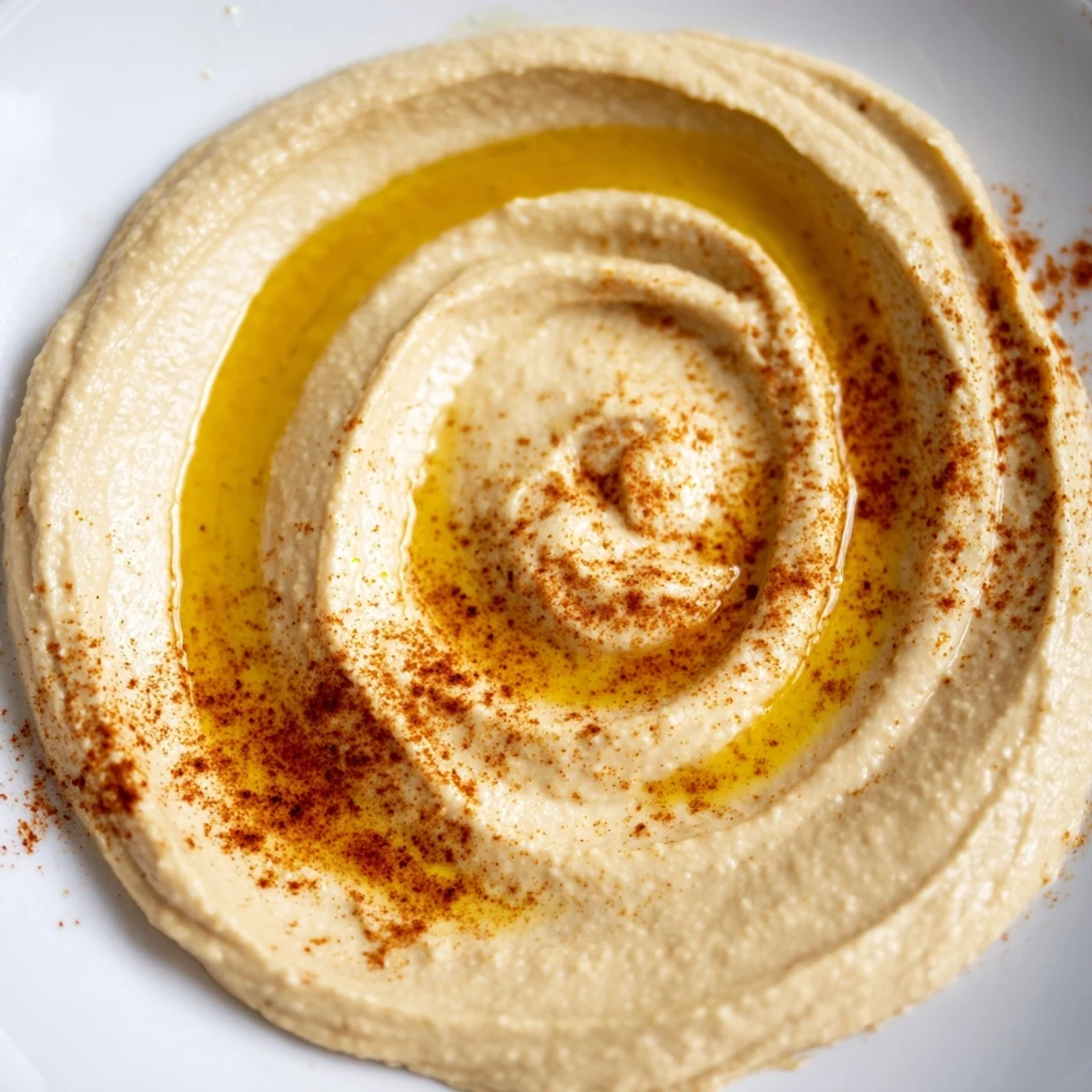
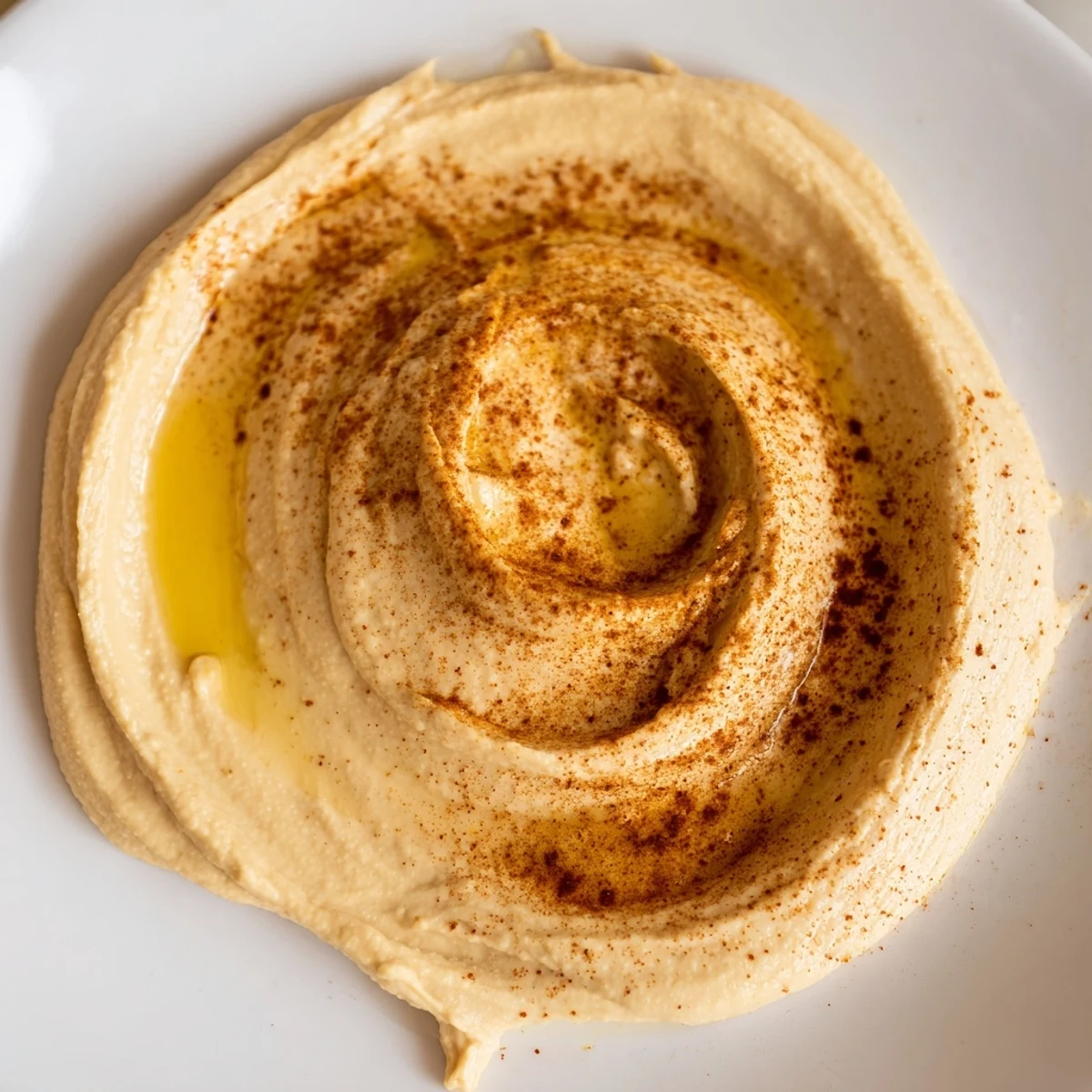
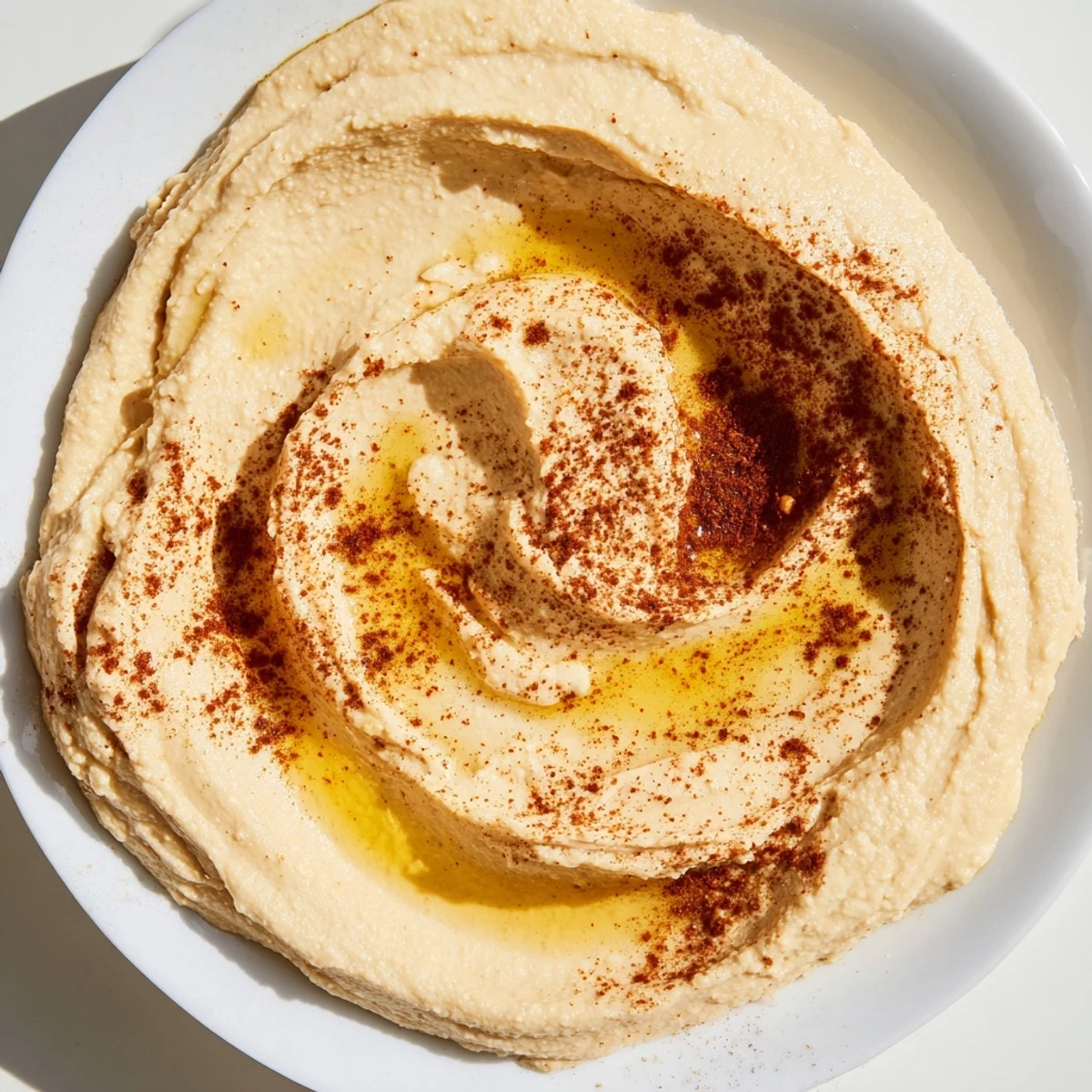
- Spoon your hummus onto the center of a large platter, then use the back of your spoon to create a spiral indentation. This little valley catches the olive oil and spices beautifully.
- Arrange your colorful accents:
- Place vegetables and Mediterranean accompaniments in clusters around the hummus, alternating colors for visual appeal. Think of building a color wheel that draws the eye around the platter.
- Add final touches:
- Drizzle with your best olive oil and dust with smoked paprika for that authentic finish. The bright red against the creamy beige is striking.
 Pin It
 The most touching moment with this recipe came when my father, who claims to dislike chickpeas, kept returning to the platter during our family reunion. Later he confessed hed been sneaking spoonfuls of just the hummus while helping clean up, asking in a whisper if I could teach his new wife how to make it for their weekly card games with neighbors.
Creating Balance on Your Platter
I've learned to think of this platter as a landscape with valleys and peaks, creating visual interest that makes people instinctively reach for it. Placing colorful vegetables like red bell peppers and radishes on opposite sides creates a visual anchor, while allowing the creamy hummus to remain the star of the show.
Seasonal Adaptations
During summer months, I include paper-thin slices of grilled zucchini that I've chilled, while winter platters might feature roasted cauliflower florets or thinly sliced fennel. The chickpea base remains constant while the surrounding elements shift with what looks most vibrant at the market, creating a platter that tells the story of the season.
Making It Your Own
After making this countless times, I've learned that personalization makes this platter special in ways a recipe can't dictate. My friend adds harissa to her hummus base, while my brother sprinkles everything bagel seasoning over the top.
- Consider dietary restrictions when selecting accompaniments, perhaps adding gluten-free crackers alongside traditional pita.
- Label any spicy or unusual elements with small cards if serving to new friends who might have preferences or allergies.
- Remember that room temperature ingredients offer the fullest flavor, so remove everything from the refrigerator about 30 minutes before serving.
 Pin It
 This Mediterranean platter has become my signature offering, the dish friends request when we gather. More than ingredients on a plate, it's become my way of saying youre welcome here, please stay awhile.
Recipe FAQs
- → How do I make hummus extra creamy?
-
Blend the chickpeas with tahini and olive oil until smooth, then gradually add cold water 1 tablespoon at a time. The key is achieving the right ratio—start with less water and add more until you reach your desired consistency. For silkier hummus, use roasted chickpeas rather than canned.
- → Can I prepare this platter ahead of time?
-
Yes! Make the hummus up to 3 days ahead and store it in an airtight container. Prepare vegetables 4-6 hours in advance and store them separately in the refrigerator. Assemble the platter 30 minutes before serving to keep vegetables crisp and fresh.
- → What vegetables work best for this platter?
-
Choose a mix of colorful, crisp vegetables for visual appeal and variety. Cherry tomatoes, cucumbers, bell peppers, carrots, radishes, and snap peas are classic choices. You can also add zucchini, celery, endive, fennel, or cauliflower depending on the season and your preferences.
- → How do I make this completely vegan?
-
Simply omit the feta cheese—the platter is already vegan-friendly with the hummus and vegetables. Use olive oil for drizzling instead of dairy-based toppings, and serve with vegan crackers or pita bread to keep the entire spread plant-based.
- → What's the best way to serve the platter?
-
Spoon hummus onto a large platter and create a swirl pattern with the back of a spoon. Arrange vegetables and accompaniments in sections around the hummus for an attractive presentation. Drizzle with olive oil, sprinkle paprika, and garnish with fresh parsley. Serve with pita bread or crackers on the side.
- → Can I make the hummus without a food processor?
-
A blender works well as an alternative. If you don't have either, use a fork to mash very soft chickpeas, though the texture won't be quite as smooth. Whisk in tahini and other ingredients until combined, adjusting consistency with water as needed.