
 Pin It
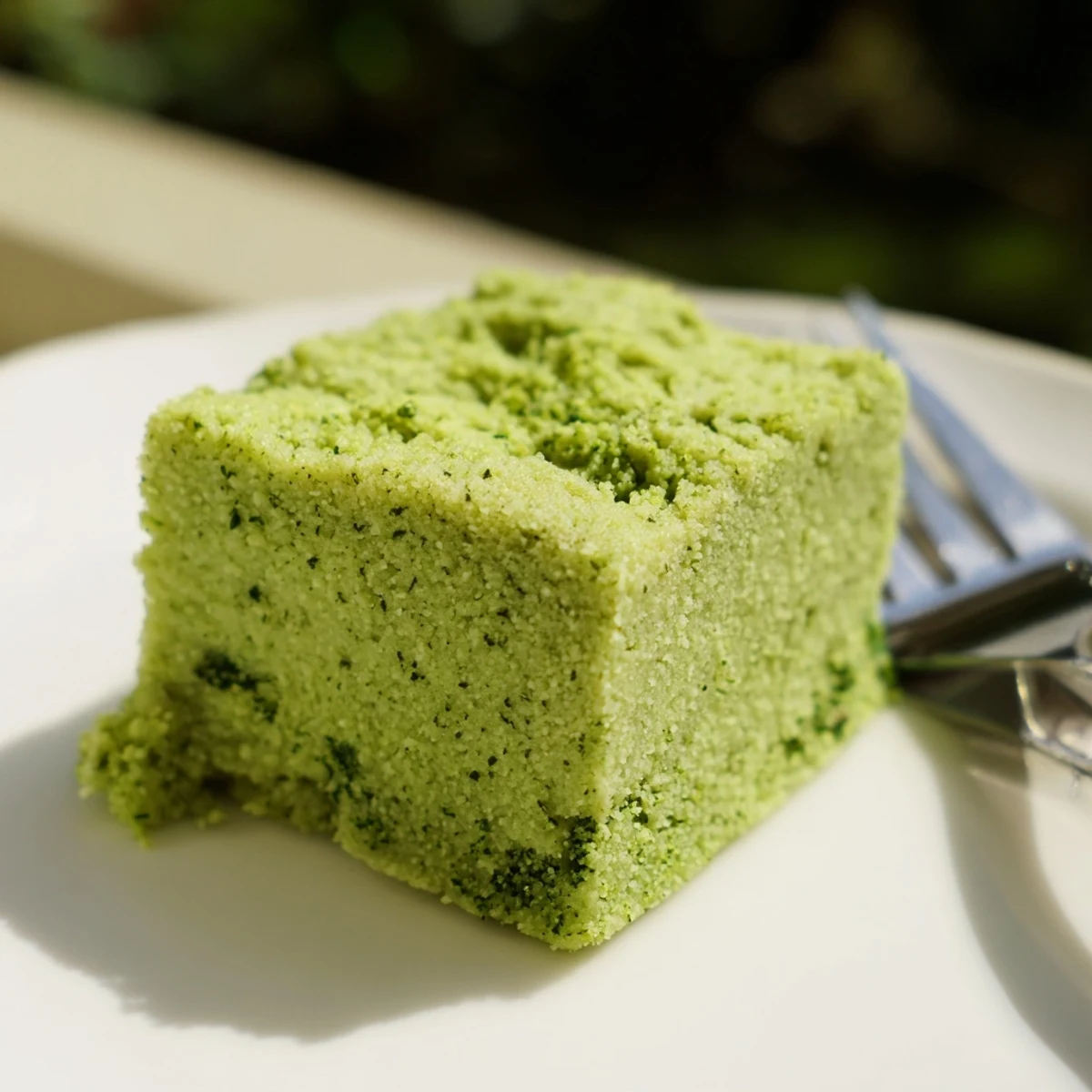
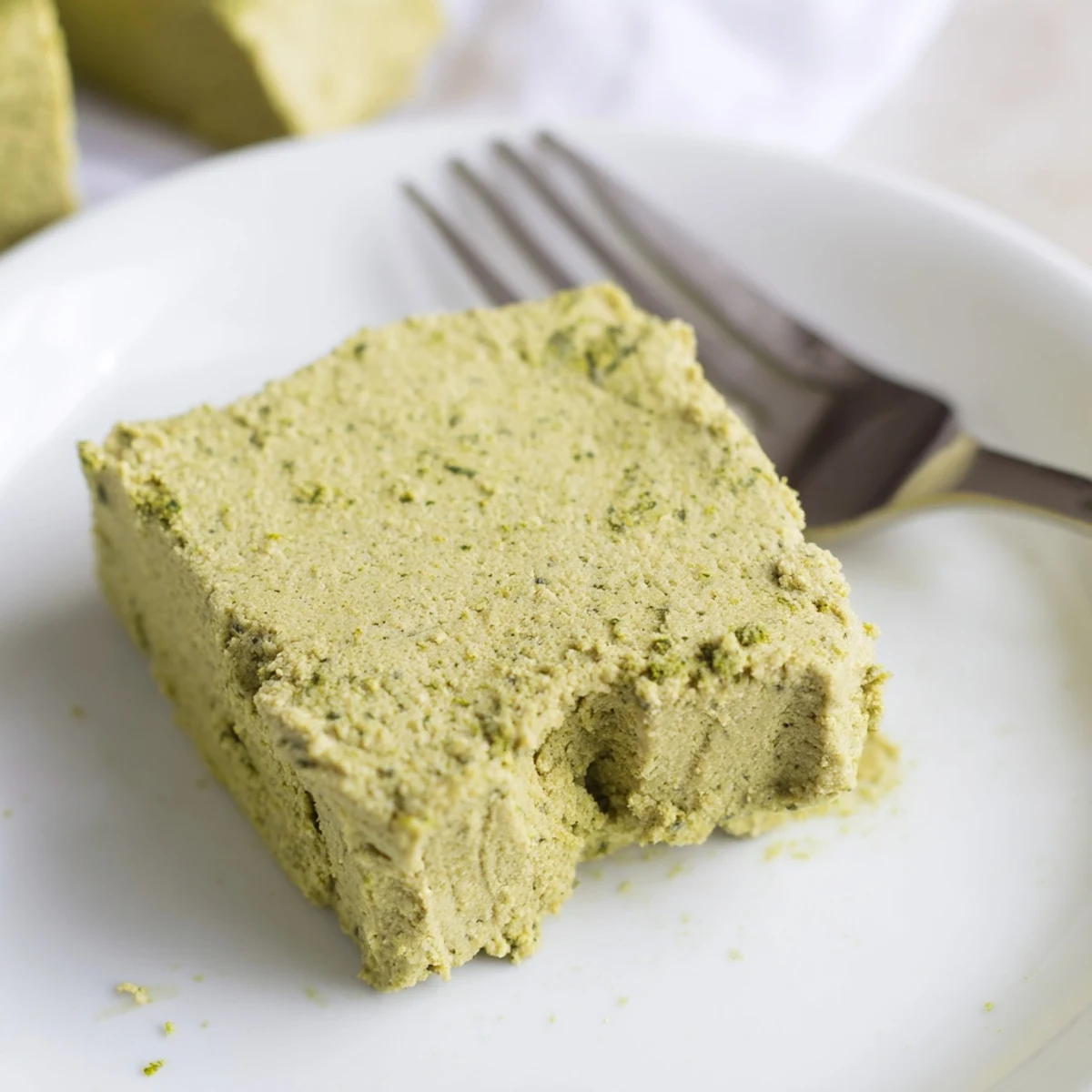
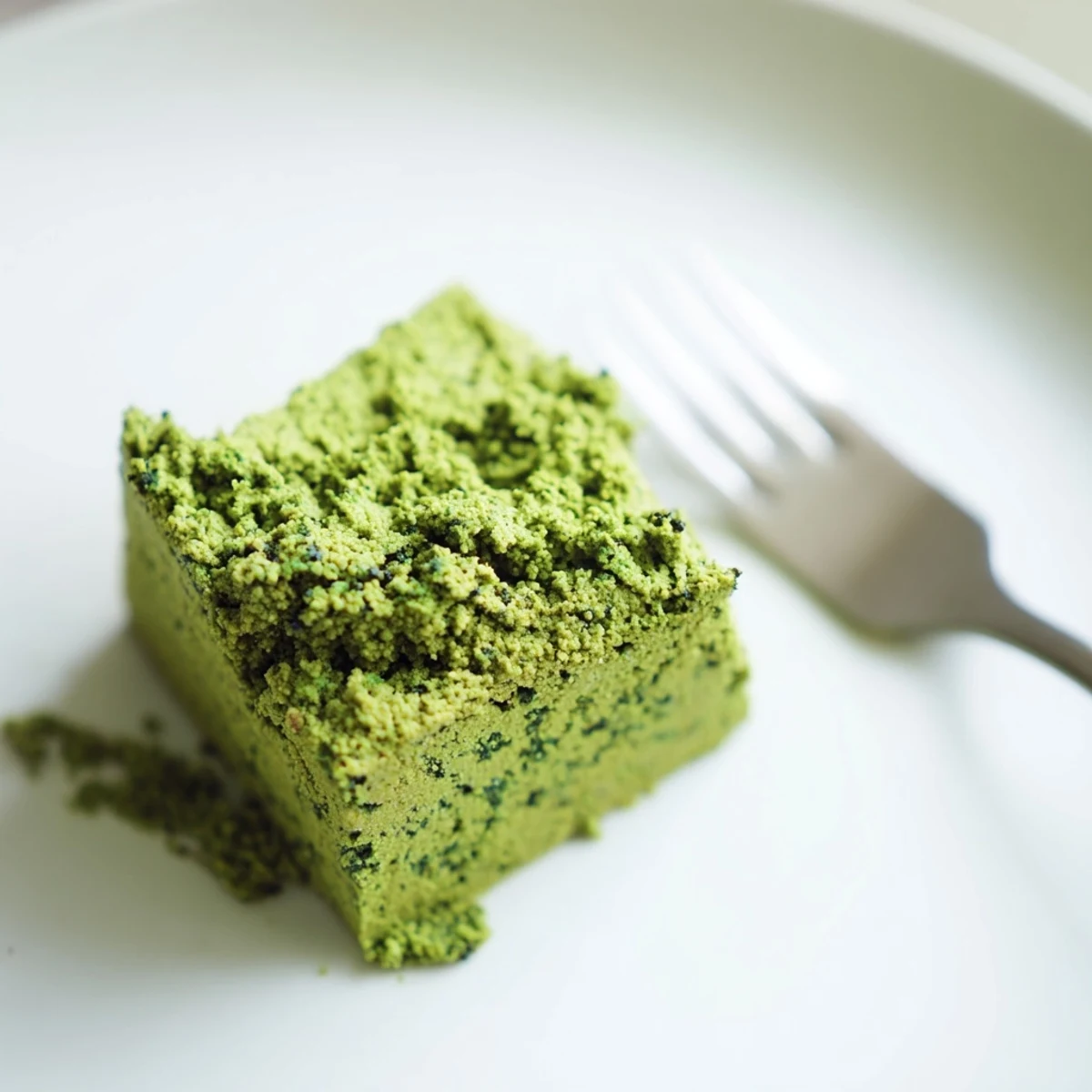
 This five-ingredient confection transforms creamy tahini with vibrant matcha green tea powder. The process creates a smooth sugar syrup heated to soft-ball stage, then quickly stirred into the tahini mixture until it thickens and develops that signature crumbly, fudgy texture. After chilling, the halva slices into perfect squares that melt on the tongue.
The earthy matcha beautifully balances the nutty sesame notes, while a pinch of sea salt enhances the complexity. Customize with toasted pistachios for extra crunch or adjust the matcha intensity to your taste. This keeps well for two weeks refrigerated, making it ideal for meal prep or gifting.
The afternoon sun hit my kitchen counter just right, catching the vibrant green dust of matcha that had escaped onto my fingers. Id been experimenting with tahini-based sweets for months, but something about this particular combination felt like a quiet revelation. My roommate walked in, took one look at the moss-colored mixture, and asked if I was making playdough. The look on her face when she took the first bite—earthy, creamy, just slightly bitter against the sweet—made all the syrup-temperature anxiety worth it.
I brought a batch to a book club meeting last spring, setting the unassuming squares on a platter beside more elaborate pastries. Someone asked what they were, and before I could finish explaining, the plate was empty. Three people messaged me that evening for the recipe, which feels like the highest compliment a dessert can receive. Now whenever I need something that feels special but doesnt require turning on my oven, this is what reaches for.
Ingredients
- 1 cup (250 g) tahini: Use well-stirred, unsweetened tahini—the natural oils are what give halva its signature crumble
- ½ cup (100 g) granulated sugar: White sugar creates the cleanest canvas for matchas grassy notes to shine
- 2 teaspoons matcha powder: Culinary grade is perfect here; ceremonial grade is lovely but unnecessary
- ⅓ cup (80 ml) water: Creates the syrup that transforms tahini from paste to confection
- Pinch of fine sea salt: Wakes up all the flavors and keeps things from feeling one-dimensionally sweet
Instructions
- Prep your pan first:
- The halva sets faster than you expect, so line an 8x4 inch loaf pan with parchment, letting the paper hang over the sides like handles
- Make the syrup:
- Combine sugar and water in a medium saucepan over medium heat, stirring until dissolved, then bring to a gentle boil without touching it until it hits 245°F on a candy thermometer
- Whisk the base:
- In a mixing bowl, stir together tahini, matcha powder, and salt until no green streaks remain
- Work quickly:
- Pour the hot syrup immediately into the tahini mixture, stirring vigorously with a wooden spoon until it thickens, turns matte, and starts pulling away from the sides—about 20 to 30 seconds
- Set and chill:
- Scrape the mixture into your prepared pan, smooth the top, let it cool for 10 minutes, then refrigerate for at least 1 hour until firm
- Slice and serve:
- Lift the halva from the pan using the parchment handles and cut into small squares
 Pin It
 My friend texted me from her kitchen at midnight last week, reporting that she had made three batches in a row because she kept thinking of tiny adjustments she wanted to try. Thats the thing about recipes this straightforward—they become a canvas. Some days I fold in chopped pistachios or a handful of dried rose petals. Other times I keep it plain and let the matcha do all the talking.
Getting The Texture Right
The magic of halva lives in that paradoxical space between crumbly and creamy, and achieving it comes down to how long you stir after adding the syrup. Under-stir and you will end up with something closer to tahini fudge. Over-stir and the oils separate, leaving you with a grainy, disappointing situation. Watch for the mixture to lose its gloss and start holding its shape—that is your sweet spot.
Matcha Grades Explained
Ceremonial matcha is meant for drinking, where its delicate flavor and vibrant color really matter. Culinary grade, on the other hand, is perfect for baking and confections because it is more robust and often slightly more bitter, which actually helps here. If you have only ceremonial on hand, it will still work beautifully, but it is not worth the extra expense just to fold it into a halva.
Serving And Storage
Halva keeps exceptionally well, which is part of why I love having it around for impromptu guests or late-afternoon chocolate emergencies. Store it in the refrigerator in an airtight container, and bring pieces to room temperature for about 10 minutes before serving—the texture transforms. Some people like to eat it straight from the fridge for a more fudge-like experience, and I am not here to judge either approach.
- Wrap individual pieces in wax paper if you are planning to gift them
- A sharp knife dipped in hot water cuts through cleanest
- The flavor actually improves after a day or two in the fridge
 Pin It
 There is something deeply satisfying about a dessert that comes together in minutes but tastes like it required patience and precision. I hope this finds its way into your refrigerator rotation.
Recipe FAQs
- → What does matcha halva taste like?
-
The combination features earthy, slightly grassy notes from the matcha balanced against the rich, nutty flavor of tahini. The texture is crumbly and fudgy, melting quickly on the tongue. A touch of salt enhances the overall sweetness and adds depth.
- → Why must the syrup be stirred quickly after adding to tahini?
-
The rapid stirring is crucial for proper crystallization. As the hot syrup hits the cooler tahini, you need to work fast to distribute it evenly before the mixture begins to thicken and set. About 20-30 seconds of vigorous mixing creates the signature matte, crumbly texture.
- → Can I substitute the tahini?
-
Tahini provides the authentic halva base and shouldn't be substituted. Other nut or seed butters like almond or sunflower will create different textures and flavors. For true halva results, use well-stirred, unsweetened tahini.
- → How do I know when the syrup reaches soft-ball stage?
-
A candy thermometer reading 245°F (118°C) indicates soft-ball stage. Without a thermometer, drop a small amount of syrup into cold water—it should form a soft, pliable ball that flattens when removed. This stage ensures proper texture.
- → How should I store matcha halva?
-
Keep refrigerated in an airtight container for up to two weeks. The cold maintains the firm texture and prevents the matcha from oxidizing. Bring to room temperature for 5-10 minutes before serving for the best flavor and texture.
- → Can I make this without a candy thermometer?
-
While possible, a thermometer ensures accuracy. The cold water test works as an alternative—drop syrup into ice water and check if it forms a soft ball. However, for consistent results every time, the thermometer is worth the small investment.