
 Pin It
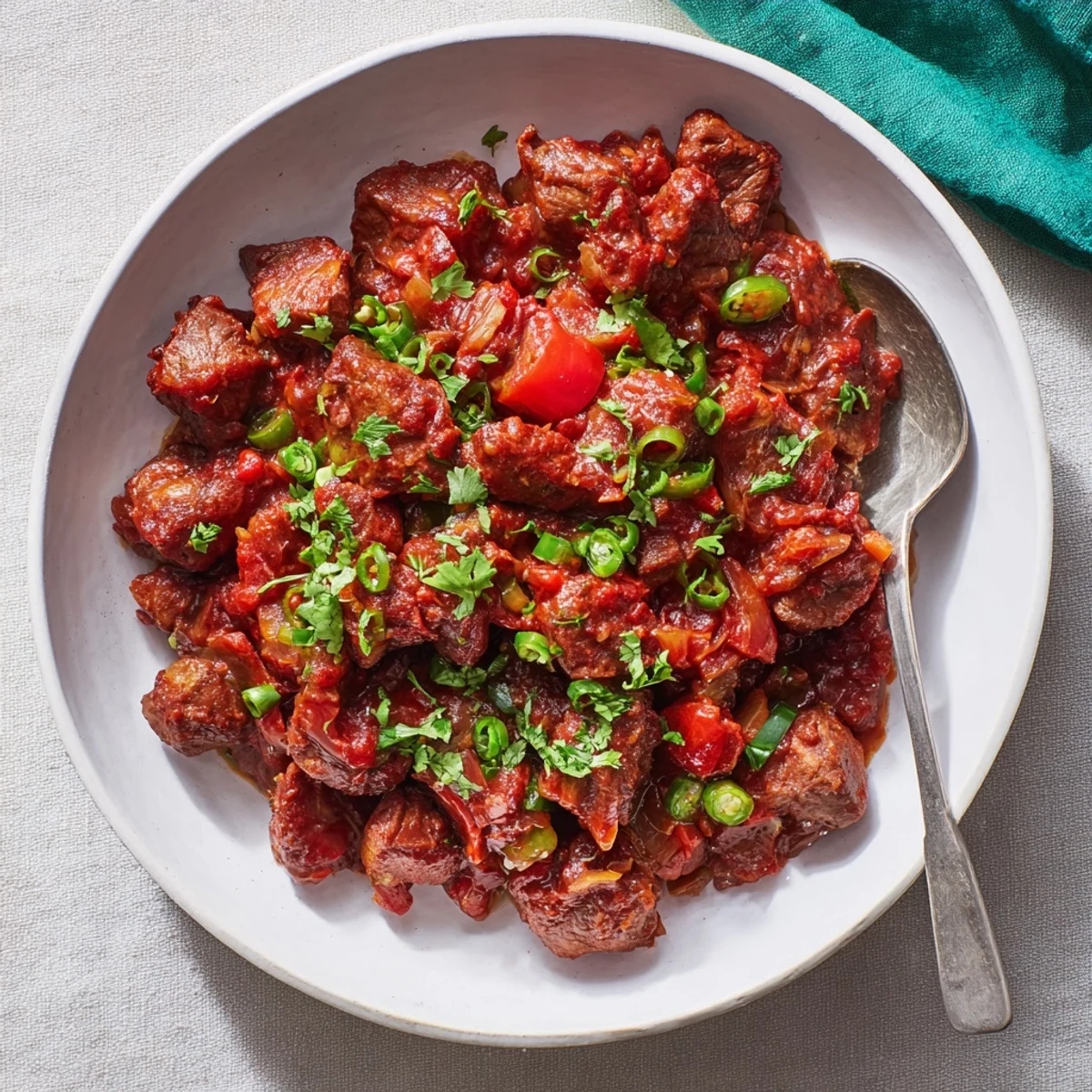
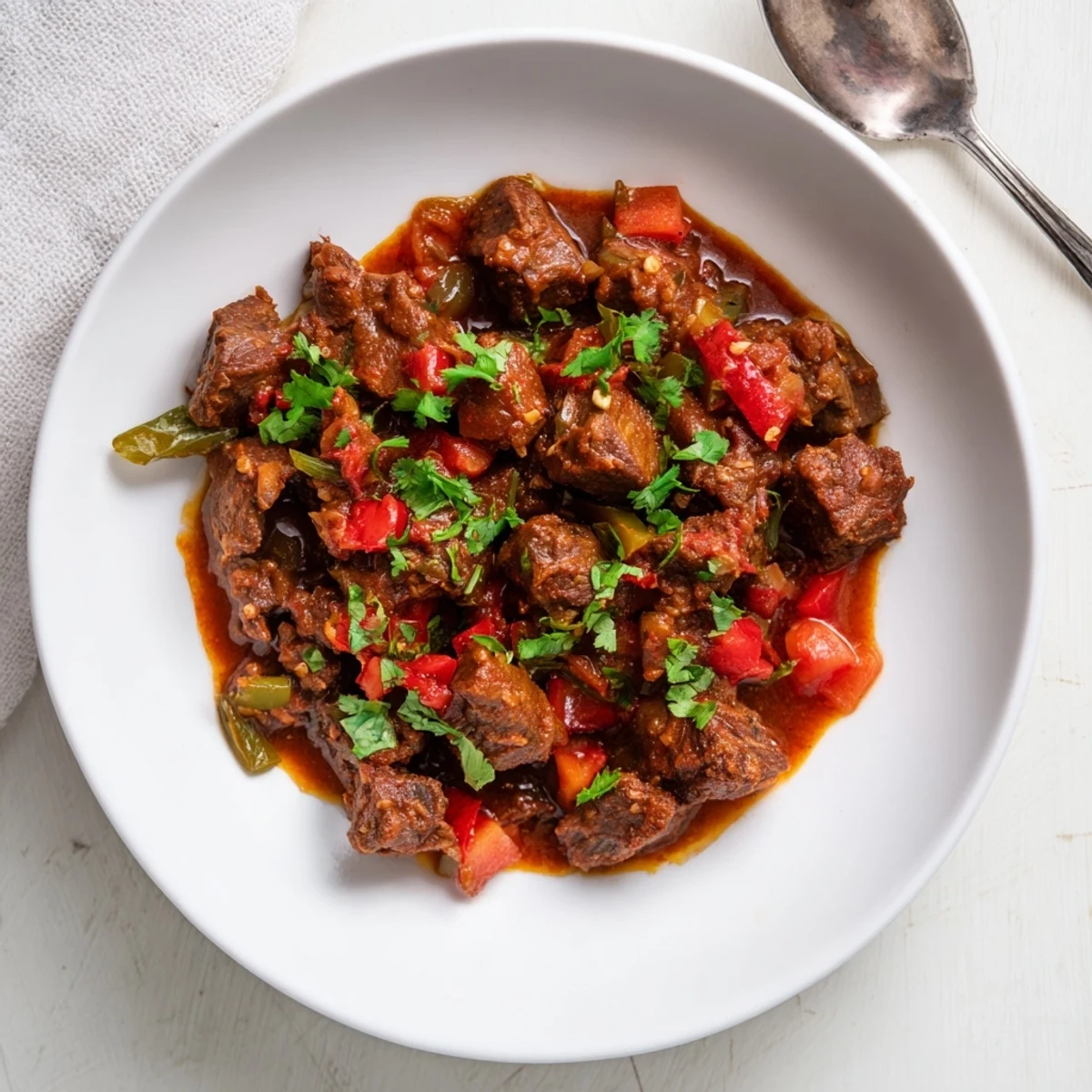
 Kenyan goat wet fry is a savory, aromatic dish featuring tender goat meat pieces stir-fried and simmered in a rich tomato-based sauce with caramelized onions, garlic, ginger, and warm spices like paprika, coriander, and turmeric. The meat is first boiled until tender, then cooked until the sauce thickens to a glossy, coating consistency. Ready in just over an hour, this gluten-free East African specialty delivers bold flavors and perfect texture when served hot alongside ugali, rice, or chapati.
The first time I had Kenyan goat wet fry was at a small family gathering in Nairobi, where the aroma of caramelized onions and spices filled the entire compound. My friend's grandmother stood over a large sufuria (cooking pot), stirring and tasting with the confidence of someone who'd made this dish a thousand times. When she finally served it with mounds of steaming ugali, I understood why this recipe is passed down through generations. That evening taught me that good Kenyan cooking isn't just about following steps, it's about patience and knowing exactly when the sauce has reached that perfect glossy finish.
Last month, I made this for a dinner party and watched my normally reserved friend go back for thirds. There's something about how the sauce clings to every piece of meat that makes it impossible to stop eating. My neighbor actually knocked on my door to ask what smelled so good, and ended up staying for dinner.
Ingredients
- 1 kg goat meat: The star of the show, cut into bite-sized pieces so it cooks evenly and absorbs all those spices
- 2 large onions: Finely sliced because they'll caramelize into the sauce's sweet base
- 3 medium tomatoes: Diced fresh to create that rich, tangy foundation
- 2 cloves garlic and 1 thumb-sized piece ginger: Minced together to build that aromatic base no Kenyan dish is complete without
- 2–3 green chilies: Sliced thin to add just the right amount of heat, though you can adjust based on your spice tolerance
- ½ bunch fresh coriander: Chopped and added at the end for that burst of fresh, herbal brightness
- 3 tbsp vegetable oil: For frying and creating that beautiful glossy finish
- 1 tsp each salt, black pepper, paprika, and ground coriander: The essential spice quartet that gives this dish its signature flavor profile
- ½ tsp turmeric powder: Optional but adds that gorgeous golden color and subtle earthy note
- 200 ml water: Just enough to simmer the meat tender without drowning it
Instructions
- Simmer the goat meat until tender:
- Rinse the meat and place it in your large saucepan with half the onions, garlic, ginger, and half the salt. Add enough water to cover everything (staying within 200ml), bring it to a rolling boil, then reduce to a gentle simmer. Cover and cook for 25-30 minutes until the meat is fork-tender and most of the liquid has been absorbed into the meat.
- Caramelize the onions to golden perfection:
- Heat your oil in a heavy-bottomed pan over medium-high heat and toss in the remaining onions. Stir occasionally until they're a deep golden brown—this is where the dish gets its rich, sweet base and that characteristic glossy finish.
- Build the tomato and chili base:
- Add your diced tomatoes and sliced green chilies to the caramelized onions, sautéing until the tomatoes break down completely and the mixture thickens into a fragrant paste. The kitchen should smell amazing right about now.
- Combine everything with the spices:
- Add the cooked goat meat along with any remaining juices from the saucepan. Sprinkle in paprika, ground coriander, black pepper, turmeric, and the remaining salt, stirring until every piece is coated in that vibrant spice blend. Cook uncovered for 10-15 minutes, stirring often, until the sauce reaches that perfect wet consistency—thick enough to cling to the meat but not soupy.
- Finish with fresh coriander and adjust seasoning:
- Taste your dish and add more salt or spice if needed, then stir in the chopped fresh coriander and cook for just 1-2 minutes more. The coriander should be bright green and fragrant, not wilted.
 Pin It
 This recipe became my go-to for comfort after a particularly rough week. There's something therapeutic about standing over the pan, watching the sauce thicken and transform. My cousin now requests it every time she visits, claiming it's better than any restaurant version she's tried.
Getting the Meat Right
I've learned that goat meat needs patience more than anything else. The initial simmering step is non-negotiable, it's what breaks down the tough fibers and infuses the meat with flavor from the inside out. Skip this and you'll be chewing forever.
The Secret to Perfect Onions
Golden brown means exactly that, not burnt and not pale. I set a timer because it's easy to get distracted and end up with bitter, overcooked onions. Those properly caramelized onions are what give the sauce its natural sweetness and depth.
Serving Suggestions
Traditional Ugali is perfect because its mild flavor lets the meat shine, but rice works wonderfully too for soaking up that sauce.
- Make extra if you're feeding a crowd, this dish disappears fast
- Chapati on the side turns it into a complete Kenyan feast
- Leftovers actually taste better the next day as the flavors deepen
 Pin It
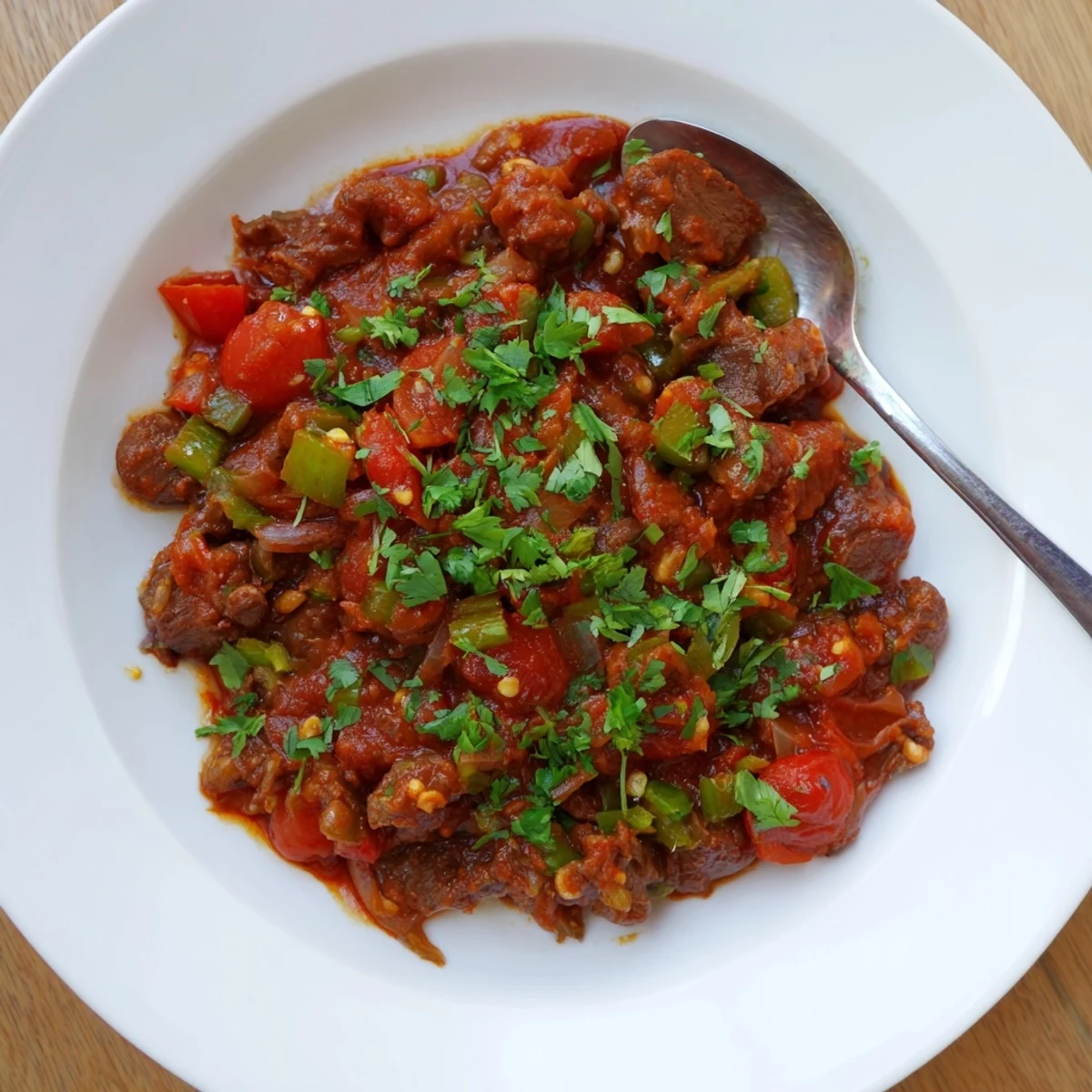
 There's nothing quite like gathering around a table with steaming plates of goat wet fry and good company. Food this good was meant to be shared.
Recipe FAQs
- → What makes Kenyan goat wet fry authentic?
-
Authentic Kenyan goat wet fry features tender goat meat slow-cooked with caramelized onions, tomatoes, garlic, ginger, and traditional spices like paprika and ground coriander. The sauce should be thick and glossy, coating each piece of meat rather than being soupy or dry.
- → How do I make the goat meat tender?
-
Simmer the goat meat with aromatics for 25-30 minutes until most liquid is absorbed and the meat is tender. You can also brown the meat briefly in oil before simmering for extra depth of flavor.
- → What can I serve with goat wet fry?
-
This dish pairs perfectly with ugali (Kenyan cornmeal porridge), steamed rice, or warm chapati flatbread. The starchy sides complement the rich, saucy meat beautifully.
- → Can I substitute goat meat with other proteins?
-
Yes, you can use beef, lamb, or chicken instead of goat. Adjust cooking times accordingly—chicken will cook faster, while beef may need similar time to goat.
- → Is Kenyan goat wet fry spicy?
-
The dish has mild to medium heat from black pepper and optional green chilies. You can adjust the spice level by reducing or increasing the chilies according to your preference.
- → How long does Kenyan goat wet fry keep?
-
Best served immediately for maximum juiciness and flavor, though leftovers can be refrigerated for 2-3 days. Reheat gently to maintain the meat's texture and the sauce's glossy consistency.