
 Pin It
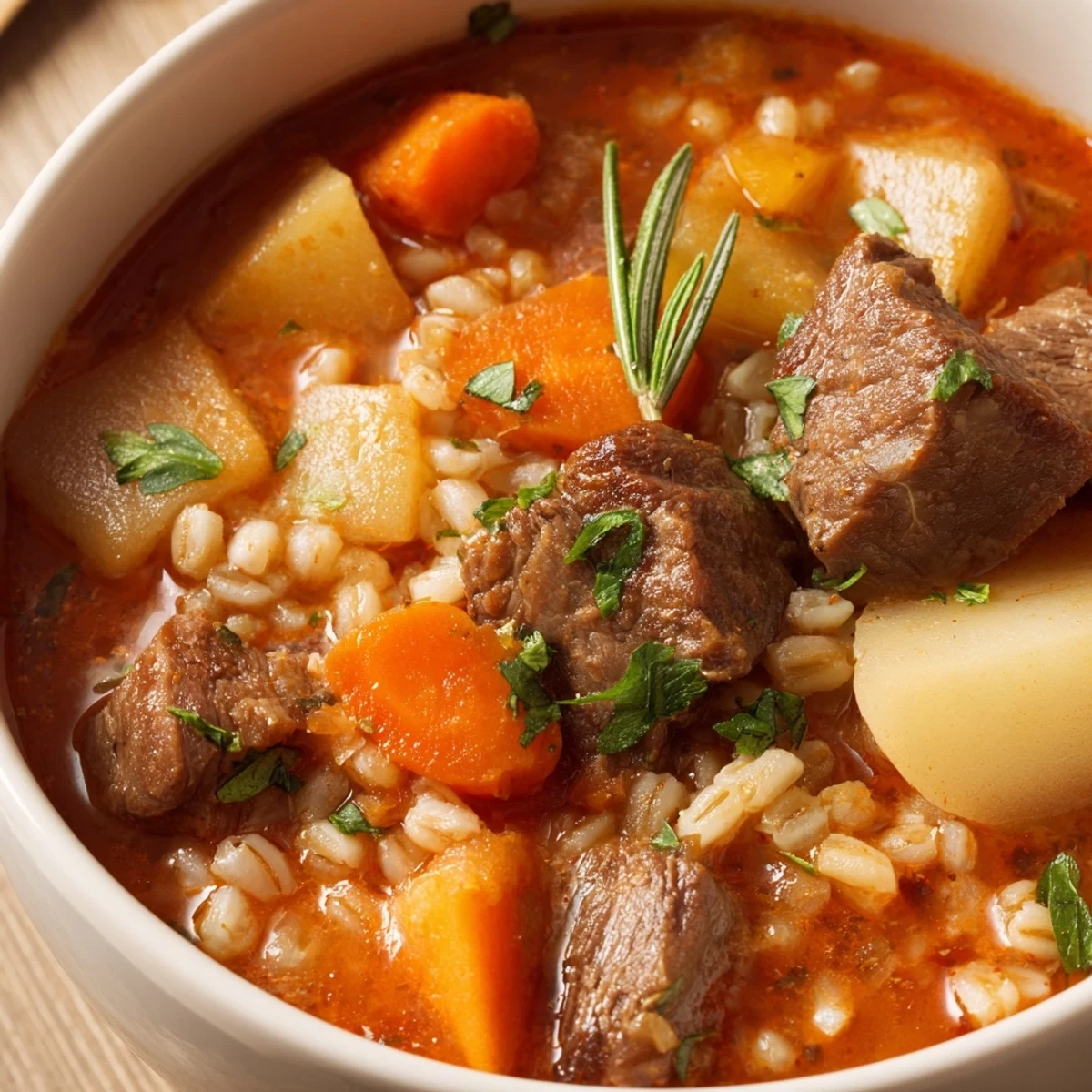
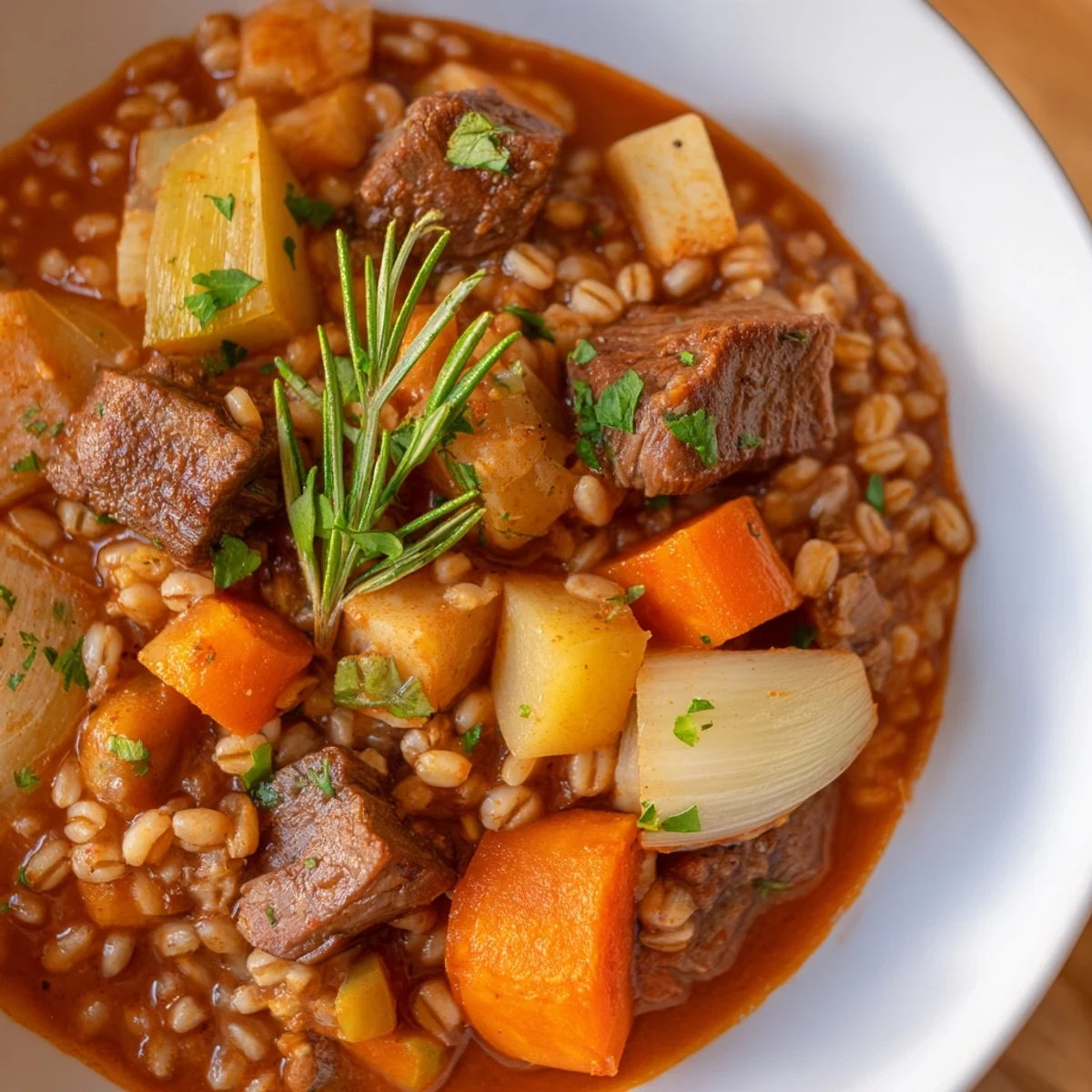
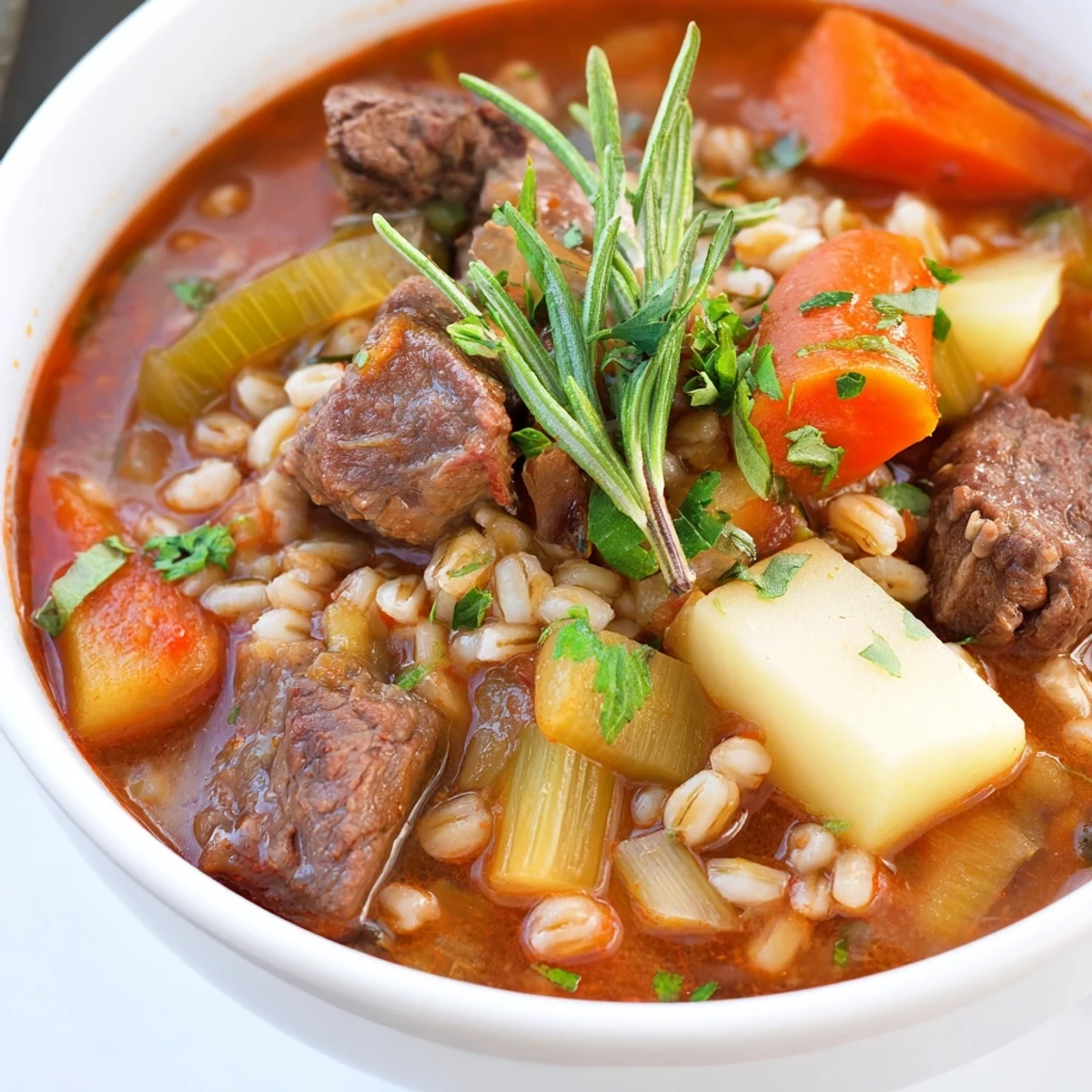
 This hearty dish combines tender beef chuck with nutty pearl barley and an array of sweet root vegetables like carrots, parsnips, and turnips. Slow-simmered in flavorful broth and seasoned with thyme, rosemary, and bay leaves, it delivers a robust and warming meal ideal for cold days. The barley adds a pleasant texture while the fresh parsley garnish brightens the dish. Preparation involves browning meat, sautéing vegetables, and long simmering to develop deep flavors.
There's something about the first cold snap of the year that sends me straight to my stove with a Dutch oven in mind. My neighbor once said her mother made this beef and barley stew every October without fail, and she'd describe how the house would smell like roasted beef and herbs hours before dinner was ready. I borrowed that tradition and made it my own, tweaking the vegetables to match what I find at the market and the seasons.
I made this for a dinner party once when a friend was going through a rough patch, and she later told me that coming to a table with a steaming bowl of this stew felt like the first moment she'd felt cared for in weeks. That's when I realized this wasn't just a recipe—it was a way of saying I'm thinking of you without needing the words.
Ingredients
- Beef chuck, cut into 1-inch cubes (2 lbs): This cut has enough marbling to become tender during the long simmer, and it's forgiving enough that you don't need a perfectly sharp knife.
- Olive oil (2 tbsp): High heat tolerance and a flavor that complements the earthiness of the vegetables without overpowering anything.
- Onion, diced (1 large): The foundation—it sweetens as it cooks and builds the savory base that holds everything together.
- Garlic, minced (3 cloves): Add it after the onion softens or it'll burn and taste bitter; learn that lesson once and you won't forget.
- Carrots, sliced (3): They stay firm enough during cooking to give you something to bite into, and their sweetness balances the herbs beautifully.
- Parsnips, chopped (2): These are the secret weapon—earthy and slightly sweet, they add a depth that regular potatoes alone can't match.
- Celery stalks, chopped (2): Don't skip this; it's the quiet backbone of the flavor profile.
- Potatoes, cubed (2 medium): They thicken the broth naturally as they break down, no roux needed.
- Turnip, diced (1): Its slight bitterness cuts through the richness and keeps the stew from feeling too heavy.
- Pearl barley, rinsed (3/4 cup): Rinsing removes excess starch and prevents the stew from becoming gluey; this one step changes everything.
- Beef broth (6 cups): Use low sodium so you control the salt level and can taste the actual meat and vegetables.
- Water (1 cup): Dilutes the broth just enough to let the barley cook properly without the flavors becoming too concentrated.
- Tomato paste (2 tbsp): A small amount adds umami depth and a subtle sweet-tart note that rounds out the savory flavors.
- Dried thyme and rosemary (1 tsp each): These herbs infuse slowly, so there's no need for fresh; dried is actually better here.
- Bay leaves (2): Remove them before serving—they've done their job of flavoring the liquid.
- Black pepper (1/2 tsp) and salt (to taste): Taste as you go; the broth and tomato paste already have salt, so you need less than you'd think.
- Fresh parsley, chopped (2 tbsp, optional): A bright finish that wakes up the palate after all those warm, earthy flavors.
Instructions
- Get your pot hot and brown the beef:
- Heat the olive oil in your Dutch oven over medium-high heat until it shimmers. Working in batches so the pot isn't crowded, add the beef cubes and let them sit untouched for a minute or two until they develop a golden crust—this is where the deep flavor comes from. Brown them on all sides, then transfer to a plate.
- Build the flavor base with aromatics:
- In the same pot with all those browned bits still clinging to the bottom, add the diced onion and let it soften for about 3 minutes, stirring occasionally. Add the minced garlic and cook for just 1 minute until fragrant; you want it soft and sweet, not burnt and acrid.
- Add the vegetables and toast them lightly:
- Stir in the carrots, parsnips, celery, potatoes, and turnip. Let everything cook together for about 5 minutes, stirring now and then, so the vegetables start to soften and their edges catch a little color.
- Bring back the beef and season:
- Return the browned beef to the pot. Add the tomato paste, thyme, rosemary, bay leaves, and black pepper, stirring until everything is coated evenly in that deep, aromatic mixture. The tomato paste should dissolve into the vegetables and beef.
- Add the liquid and start the long simmer:
- Pour in the beef broth and water, scraping up any stuck-on bits from the bottom of the pot as you stir. Bring it to a boil, then reduce the heat to low, cover, and let it simmer gently for 1 hour. You're looking for just a few lazy bubbles breaking the surface, not a rolling boil.
- Add the barley and finish cooking:
- Stir in the rinsed barley, cover again, and continue simmering for another 45 minutes until the beef is fall-apart tender and the barley has absorbed enough liquid to be creamy but still have a slight chew. Taste a piece of beef to know when you're there.
- Season and serve:
- Remove the bay leaves, taste the stew, and add salt gradually until it tastes like itself. Ladle into bowls and scatter fresh parsley over the top if you have it.
 Pin It
 I've learned that the best thing about this stew is how it transforms leftover beef into something that tastes even better the next day, when all the flavors have gotten to know each other in the refrigerator overnight. There's a quiet magic in reheating it slowly on the stove, stirring occasionally, knowing you're moments away from something that tastes like home.
The Art of the Long Simmer
This stew teaches you the value of patience in a way that most quick weeknight dinners never can. Low heat and time do the work that aggressive boiling never will—the meat becomes silken, the vegetables soften without falling apart, and the broth deepens into something complex and satisfying. Watch it occasionally, stir it when you pass by the stove, but mostly just let it do its thing while you go about your day.
Customizing Your Vegetables
The beauty of this stew is that it's forgiving with substitutions. Don't have parsnips? Use more carrots or add a small sweet potato. Turnip seems strange to you? Try rutabaga instead, or just skip it and double down on celery and onion. I've made this in winter with storage vegetables and in late summer with fresh market finds, and it's always been a completely different but equally satisfying meal.
Wine, Storage, and Second Helpings
If you want to add a splash of red wine to the broth, do it after the vegetables have cooked for a few minutes—it will simmer off the alcohol and leave behind a subtle richness that catches people's attention. Store leftovers in an airtight container in the refrigerator for up to four days, or freeze for up to three months. This stew actually improves with time as the flavors marry together, so don't hesitate to make a full batch.
- Reheat gently on the stovetop over low heat, adding a splash of water if the stew has thickened too much.
- A sprinkle of fresh parsley or a crack of black pepper brightens each bowl when you serve it.
- Double the recipe without changing the cooking time and you'll always have something comforting in your freezer.
 Pin It
 This stew is the kind of dish that turns an ordinary evening into something worth remembering, whether you're cooking for people you love or just for yourself. Make it once and you'll understand why it's been passed down through generations.
Recipe FAQs
- → What cut of beef works best?
-
Beef chuck is ideal for its tenderness and flavor after slow cooking, offering rich, tender bites.
- → Can I substitute barley with another grain?
-
Yes, pearl barley is traditional, but you can use farro or brown rice for a similar texture.
- → How long should the stew simmer?
-
Simmering for about 2 hours total allows the beef to become tender and the flavors to meld beautifully.
- → Which vegetables enhance the stew?
-
The combination of carrots, parsnips, celery, potatoes, and turnips adds sweetness and earthiness complementing the beef.
- → Any tips for thicker broth?
-
Reduce the liquid slightly while simmering or mash some cooked barley and vegetables into the broth for a thicker texture.