
 Pin It
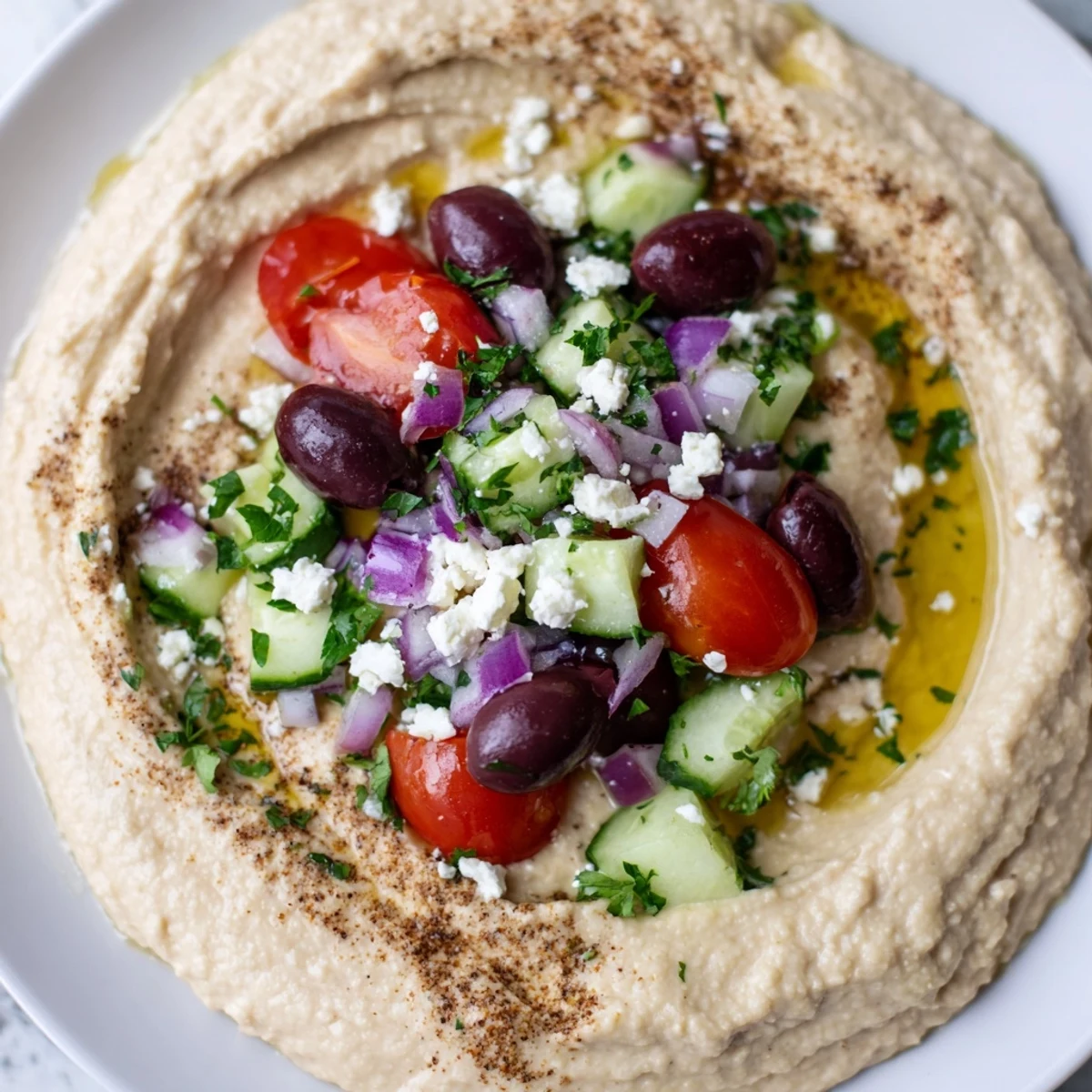
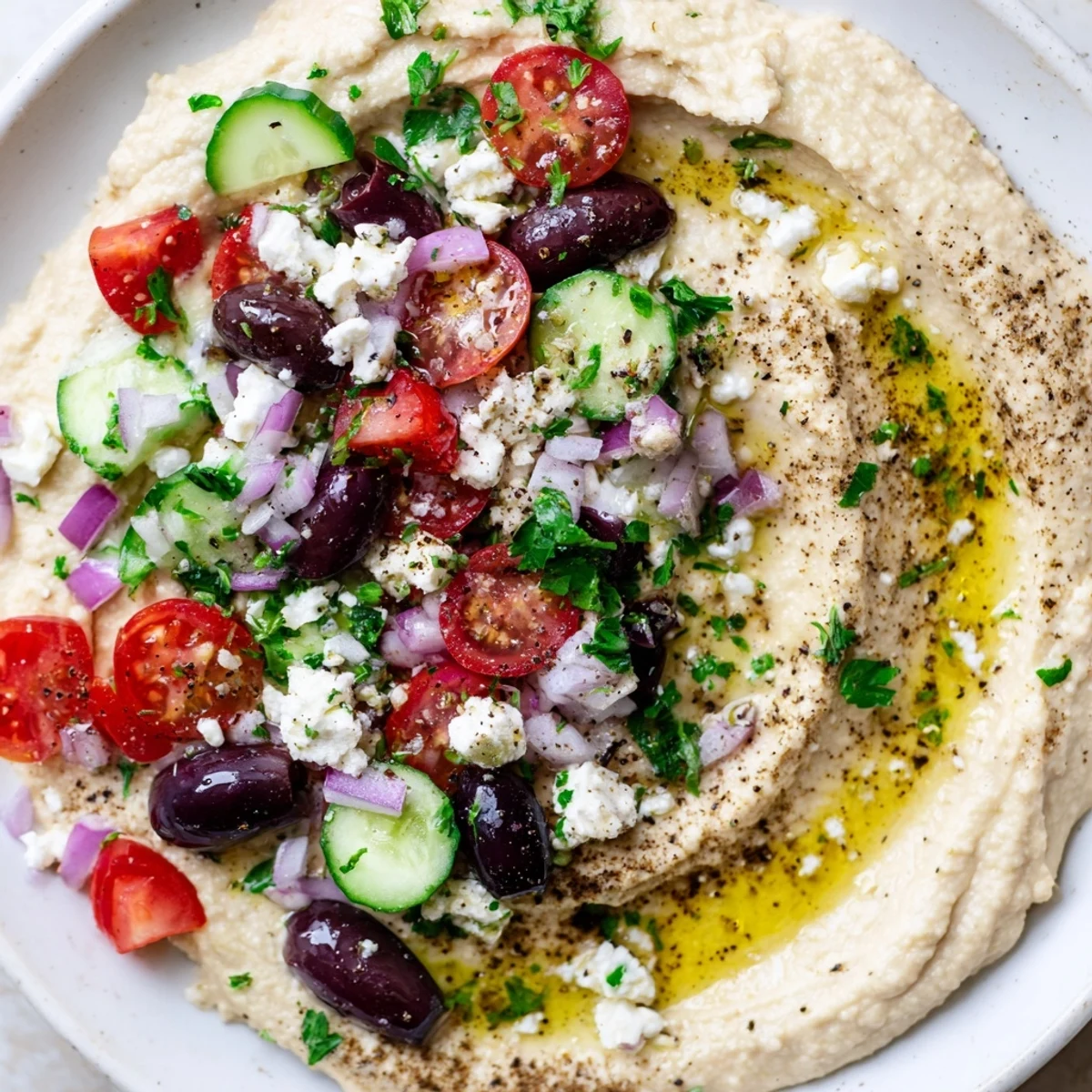
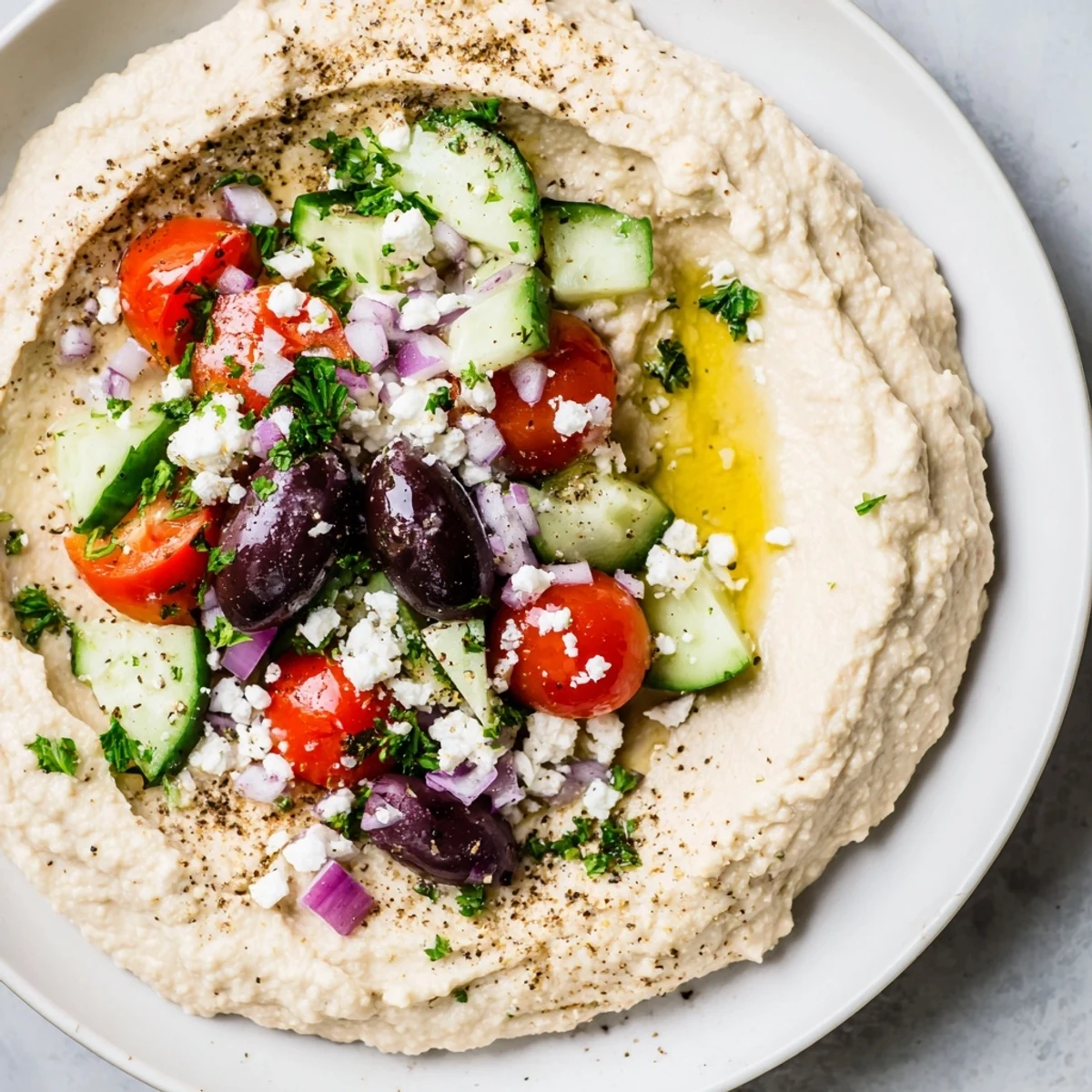
 This Mediterranean-inspired dip features a smooth, velvety chickpea base blended with tahini, lemon, and aromatic cumin. The hummus gets crowned with colorful cherry tomatoes, crisp cucumber, briny Kalamata olives, tangy crumbled feta, and a sprinkle of fresh parsley. Ready in just 15 minutes with no cooking required.
Each creamy bite delivers layers of texture and bright Mediterranean flavors. The finished dish makes an impressive centerpiece for gatherings, pairs beautifully with warm pita or vegetables, and transports well for potlucks.
The first time I brought this loaded hummus to a dinner party, my friend Maria actually stopped mid-conversation to stare at the platter. She couldn't believe I'd made it myself, and honestly, neither could I—it looked like something from a Mediterranean restaurant. Now it's my go-to whenever I need to impress without spending hours in the kitchen.
Last summer, I made this for my nephew who claims to hate everything healthy. He literally parked himself next to the bowl and ate three servings worth, asking me exactly what I put in that magical white stuff. Watching someone discover that wholesome food can be exciting never gets old.
Ingredients
- Chickpeas: The foundation of your hummus—rinsing them thoroughly removes any metallic taste from the can and ensures a pure, creamy flavor
- Tahini: This sesame paste creates that velvety texture, and I've found that stirring it well before measuring makes a huge difference
- Olive oil: Extra virgin adds a fruity richness that ties everything together while helping achieve that luxurious consistency
- Lemon juice: Fresh is absolutely non-negotiable here—bottled juice can make the hummus taste oddly acidic and flat
- Garlic: One small clove is perfect; any more and it'll overpower the delicate balance of flavors
- Cumin: Just a half-teaspoon adds that warm, earthy Mediterranean depth without making it taste like chili
- Salt: Enhances all the other flavors—start with half a teaspoon and adjust after tasting
- Cold water: The secret trick for ultra-creamy hummus that mousse-like texture restaurants achieve
- Cherry tomatoes: Their sweetness pops against the creamy base and adds beautiful bursts of color
- Cucumber: Provides a refreshing crunch and cool contrast that lightens each bite
- Kalamata olives: These briny, salty gems add authentic Greek flavor and gorgeous purple hues
- Feta cheese: Creamy, tangy, and salty—it's the crowning jewel that makes this feel truly indulgent
- Red onion: A little sharpness and crunch that cuts through the richness perfectly
- Fresh parsley: Not just garnish—it adds a bright, herbal freshness that wakes up the whole dish
Instructions
- Blend the base:
- Combine chickpeas, tahini, olive oil, lemon juice, garlic, cumin, salt, and 2 tablespoons water in your food processor. Let it run for a good 2-3 minutes, stopping to scrape down the sides—this patience is what makes it restaurant-smooth.
- Adjust the texture:
- Add water one tablespoon at a time until the hummus reaches that perfect, spreadable consistency you love. The longer you blend, the creamier it becomes—don't rush this step.
- Create the canvas:
- Transfer to your serving dish and use the back of a spoon to make swirls and wells. These little valleys will catch all those delicious toppings and drizzles, making every bite interesting.
- Pile on the toppings:
- Arrange tomatoes, cucumber, olives, feta, and onion across the hummus like you're creating edible art. Think about color distribution and bite-size pieces—this is where it becomes impressive.
- Finish with flair:
- Drizzle with olive oil, scatter parsley, add black pepper, and don't forget that smoked paprika or sumac if you want extra warmth and color.
 Pin It
 My neighbor texted me at 10 PM after trying this at my house, begging for the recipe because her husband wouldn't stop talking about it. There's something incredibly satisfying about turning simple pantry ingredients into something that creates those kinds of moments around the table.
Making It Your Own
Sometimes I swap the feta for crumbled goat cheese when I want something tangier, or add diced roasted red peppers for sweetness. The beauty is that the base hummus stays the same while the toppings can reflect whatever's fresh or whatever mood you're in.
Serving Suggestions That Work
I've learned that warm pita bread, cut into triangles and lightly toasted, is the perfect vessel for scooping up all those toppings. Fresh vegetables like bell peppers and carrot sticks also work beautifully and add even more color to the spread.
Make-Ahead Magic
The hummus base actually tastes better after a day in the fridge, giving the flavors time to meld and deepen. Just add the fresh toppings right before serving so they stay crisp and vibrant.
- Store the base and toppings separately in airtight containers
- Give the hummus a good stir before spreading—it firms up when chilled
- Bring to room temperature for 20 minutes before serving for the creamiest texture
 Pin It
 Whether you're feeding a crowd or just treating yourself on a Tuesday night, this dish reminds me that the best food is simple, fresh, and shared with people you love. Enjoy every bite.
Recipe FAQs
- → How long does homemade hummus last?
-
Store the plain hummus base in an airtight container in the refrigerator for up to one week. Add fresh toppings just before serving, as they can become soggy if stored overnight.
- → Can I make this hummus in advance?
-
Prepare the hummus base up to 3 days ahead and refrigerate. Chop vegetables and crumble feta separately, then assemble everything shortly before your gathering for optimal freshness and texture.
- → What should I serve with loaded hummus?
-
Warm pita bread, pita chips, fresh vegetable sticks like carrots and bell peppers, cucumber rounds, or crispy flatbreads all make excellent dippers for scooping up the creamy base and toppings.
- → How do I get the smoothest hummus texture?
-
Blend chickpeas with tahini and lemon juice first for a minute, scraping down sides before adding remaining ingredients. Using cold water helps achieve an ultra-smooth, creamy consistency.
- → Is this suitable for dietary restrictions?
-
The base is naturally vegetarian and gluten-free. For vegan diets, simply omit the feta or substitute with a plant-based alternative. Always verify tahini is processed in a gluten-free facility.