
 Pin It
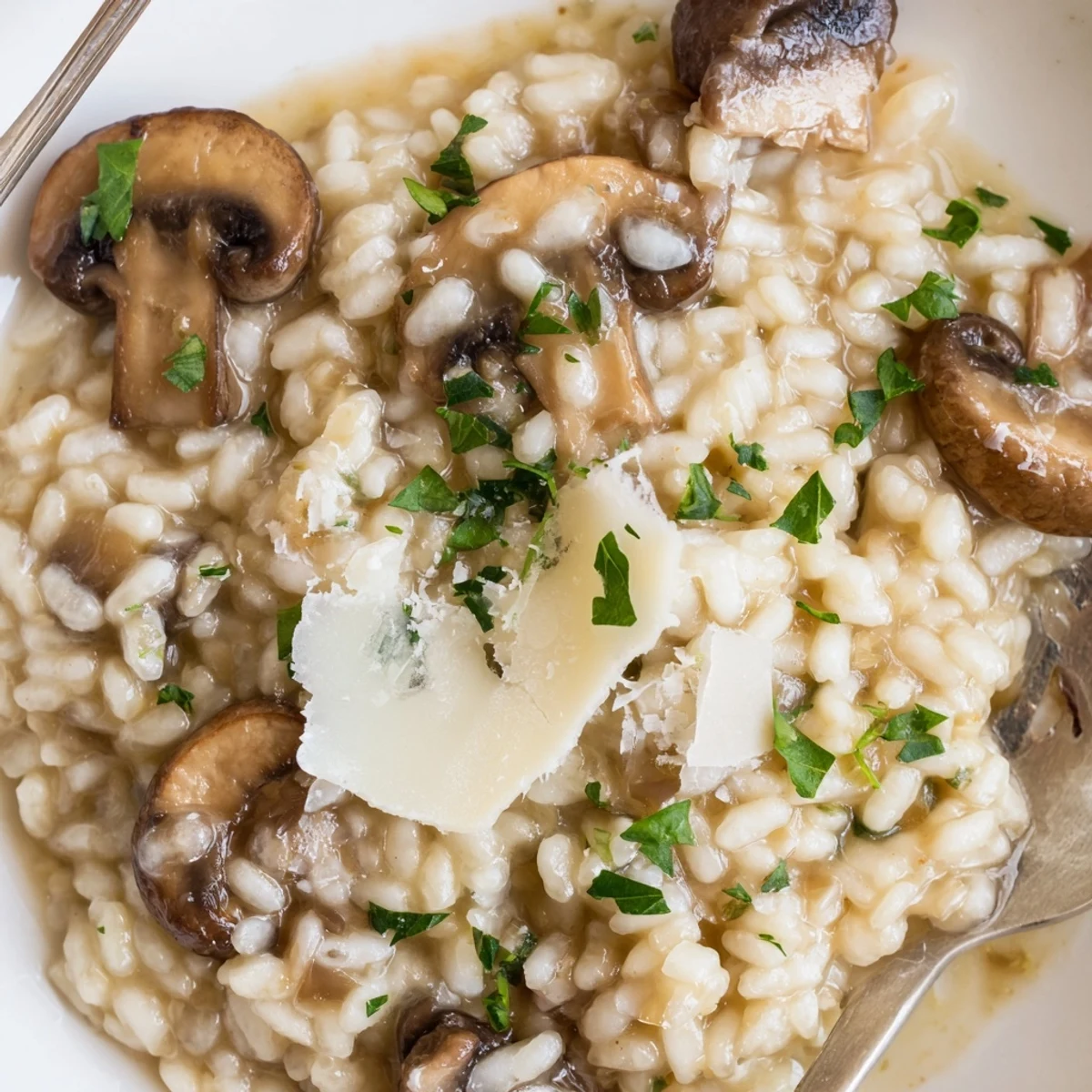
 This Italian classic features creamy Arborio rice cooked slowly with a medley of sautéed mushrooms and fragrant garlic. White wine adds depth while warm vegetable broth ensures perfect texture. Finished with Parmesan, butter, and a subtle drizzle of aromatic truffle oil, it balances richness and earthiness beautifully. Fresh parsley adds a touch of color and brightness. Ideal for a comforting yet elegant main course.
The first time I really understood risotto, I wasn't following a recipe at all—I was watching my neighbor stir a pot with such quiet focus that I had to ask what she was making. She turned to me with this knowing smile and said, "It's all about patience and listening to the rice." That dish changed everything for me. Now whenever I make creamy mushroom risotto, I find myself in that same meditative space, stirring slowly while the kitchen fills with the smell of butter and earthy mushrooms.
I made this for my partner on a rainy Tuesday when nothing felt quite right, and somehow the act of slowly building this creamy, luxurious dish turned the whole evening around. The risotto emerged golden and silky, and as we sat down to eat, the truffle oil released this incredible aroma that made everything feel intentional and warm. That's when I realized risotto isn't just food—it's about creating a moment.
Ingredients
- Arborio rice: This short-grain variety has a starchy core that creates creaminess without needing cream, though we add it anyway for luxury. Don't skip this or substitute with long-grain rice—it won't give you that signature silky texture.
- Vegetable broth: Keep it warm in a separate pot the entire time; cold broth will shock the rice and interrupt the cooking process. I learned this the hard way on my first attempt.
- Mixed mushrooms: Cremini, shiitake, and button mushrooms together create depth of flavor that one type alone simply can't match. Slice them all to roughly the same thickness so they cook evenly.
- Unsalted butter: Use good butter—it's in there twice, and it makes a noticeable difference in the final silkiness.
- Dry white wine: This adds brightness and acidity that balances the richness. A crisp Sauvignon Blanc or Pinot Grigio works beautifully both in the pot and in your glass.
- Parmesan cheese: Freshly grated, never the pre-shredded kind. It melts more smoothly and tastes infinitely better.
- Heavy cream: Just a quarter cup pushes this from creamy to luxurious, but it's not essential—risotto is naturally creamy on its own.
- Truffle oil: This is potent stuff. A little goes a long way, and adding it at the end preserves that delicate, intoxicating aroma rather than cooking it away.
Instructions
- Toast the base:
- Warm butter and olive oil in your largest skillet over medium heat until the butter melts and foams slightly. Add the finely chopped onion and let it soften for 2-3 minutes, stirring occasionally, until it becomes translucent and sweet-smelling.
- Build the flavor foundation:
- Stir in the minced garlic and cook for just 1 minute—you're looking for that moment when it becomes fragrant but not browned. This is where the dish's soul begins to develop.
- Sear the mushrooms:
- Add your sliced mushrooms and let them cook undisturbed for a minute or two before stirring. They'll release their moisture, and as you stir occasionally over 6-8 minutes, they'll transform from wet and pale to golden and caramelized, which is when their earthy richness becomes pronounced.
- Toast the rice:
- Stir the Arborio rice into the mushroom mixture and keep it moving for 1-2 minutes. You'll notice the grains transition from translucent to opaque—that's the signal you want to see, as it means the outer edge is sealed and will release starch gradually to create creaminess.
- Deglaze with wine:
- Pour in the dry white wine, stirring constantly, and let it bubble away into the rice. You'll know you're ready to move on when you can draw a spoon across the bottom of the pan and the rice stays separated for a moment before flowing back together.
- The patient stirring process:
- Add your warm broth one ladleful at a time, stirring frequently and waiting until most of the liquid has been absorbed before adding the next ladle. This takes about 20-25 minutes, and it's the secret to achieving that creamy, almost flowing texture—you're coaxing the starch out of the rice gradually rather than drowning it all at once. Taste a grain occasionally; it should be tender but still have a tiny bit of resistance in the center.
- Finish with richness:
- Lower the heat to medium-low and stir in the remaining butter, grated Parmesan, and heavy cream. Season generously with salt and pepper, tasting as you go, until the risotto tastes balanced and complete.
- The final flourish:
- Remove from heat and immediately drizzle with truffle oil while the risotto is still steaming—this preserves the truffle aroma. Scatter fresh parsley over the top and serve right away, while everything is hot and silky.
 Pin It
 There's a moment about halfway through stirring when you start to smell the Parmesan and butter dissolving into the rice, and you just know something wonderful is happening. That's the moment I understood why my neighbor stirred with such intention—this dish teaches you that some things can't be rushed, and that's beautiful.
Why Mushrooms Matter Here
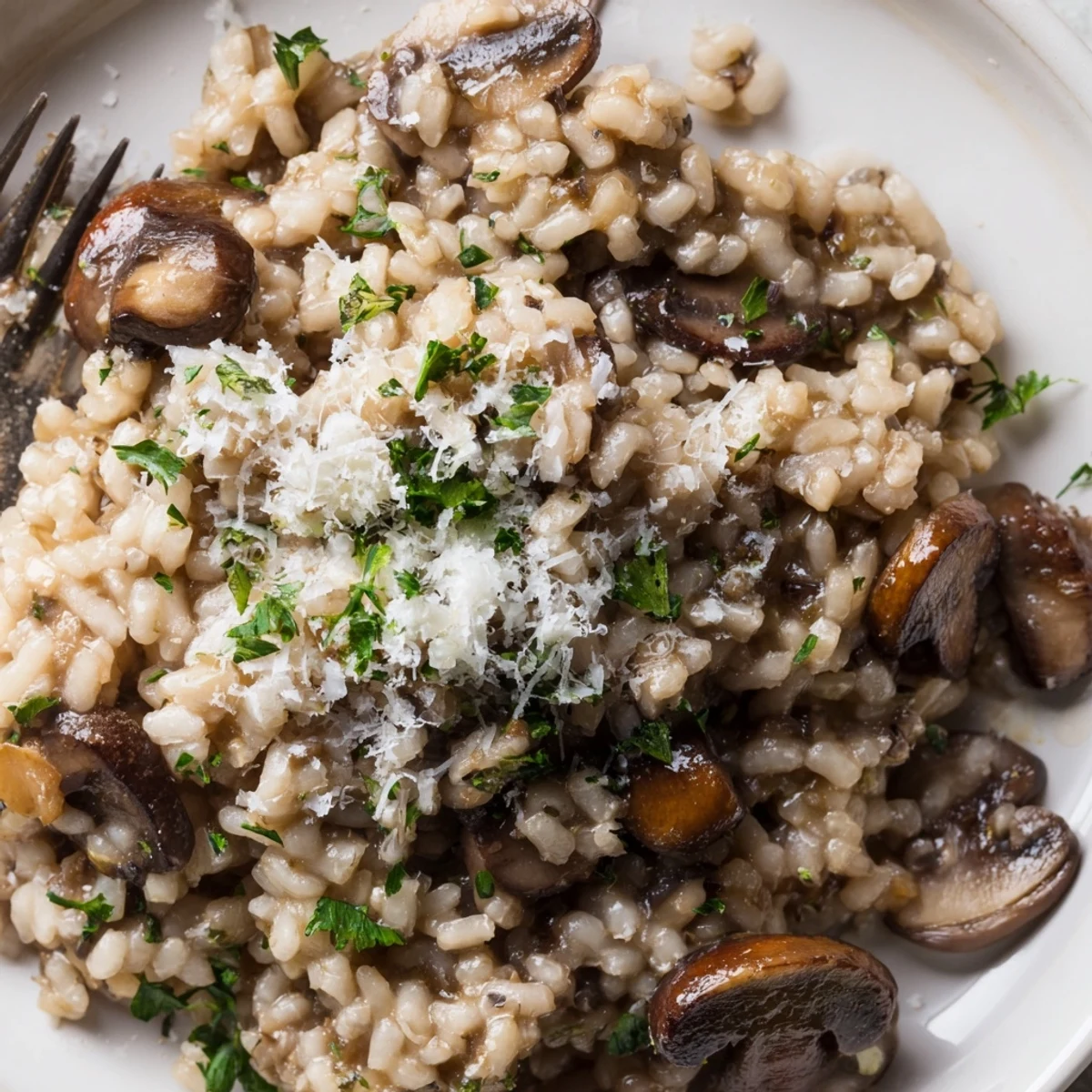
Mushrooms aren't just an ingredient in risotto; they're the entire personality of the dish. When you cook them slowly and let them brown properly, they release umami compounds that make the whole risotto taste deeper and more complex than the individual ingredients suggest. I used to think all mushrooms were basically the same until I started mixing cremini with shiitake and button—each one brings something different to the flavor profile, and together they create a savory foundation that even the truffle oil just enhances rather than dominates.
The Importance of Stirring
Stirring isn't just a technique here; it's the actual mechanism that creates creaminess. As you stir, the rice releases starch into the liquid, and that starch is what gives risotto its signature silky, flowing texture. It sounds almost meditative when you describe it this way, and honestly, it is—the rhythm of the spoon, the way the rice gradually transforms from individual grains to a cohesive, creamy mass, the way your kitchen smells as the butter and Parmesan melt in. This is why risotto takes time and why rushing it never works.
Variations and Pairings
This base risotto is versatile enough to adapt to whatever's in your kitchen or whatever mood you're in. You could add fresh thyme or rosemary while the mushrooms cook, swap the truffle oil for a good drizzle of aged balsamic, or even finish with shaved white truffle if you're feeling luxurious. For wine pairing, serve this alongside the same bottle you cooked with—a crisp white wine cuts through the richness beautifully and makes the whole meal feel intentional and complete.
- Finish with crispy sage leaves fried in butter instead of (or in addition to) the truffle oil for herbaceous brightness.
- For a lighter version, skip the cream and rely entirely on the rice's natural starch for creaminess.
- Leftover risotto makes an excellent risotto cake the next day when formed into patties, chilled, and then pan-fried until golden.
 Pin It
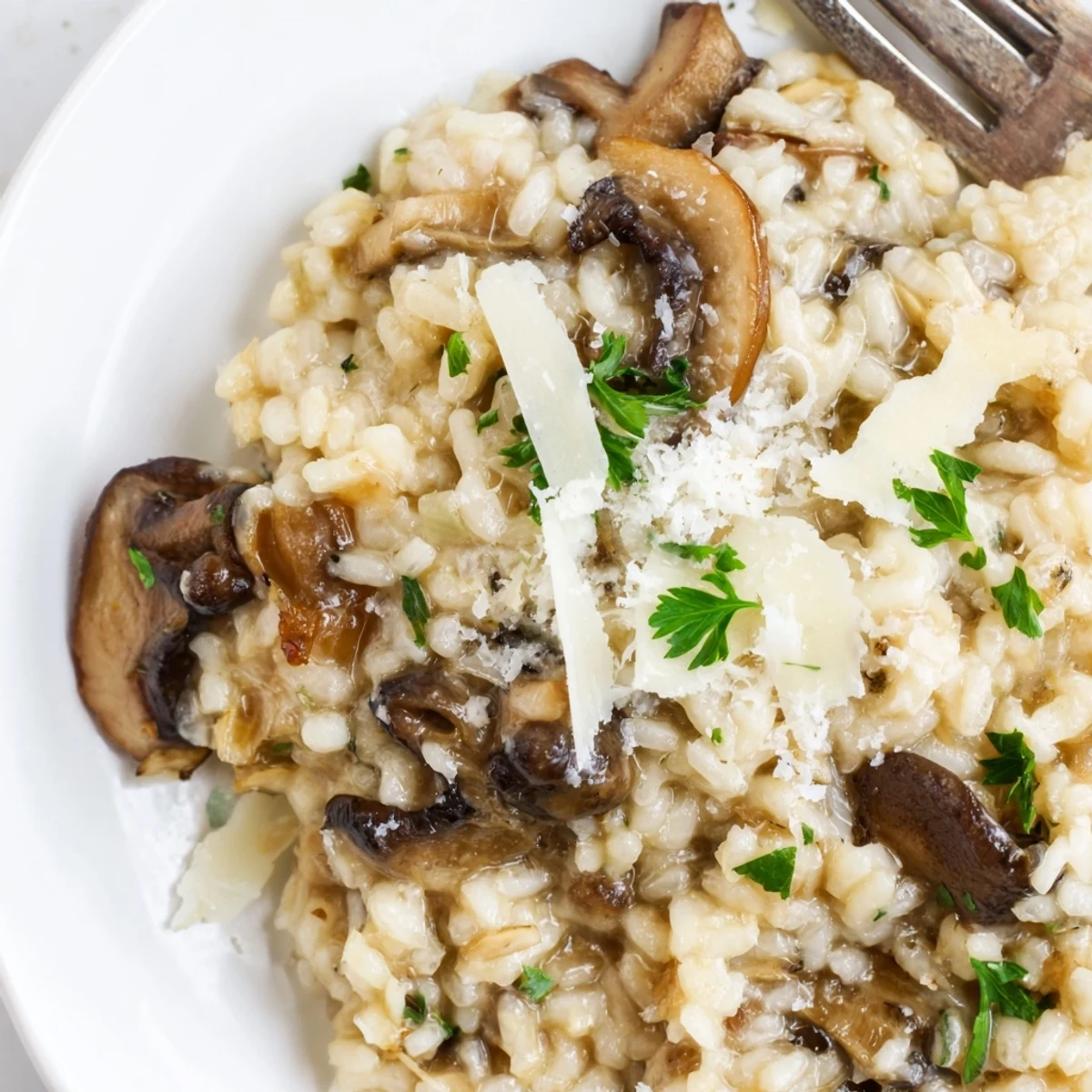
 This risotto taught me that the most elegant dishes are often the ones that require patience rather than complicated techniques. There's something deeply satisfying about building something creamy and luxurious through attention and care, one ladle of broth at a time.
Recipe FAQs
- → What type of mushrooms work best in this dish?
-
A mix of cremini, shiitake, and button mushrooms provides a rich earthy flavor and varied texture. Wild mushrooms can be added for extra depth.
- → How important is using Arborio rice for this preparation?
-
Arborio rice is essential due to its high starch content, which releases creamy texture while cooking, creating the dish's signature consistency.
- → Can vegetable broth be substituted with another liquid?
-
Vegetable broth enhances the flavor, but warm water or mushroom broth can be used if unavailable, though it may slightly alter the taste profile.
- → What is the role of white wine in the cooking process?
-
White wine adds acidity and depth to the dish, helping to balance the richness of the butter and cheese while enhancing overall flavor complexity.
- → How should truffle oil be used to avoid overpowering the dish?
-
Use truffle oil sparingly, drizzling it just before serving to complement the layers of flavor without overwhelming the delicate mushroom and rice base.