
 Pin It
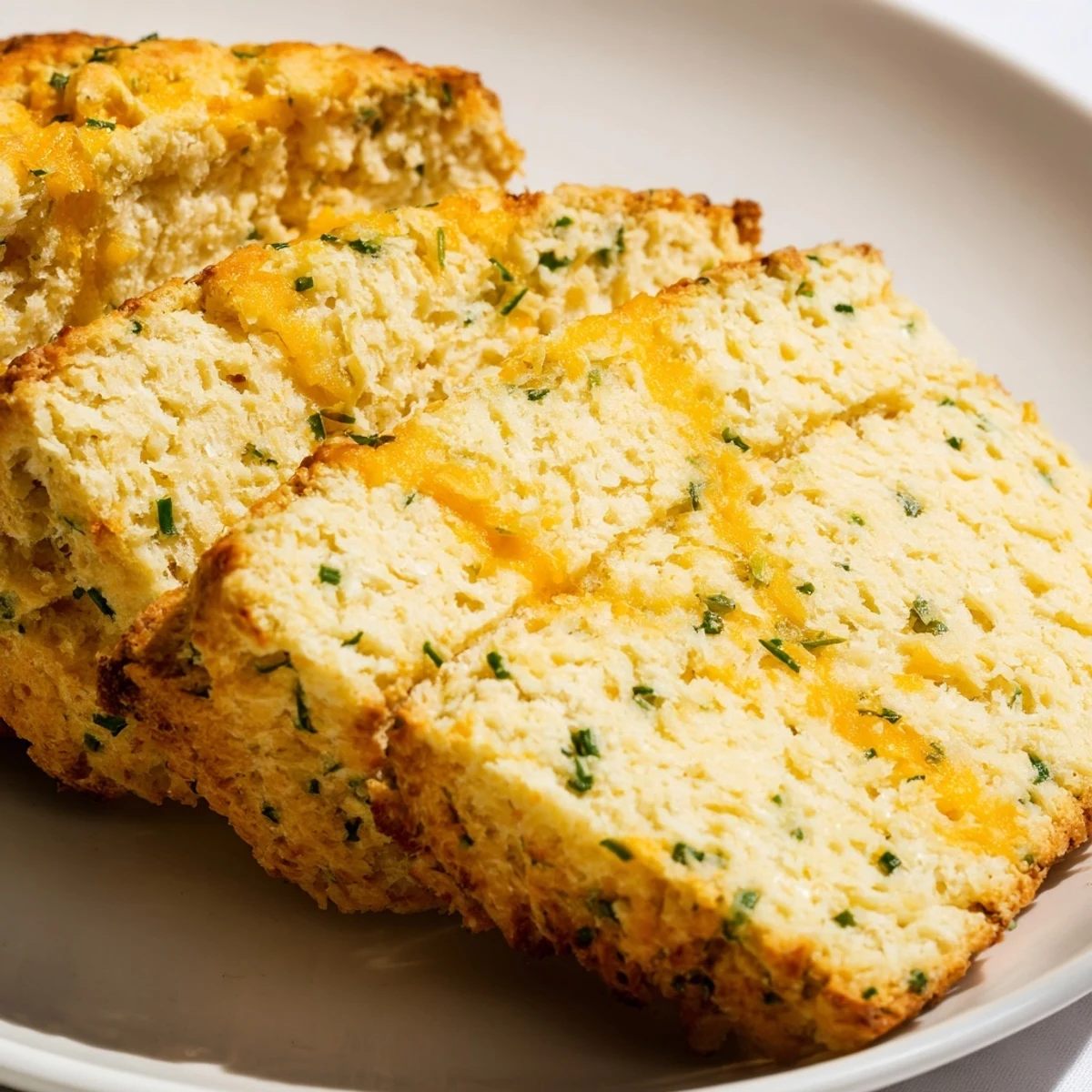
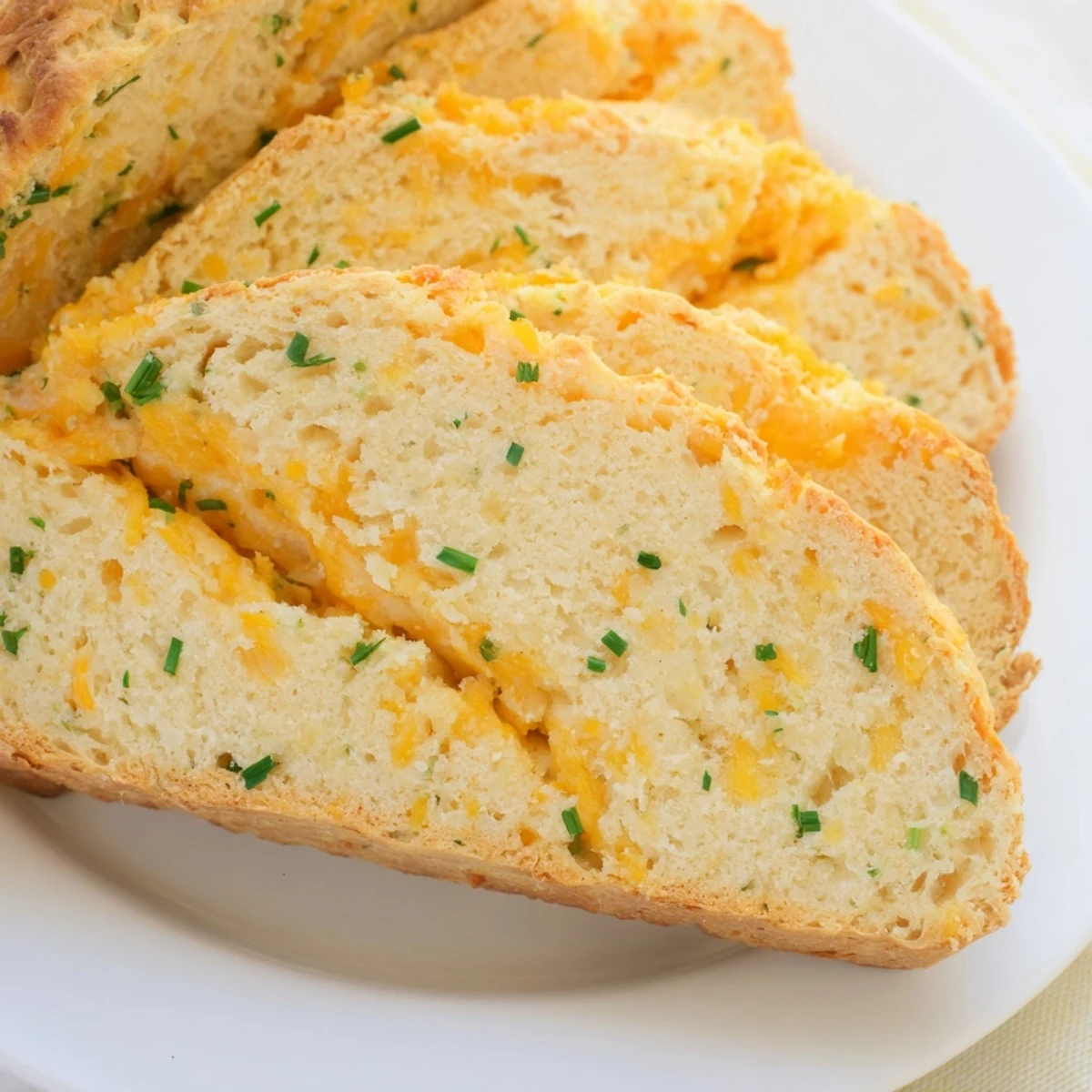
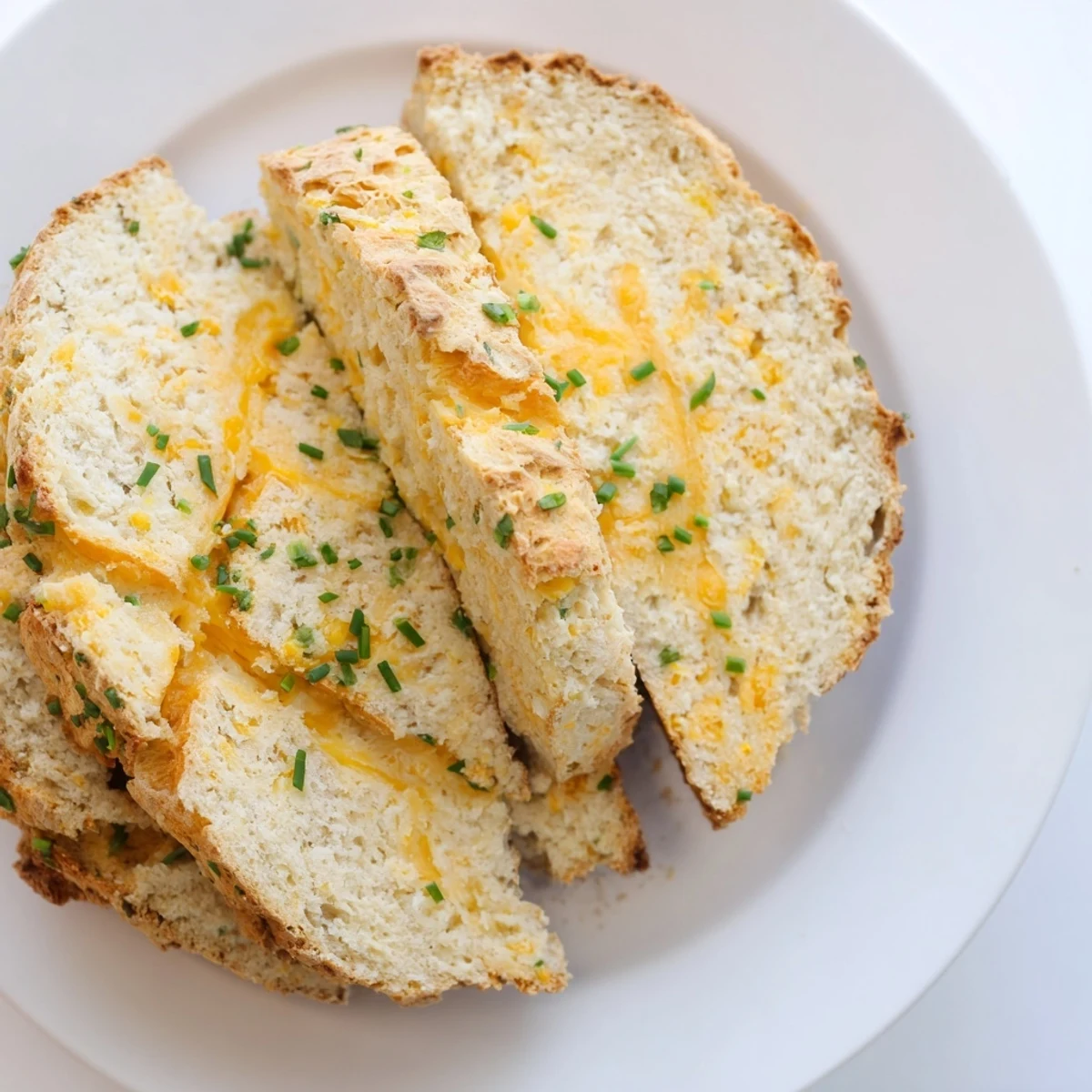
 This Irish soda bread blends sharp cheddar cheese and fresh chives into a quick, easy dough. The loaf bakes to a golden crust with a tender, cheesy crumb that pairs beautifully with butter, soups, or stews. Minimal kneading preserves a tender texture, while the buttermilk adds subtle tang. Perfect for a savory breakfast or hearty snack.
Preparation takes just 15 minutes, followed by about 35 minutes baking. Adding herbs or spices like thyme or cayenne can enhance flavor. A crusty, flavorful Irish classic that’s simple to make at home.
The first time I made soda bread, I stood over the mixing bowl with my grandmother, watching her pour buttermilk into flour with the confidence of someone who had done this a thousand times. She told me the secret was in not overthinking it, that soda bread was meant to be humble and forgiving, unlike the fussy yeast breads that required timing and patience. When I added cheddar and chives to her basic recipe years later, creating this savory version, I felt like I was finally understanding what she meant about letting bread be bread. Now it is the loaf I turn to when I need something warm and comforting on the table in under an hour.
Last winter, during a snowstorm that kept us housebound for days, I made this bread three times in one week. My kitchen filled with the smell of baking cheese and butter, pulling everyone from their corners of the house to stand around the oven, watching the crust turn golden through the glass door. We ate slice after slice, still steaming from the oven, with nothing but salted butter and mugs of hot soup, and it felt like the kind of meal that makes a memory all on its own.
Ingredients
- All-purpose flour: The foundation of the bread, providing structure and that characteristic tender crumb
- Baking soda: The leavening agent that reacts with buttermilk to create rise, giving soda bread its name
- Fine sea salt: Essential for flavor balance and enhancing the sharpness of the cheddar
- Freshly ground black pepper: Adds a gentle heat that complements the richness of the cheese
- Sharp cheddar cheese: The star ingredient that creates pockets of melted richness throughout the loaf
- Fresh chives: Bring mild onion flavor and bright green color that pairs beautifully with the cheddar
- Buttermilk: Provides acidity to activate the baking soda and creates a tender, moist crumb
- Unsalted butter: Adds richness and helps create a golden, crispy crust
Instructions
- Preheat your oven:
- Get your oven to 400°F (200°C) and line a baking sheet with parchment paper so nothing sticks.
- Mix the dry ingredients:
- In a large bowl, whisk together the flour, baking soda, salt, and pepper until everything is evenly combined.
- Add the cheese and herbs:
- Stir in the grated cheddar and chopped chives until they are distributed throughout the flour mixture.
- Combine wet and dry:
- Make a well in the center of the bowl and pour in the buttermilk and melted butter, mixing until a shaggy dough forms.
- Shape the loaf:
- Turn the dough onto a floured surface and gently bring it together, shaping it into a round about 7 inches across.
- Score the top:
- Transfer to your prepared baking sheet and use a sharp knife to cut a deep X across the top of the loaf.
- Bake until golden:
- Bake for 30 to 35 minutes until the crust is deeply golden and the bottom sounds hollow when tapped.
- Cool before slicing:
- Let the bread rest on a wire rack for at least 15 minutes so the crumb sets before you cut into it.
 Pin It
 This bread has become my go-to for bringing to friends who need comfort, because it travels well and tastes like home even when it is not your own. I have learned that people will forgive almost anything if you arrive with a warm loaf of cheesy soda bread and a pound of butter.
Getting the Right Consistency
The dough should be shaggy and slightly sticky, not smooth like yeast dough. If it feels too dry to come together, add buttermilk one tablespoon at a time, but remember that soda bread is meant to be a bit rustic and rough around the edges.
Choosing Your Cheese
Sharp cheddar gives the best flavor impact, but I have also made this with aged gouda and even a mixture of cheddar and parmesan. Grate it yourself rather than buying pre-shredded cheese, which contains anti-caking agents that can affect the texture.
Serving Suggestions
This bread is at its absolute best still warm from the oven, but it also toasts beautifully the next day. I love it alongside tomato soup or split and used as the base for a breakfast sandwich with a fried egg.
- Try adding a pinch of cayenne to the dry ingredients for subtle heat
- Swap chives for green onions or shallots when that is what you have
- Freeze extra loaves wrapped tightly in foil and thaw at room temperature
 Pin It
 There is something deeply satisfying about a bread that requires no proofing, no waiting, just mixing and baking and eating. That simplicity is what makes it perfect for Tuesday nights or unexpected guests or any moment when you need bread on the table fast.
Recipe FAQs
- → What makes Irish soda bread different?
-
Unlike yeast bread, it uses baking soda for leavening, resulting in a tender crumb and quick preparation.
- → Can I substitute chives with other herbs?
-
Yes, green onions or mild herbs like thyme add delicious variations without overpowering flavors.
- → How do I know when the bread is done baking?
-
The loaf should be deeply golden and sound hollow when tapped on the bottom.
- → What is the best way to serve this loaf?
-
Serve warm with butter or alongside hearty soups and stews to complement its savory profile.
- → Can the dough be overworked?
-
Minimal kneading is recommended to keep the bread tender and avoid a dense texture.