
 Pin It
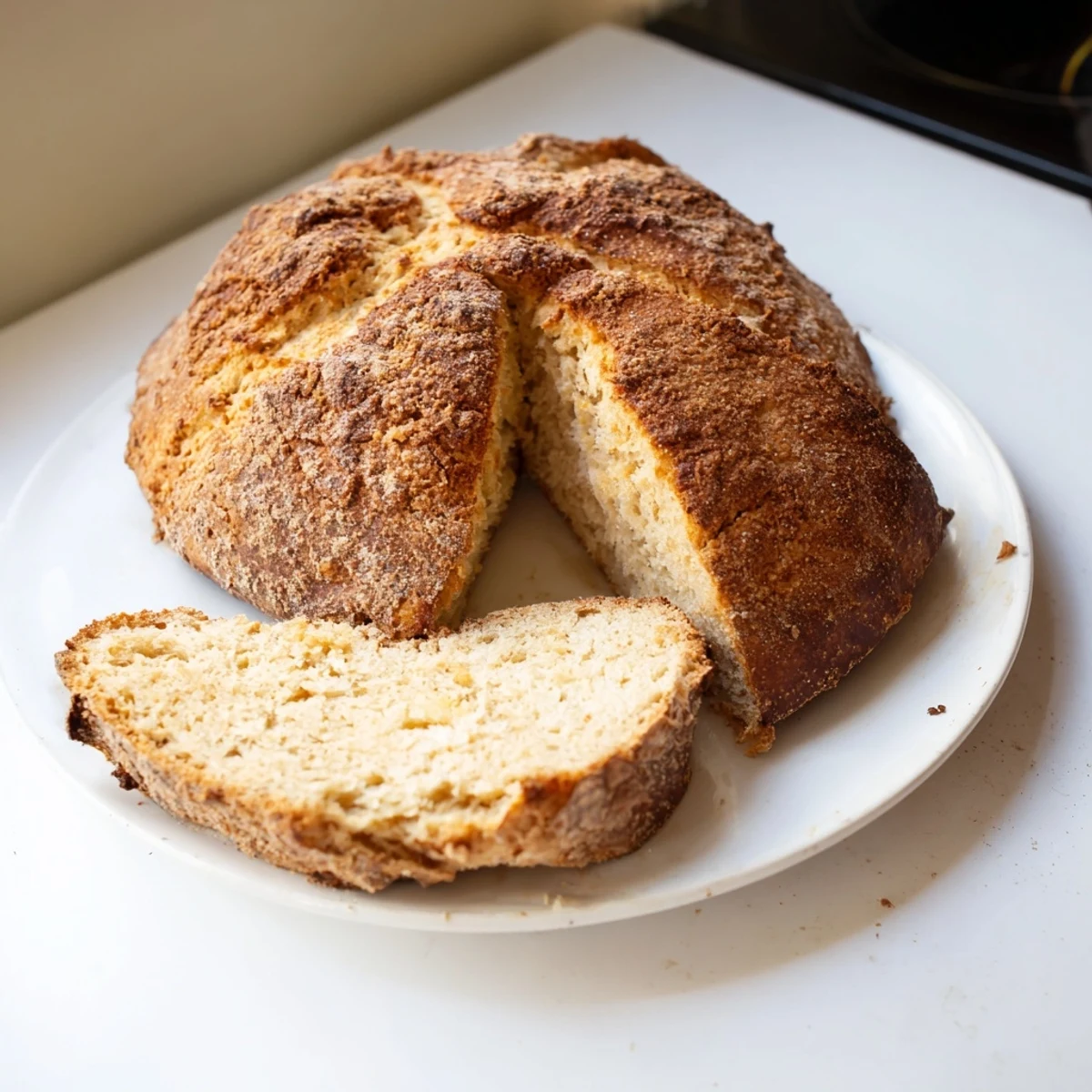
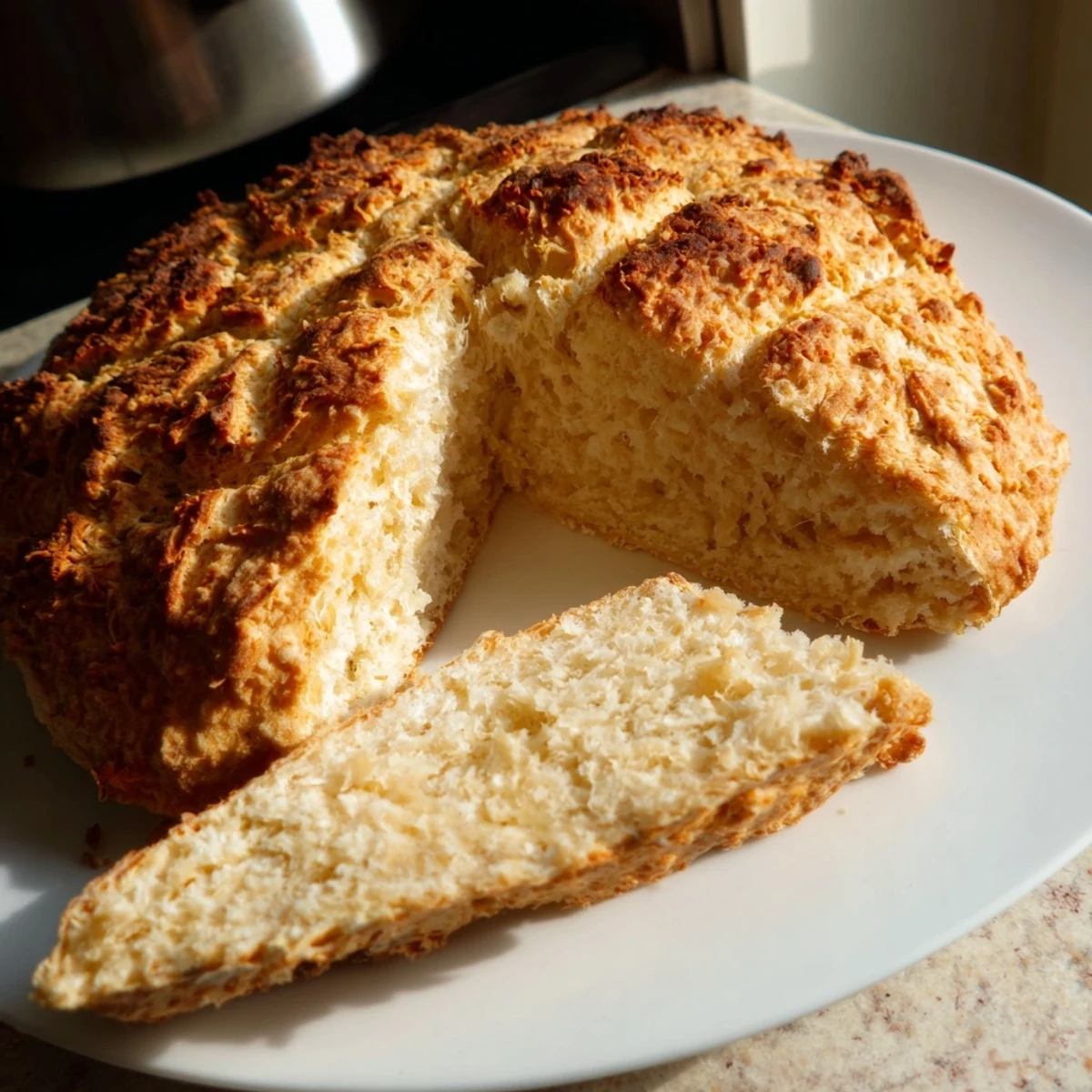
 This traditional loaf combines just four ingredients—flour, baking soda, salt, and buttermilk—for a rustic bread with a crisp crust and soft interior. The dough is gently mixed and shaped, then baked until golden brown. It pairs wonderfully with breakfast spreads or savory stews, offering a hearty, comforting addition to any table. Variations include using whole wheat flour or milk with lemon for buttermilk substitute, ensuring accessibility and versatile flavor.
The first time I made soda bread, I was running late for a St. Patrick's Day gathering and had zero time for yeast dough to rise. My grandmother had mentioned this Irish staple as the ultimate emergency bread, and ten minutes later I understood why generations have relied on it. The smell that filled my kitchen—wheaty, slightly tangy, impossibly cozy—made me forget all about my haste.
Last winter, during that snowstorm that kept us inside for three days straight, my sister and I made batch after batch of this bread. We ate it warm with butter while watching the flakes pile up, and something about its rustic simplicity made those gray afternoon feel positively hygge.
Ingredients
- 4 cups all-purpose flour: The foundation of that perfect crumb structure you want in soda bread
- 1 teaspoon baking soda: This is your leavening agent, reacting with buttermilk to create rise
- 1 teaspoon fine sea salt: Enhances flavor and helps balance the tanginess
- 1 3/4 cups buttermilk: The acidity activates the baking soda while creating tenderness
Instructions
- Preheat and prep your baking surface:
- Heat your oven to 425°F and line a baking sheet with parchment paper or dust it lightly with flour
- Combine your dry ingredients:
- Whisk together flour, baking soda, and salt in a large bowl until everything is evenly distributed
- Create the well and add buttermilk:
- Make a shallow depression in the center of your flour mixture and pour in the buttermilk
- Gently bring the dough together:
- Stir with a wooden spoon until a shaggy, sticky dough forms, then turn onto a floured surface and barely knead—just enough to gather it into a cohesive mass
- Shape your loaf:
- Form the dough into a round, slightly flattened disc about two inches thick and transfer to your prepared baking sheet
- Score the traditional cross:
- Use a sharp knife to cut a deep X across the top of the loaf, about half an inch deep
- Bake until golden and hollow:
- Bake for 30 to 35 minutes until the crust is golden brown and the bottom sounds hollow when tapped
- Cool before slicing:
- Transfer the loaf to a wire rack and let it rest for at least 30 minutes—this is the hardest part but essential for the crumb to set
 Pin It
 My friend from Cork taught me that soda bread was traditionally baked daily in Irish cottages, fresh each morning. Now whenever I make it, I think about all those home bakers over generations, standing before their hearths with the same four ingredients.
Making It Your Own
Half whole wheat flour adds nuttiness and texture, while a handful of raisins or currants transforms it into a festive treat. I once threw in some chopped fresh rosemary on impulse and discovered an entirely new favorite variation.
The Buttermilk Trick
If you cannot find buttermilk, stir one and a half tablespoons of lemon juice or white vinegar into regular milk and let it sit for five minutes. The acid creates the same chemical reaction that makes this bread rise so beautifully.
Serving Suggestions
This bread wants to be eaten warm, slathered with salted butter that melts into all those little crevices. At breakfast, pair it with jam and a cup of tea, or serve it alongside hearty stews where it can soak up every drop of broth.
- Wrap leftovers in a clean kitchen towel to keep the crust from getting too hard
- Day-old soda bread makes exceptional toast, almost better than fresh
- Freeze sliced portions for busy weekday mornings
 Pin It
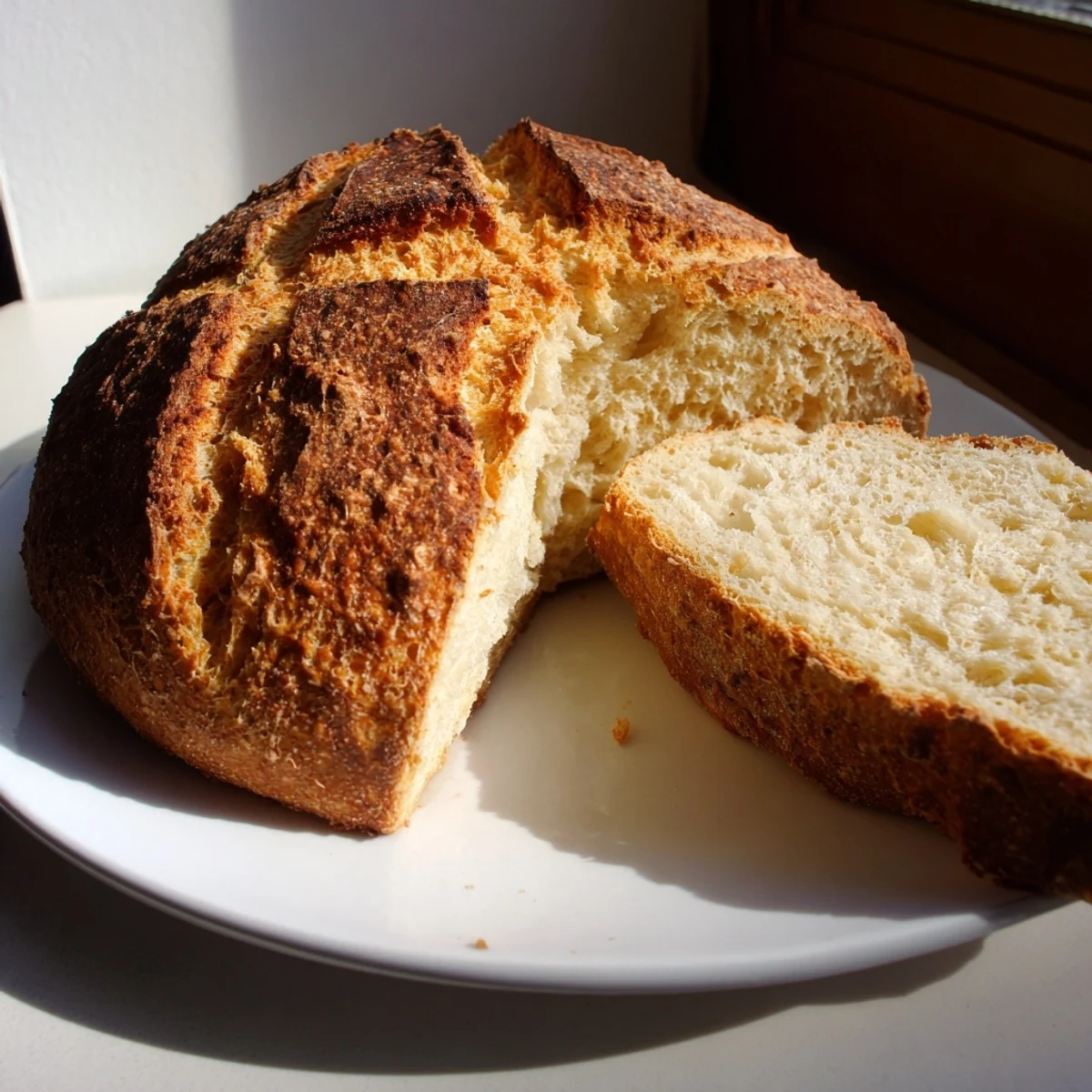
 There is something profoundly satisfying about making real bread from scratch in less than an hour, no special equipment required.
Recipe FAQs
- → What makes Irish soda bread different from traditional bread?
-
Irish soda bread relies on baking soda as a leavening agent instead of yeast, which gives it a distinct texture and quick preparation time.
- → Can buttermilk be substituted in this dish?
-
Yes, replacing buttermilk with milk mixed with lemon juice or vinegar works well to mimic the acidity needed for proper rising.
- → Why is the dough only gently mixed and not kneaded extensively?
-
Light mixing prevents overworking gluten, resulting in a tender crumb rather than a chewy texture.
- → How do you know when the bread is fully baked?
-
The crust should be golden brown and the loaf will sound hollow when tapped underneath.
- → Can whole wheat flour be used in this loaf?
-
Substituting half the flour with whole wheat adds a richer flavor and denser texture without impacting rise significantly.